
Orange Vinaigrette
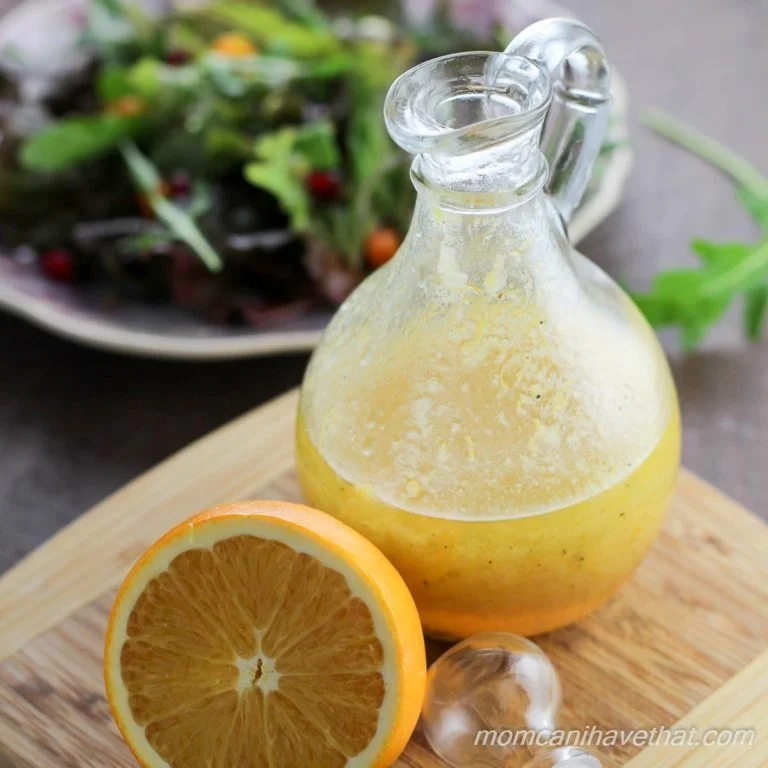
This bright orange vinaigrette pairs fresh citrus with champagne vinegar and two olive oils for a light, pourable dressing. Make it for delicate lettuces or crisp summer salads, then let the flavours develop in the fridge.
Ingredients
- 120 ml (1/2 cup)fresh orange juice
- 15 ml (1 tablespoon)lemon juice
- 45 ml (3 tablespoons)champagne vinegar
- 60 ml (1/4 cup)extra virgin olive oil
- 60 ml (1/4 cup)light-tasting olive oil or salad oil
- 15 ml (1 tablespoon)minced shallot
- 5 ml (1 teaspoon), plus at least 5 ml (1 teaspoon) reservedorange zest
- 1.25 ml (1/4 teaspoon)dried thyme
- A pinchsalt
- A pinchpepper
Instructions
- 1
Reduce the juice
Zest the orange or oranges. Measure 120 ml (1/2 cup) orange juice into a small saucepan and bring it to the boil. Lower the heat to a strong simmer and reduce the juice by half, then pour it into a bowl with a capacity of at least 700 ml (3 cups).
- 2
Whisk the dressing
While the juice reduces, mince the shallot. Add the remaining ingredients to the bowl and whisk to combine.
- 3
Taste and adjust
Taste the dressing. Add a little more reserved zest for stronger orange flavour, more lemon juice for acidity, or more salt if it tastes flat. If it tastes too sharp, whisk in 15 ml (1 tablespoon) water. Refrigerate; the flavours improve overnight.
What is orange vinaigrette?
Vinaigrette is a French-style oil-and-acid dressing, though this orange-forward version is suited to the fresh, summery salads often associated with American cooking. Orange juice and zest bring a fragrant sweetness, while lemon juice and champagne vinegar keep the flavour lively.
Reducing the juice concentrates its citrus flavour before it meets the oils. The two oils let the extra virgin olive oil contribute character while the lighter oil keeps the dressing from tasting too strongly of olive.
Nutrition and macros by portion
The nutrition label shows one serving as written: 129 calories, 0g protein, 2g carbs, 14g fat.
| Portion | Adjustment | kcal | Protein | Carbs | Fat |
|---|---|---|---|---|---|
| Lighter | Use less dressing | 90 kcal | 0g | 1g | 9g |
| This serving | As written | 129 kcal | 0g | 2g | 14g |
| Hungry | Larger salad portion | 194 kcal | 0g | 3g | 20g |
The olive oils provide most of this dressing’s fat, while the orange juice contributes most of its carbohydrates; it contains very little protein. Use it to dress a generous bowl of salad and add a protein-rich accompaniment, such as beans or grilled chicken, to make the plate more balanced.
Why reduce the orange juice?
Reduced juice has a more concentrated flavour and less water than freshly squeezed juice alone. Bring it to a boil, then maintain a strong simmer until its volume is about half of what you started with.
Keep an eye on the pan as it reduces. The juice should remain liquid rather than cook down to a syrup or catch on the bottom.
Choosing the citrus
Orange juice: Fresh juice gives the dressing its main citrus flavour. Measure it before reducing so the starting quantity is consistent.
Zest and lemon: Zest adds fragrant orange oils, while lemon juice supplies a sharper note. Add extra zest or lemon a little at a time when adjusting the finished dressing.
Getting the texture right
Oil and juice may separate as the dressing stands, so whisk them together just before serving. The shallot and thyme add small flecks throughout rather than making a completely smooth dressing.
If the flavour feels overly sharp, whisk in the specified tablespoon of water. Taste again before adding any more salt, lemon or zest.
Allow time for the flavours
The active preparation takes about 15 minutes, including reducing the juice. The dressing can be used straight away, but its flavours improve after an overnight rest in the refrigerator.
If you make it ahead, give it a thorough whisk before pouring, as the oil can separate during chilling.
Serving ideas
Its light citrus flavour suits delicate lettuces and crisp summer salads. Toss with leaves shortly before serving so they stay fresh and crisp.
A serving is 30 ml (2 tablespoons), and the batch makes about 240 ml (1 cup). Add the dressing gradually to a salad, then toss and taste before adding more.
Recipe notes & tips
- Measure the orange juice before reducing it.
- Use a bowl with at least a 700 ml (3-cup) capacity so there is room to whisk.
- Add reserved zest gradually, tasting as you go.
- Whisk the dressing again just before serving if the oil has separated.
- Dress delicate leaves shortly before the meal.
Variations
- More citrus: Add a little extra reserved orange zest for a stronger orange aroma.
- More tartness: Whisk in a little additional lemon juice to sharpen the flavour.
- Milder oil: Use salad oil in place of the light-tasting olive oil.
- Herb change: Replace the dried thyme with another dried herb to alter the savoury note.
- Looser dressing: Whisk in the specified tablespoon of water if the dressing tastes too sharp.
Common mistakes to avoid
- Skipping the reduction: Simmer the measured juice until it is reduced by half so its orange flavour is concentrated.
- Reducing too far: Watch the pan and stop while the juice is still liquid.
- Adding all the extra zest: Stir it in a little at a time and taste before adding more.
- Overcorrecting the acidity: Add lemon juice in small amounts, tasting between additions.
- Serving without whisking: Recombine the oil and juice with a whisk just before pouring.
How to store
Refrigerate the dressing in a covered container; its flavour improves overnight. Whisk it again before serving, as the oil may separate while chilled.
Frequently asked questions
How much dressing does this recipe make?
It makes about 240 ml (1 cup), enough for eight servings of 30 ml (2 tablespoons) each.
Can I make it ahead?
Yes. Refrigerate it after mixing; the flavours improve overnight. Whisk it again before serving.
What if the dressing tastes too sharp?
Whisk in 15 ml (1 tablespoon) of water, as directed, and taste again.
How can I make the orange flavour stronger?
Add a little of the reserved orange zest, tasting as you go.
What salads work well with this dressing?
It is especially suited to delicate lettuces and crisp summer salads.
Cook it from the original
This recipe comes from lowcarbmaven.com. Their page has the author’s own photos, notes and tips — the best place to cook it from.
Open the recipe on lowcarbmaven.com