
The Taro Steamed Spare Ribs My Dad's Made 100,000 Times
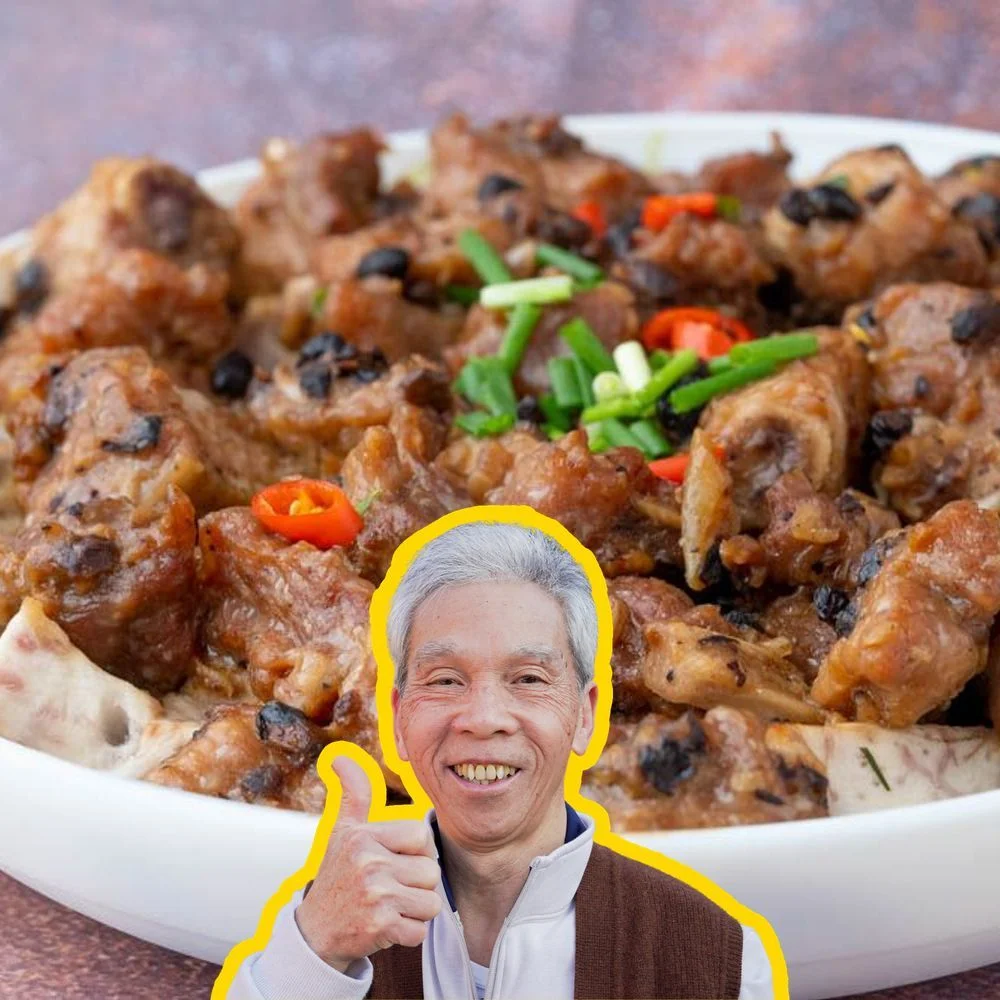
Taro steamed spare ribs pair tender pork with soft, starchy taro and the savoury depth of fermented black beans. It is a Chinese home-style dish to make when you want a comforting steamed centrepiece with plenty of flavour in one serving dish.
Ingredients
- 454 g (1 lb)spare ribs
- 454 g (1 lb)taro
- 14 g (0.5 oz)dried fermented black beans
- 1 piecerehydrated dried mandarin peel
- 2 stalksspring onions
- 1 sliceginger
- 2 clovesgarlic
- 1red chilli pepper
- 30 ml (2 tbsp)cornflour
- 2.5 ml (0.5 tsp)salt
- 5 ml (1 tsp)sugar
- 15 ml (1 tbsp)oyster sauce
- 15 ml (1 tbsp)light soy sauce
- 2.5 ml (0.5 tsp)dark soy sauce
- 5 ml (1 tsp)bicarbonate of soda
- 15 ml (1 tbsp)cooking wine
- 30 ml (2 tbsp)water
- 1.25 ml (0.25 tsp)white pepper
- 5 ml (1 tsp)sesame oil
- 15 ml (1 tbsp)light soy sauce
- 15 ml (1 tbsp)vegetable oil
Instructions
- 1
Soak the beans
Rinse the dried fermented black beans three times, then leave them in water for at least 5 minutes to rehydrate. Warm water can help them absorb water.
- 2
Prepare the ribs
Make a small cut at one end between the tough white membrane and the meat. Grip the membrane and pull it away from the ribs.
- 3
Mix the marinade
In a separate bowl, combine the cornflour, salt, sugar, oyster sauce, 1 tbsp light soy sauce, dark soy sauce, bicarbonate of soda, cooking wine, water and white pepper.
- 4
Cut the taro
Carefully score the taro around the slice you want to cut. Once the knife has a path to follow, chop down into the taro to split the slice off.
- 5
Chop the garnish
Dice the spring onions and red chilli pepper, then set them aside.
- 6
Mix in beans
Take half of the rehydrated fermented black beans and crush them with the back of a spoon. Mix the crushed beans into the ribs.
- 7
Check and serve
The taro is cooked when a chopstick pierces it easily, like a baked potato. Turn off the heat and carefully remove the dish from the pan, taking care with the hot steam.
What are taro steamed spare ribs?
This Chinese steamed dish brings pork ribs and taro together, with fermented black beans adding a savoury, salty note. Steaming lets the ingredients cook gently in the same dish.
Here, a seasoned marinade and crushed black beans are intended to flavour the ribs, while the taro becomes soft enough to pierce easily. The recipe description credits a Chinese chef with more than 60 years of experience.
Nutrition and macros by portion
The nutrition label shows one serving as written: 530 calories, 22g protein, 53g carbs, 24g fat.
| Portion | Adjustment | kcal | Protein | Carbs | Fat |
|---|---|---|---|---|---|
| Lighter | More greens, less taro | 371 kcal | 15g | 37g | 17g |
| This serving | As written | 530 kcal | 22g | 53g | 24g |
| Hungry | Add extra steamed rice | 795 kcal | 33g | 80g | 36g |
The taro and cornflour provide most of the carbohydrates, while the spare ribs contribute protein and much of the fat. The sauces and fermented black beans account for much of the salt. Serve a moderate portion with plain rice and a generous side of vegetables to make a balanced plate.
The flavouring ingredients
Black beans: Rinsing and briefly soaking dried fermented beans softens them. Crushing half of them helps distribute their concentrated flavour through the ribs.
Marinade: Oyster sauce, light and dark soy sauces, cooking wine, sugar and white pepper build a balance of savoury, sweet and peppery flavours. The bicarbonate of soda is included in the marinade, so measure it carefully.
Preparing the ribs
Membrane: The method calls for removing the tough white membrane before marinating. Starting with a small cut gives you an edge to grip and pull away.
Even pieces: If the ribs are not already cut into individual portions, ask a butcher to separate them or use a suitable cleaver. More evenly sized pieces are easier to arrange and cook consistently.
Handling the taro
Cutting: Taro can be firm, so score the intended cut before chopping down through it, as the method describes. Use a stable board and keep your fingers clear of the blade.
Doneness: A chopstick should pass through the taro with little resistance. If it still feels firm, continue steaming until tender; the source method does not specify a steaming time.
Steaming and serving
Steam: Arrange the ribs and taro in a heatproof dish that fits inside your steamer, leaving room for steam to circulate. The supplied method does not give a temperature or a steaming duration, so use the doneness cue rather than relying on a fixed time.
Finish: The method says to dice the spring onions and chilli, but does not state when to add them or describe the plating. They can be kept ready as garnishes if desired.
What to serve alongside
Rice: Plain steamed rice is a natural accompaniment for the savoury juices and soft taro. Keep the rice simply seasoned so it does not compete with the beans and sauces.
Vegetables: Add a side of steamed greens or another lightly cooked vegetable for freshness and contrast. Serve the ribs and taro hot, taking care when handling the dish.
Recipe notes & tips
- Rinse the fermented black beans three times as directed to remove loose surface residue.
- Warm water can help the dried beans rehydrate during their 5-minute soak.
- Prepare the marinade in a separate bowl before combining it with the ribs.
- Use a stable chopping board when cutting the firm taro.
- Check the taro with a chopstick and continue steaming if it is still firm.
- Lift the hot dish carefully and keep your hands clear of escaping steam.
Variations
- More chilli: Add extra fresh chilli at the table for a hotter finish.
- Less heat: Leave out the red chilli if you prefer a milder dish.
- Extra greens: Serve with steamed greens for a fresher contrast.
- Rice pairing: Add plain steamed rice to catch the savoury juices.
- Mandarin aroma: Include the rehydrated mandarin peel with the ingredients if you want its citrus fragrance in the dish.
Common mistakes to avoid
- Skipping the rinse: Unrinsed beans can leave loose residue; rinse them three times as directed.
- Leaving the membrane on: The ribs may be tougher; lift an edge with a small cut and pull it away.
- Guessing taro doneness: A browned or softened surface is not enough; check that a chopstick pierces it easily.
- Cutting without scoring: The knife can slip on firm taro; score the cut first and use a stable board.
- Handling the dish too soon: Steam can burn; turn off the heat and lift the dish carefully.
How to store
Refrigerate leftovers in a covered container within 2 hours and use within 3 days. Reheat until piping hot throughout, preferably in a steamer or covered dish with a little water to limit drying.
Frequently asked questions
How do I know when the taro is cooked?
Pierce it with a chopstick. It is ready when the chopstick goes through easily, like it would with a baked potato.
Can I use fresh black beans instead?
The recipe specifies dried fermented black beans, which are rinsed, soaked and partly crushed. Fresh beans will not give the same salty, fermented flavour.
Why does the marinade contain bicarbonate of soda?
The recipe includes it as part of the rib marinade to help tenderise the meat. Measure the stated 1 tsp rather than adding extra.
How long should I steam the dish?
The supplied method does not give a steaming duration. Check the taro with a chopstick and continue cooking until it pierces easily.
Can I prepare the ingredients ahead?
You can rinse and soak the beans and chop the spring onions and chilli ahead. Keep prepared ingredients covered and refrigerated until needed.
Cook it from the original
This recipe comes from madewithlau.com. Their page has the author’s own photos, notes and tips — the best place to cook it from.
Open the recipe on madewithlau.com