
The Beef Lo Mein My Dad's Made 100,000 Times
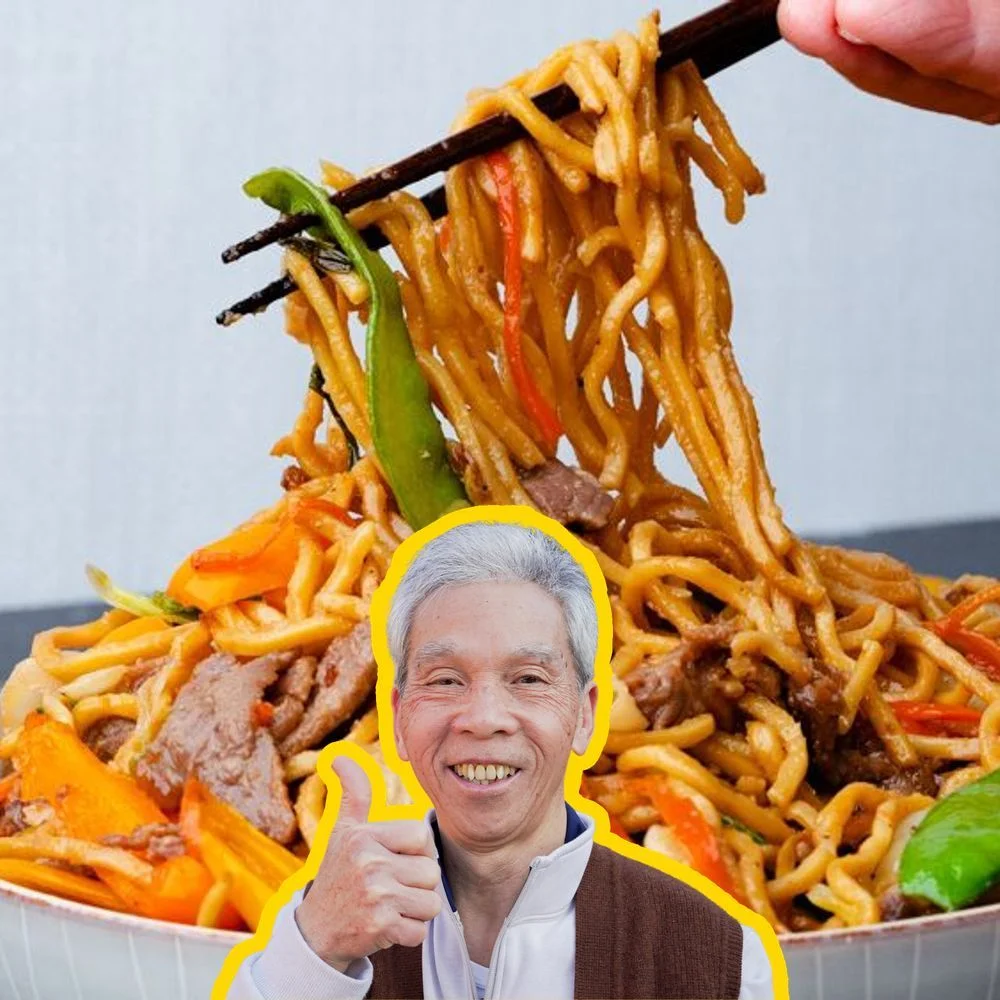
Beef lo mein combines noodles, beef and crisp vegetables in a savoury soy-based sauce. This version is a quick wok-cooked meal, with napa cabbage stems and leaves prepared separately so they can cook at their different rates.
Ingredients
- 454 g (1 lb)lo mein noodles
- 227 g (0.5 lb)beef
- 170 g (6 oz)napa cabbage
- 57 g (2 oz)mini sweet pepper
- 57 g (2 oz)snow peas
- 4 stalksspring onions
- 57 g (2 oz)carrot
- 2 clovesgarlic
- 15 ml (1 tbsp)light soy sauce
- 15 ml (1 tbsp)oyster sauce
- 1.25 ml (0.25 tsp)white pepper
- 30 ml (2 tbsp)cornflour
- 2.5 ml (0.5 tsp)sugar
- 30 ml (2 tbsp)water
- 15 ml (1 tbsp)oil
- 22.5 ml (1.5 tbsp)light soy sauce
- 30 ml (2 tbsp)oyster sauce
- 15 ml (1 tbsp)dark soy sauce
- 1.25 ml (0.25 tsp)white pepper
- 2.5 ml (0.5 tsp)cornflour
- 30 ml (2 tbsp)water
- 15 ml (1 tbsp)sugar
- 1.9 litres (8 cups)water
- 45 ml (3 tbsp)oil
- 7.5 ml (0.5 tbsp)light soy sauce
- 5 ml (1 tsp)sesame oil
Instructions
- 1
Prepare vegetables
Separate the thick stems from the thinner leaves of each napa cabbage piece, as they need different cooking times. Cut the stem away using two angled cuts to make an inverted V.
- 2
Prepare beef
Partially freeze the beef before cutting if helpful: it should be firm enough to hold together but thawed enough to slice.
- 3
Mix the sauce
Combine the light soy sauce, oyster sauce, dark soy sauce, white pepper, sugar, cornflour and water for the stir-fry sauce.
- 4
Boil the water
Bring the water to the boil in a large pan. Use as much water as you can handle safely so the noodles cook quickly and do not sit in the water for too long.
- 5
Stir-fry beef
Heat a wok over a high heat. While it heats, add oil to the marinated beef and mix briefly to loosen the slices and help keep them from sticking together.
- 6
Serve the noodles
Transfer everything to a large serving dish and serve.
What is beef lo mein?
Lo mein is a Chinese-American noodle dish associated with Chinese restaurant cooking, made with noodles tossed with sauce and other ingredients. This version pairs beef with vegetables and a savoury combination of soy and oyster sauces.
Cabbage stems and leaves are separated before cooking, recognising that the thicker parts need more time than the tender leaves. That small preparation detail helps the vegetables retain some contrast in texture.
Nutrition and macros by portion
The nutrition label shows one serving as written: 770 calories, 32g protein, 105g carbs, 24g fat.
| Portion | Adjustment | kcal | Protein | Carbs | Fat |
|---|---|---|---|---|---|
| Lighter | More vegetables, fewer noodles | 539 kcal | 22g | 74g | 17g |
| This serving | As written | 770 kcal | 32g | 105g | 24g |
| Hungry | Larger noodle portion | 1155 kcal | 48g | 158g | 36g |
The noodles provide most of the carbohydrates, while the oil and sesame oil contribute much of the fat. Beef supplies the main protein, with additional energy and sodium coming from the soy and oyster sauces. Serve with extra steamed vegetables if you want a larger proportion of the plate to come from vegetables.
The beef and its marinade
Beef slices: Partially frozen meat is easier to cut neatly because it is firm but still sliceable. The recipe also calls for a marinade, then adds oil to the marinated beef just before stir-frying.
Cornflour: The first measured portion is listed with the beef marinade ingredients. Mixing it with the other marinade components helps coat the slices.
A balanced savoury sauce
Light soy: Light soy sauce brings saltiness, while dark soy sauce adds a deeper colour to the stir-fry sauce. Oyster sauce adds a rounded savoury note, with sugar and white pepper balancing the mix.
Mixing: Stir the sauce ingredients together before cooking so the cornflour is dispersed through the liquid. Give it another stir if it has been standing, as the cornflour can settle.
Keep the vegetables distinct
Cabbage stems: Cut away the thick stems with two angled cuts, as directed, and keep them separate from the leaves. This makes it easier to account for their different cooking times.
Other vegetables: Mini sweet pepper, snow peas, spring onions, carrot and garlic add varied flavours and textures. Cut them into manageable pieces before the wok is hot so they are ready to cook.
Noodles and wok heat
Boiling water: The method calls for a large pot with plenty of boiling water, so the noodles cook quickly rather than lingering in the pan. Follow the noodle packet for the exact cooking time, since lo mein noodles vary.
Hot wok: Heat the wok over a high heat before adding the beef. Adding oil to the marinated slices just before cooking helps separate them rather than letting them clump.
Serving the meal
Serve the finished dish from a large platter while hot. Its noodles and vegetables make it a complete-feeling meal, though a simple side of steamed greens or a light soup can round out the table.
The recipe includes a final addition of light soy sauce and sesame oil. Their measured amounts are best treated as finishing ingredients, adding extra seasoning and aroma to the assembled dish.
Recipe notes & tips
- Separate the napa cabbage stems and leaves before cooking so they are ready to add at different times.
- Partially freeze the beef if you want it to be easier to slice thinly.
- Mix the stir-fry sauce before you start cooking and stir it again before adding it.
- Bring the noodle water to a full boil before adding the noodles.
- Heat the wok well before cooking the beef, and add the oil to the marinated slices just before they go in.
- Prepare and cut the vegetables before heating the wok so they are ready to use.
Variations
- Extra greens: Add more napa cabbage or snow peas for a vegetable-forward version.
- Mushrooms: Add sliced mushrooms with the other vegetables for an earthy note.
- Chilli: Add sliced fresh chilli for a hotter finish.
- Chicken: Swap the beef for thinly sliced chicken and cook it through before serving.
- Vegetarian: Use a suitable vegetarian oyster-style sauce and replace the beef with tofu.
Common mistakes to avoid
- Uneven cabbage cooking: Keep the thick stems separate from the leaves so the leaves do not overcook while the stems soften.
- Thick beef slices: Partially freeze the beef first to make thin, even slicing easier.
- Lumpy sauce: Mix the cornflour thoroughly into the sauce ingredients and stir again before using.
- Crowded noodles: Use a large pot with plenty of boiling water so the noodles cook quickly.
- Beef clumping: Add the measured oil to the marinated beef and mix briefly before stir-frying.
How to store
Refrigerate leftovers in an airtight container for up to 3 days. Reheat in a wok or frying pan until piping hot, adding a small splash of water if the noodles seem dry.
Frequently asked questions
Can I use a different type of noodle?
Yes, another wheat noodle can work, though cooking times and texture may differ. Cook it according to its packet instructions.
How should I slice the beef?
Slice it thinly, against the grain if you can. Partially freezing the beef first makes it firmer and easier to cut.
Why separate the cabbage stems and leaves?
The stems are thicker and crunchier, so they take longer to cook than the leaves. Keeping them separate helps avoid overcooking the more delicate parts.
Can I prepare the sauce ahead?
Yes. Mix it in advance and stir it again before adding it, as the cornflour may settle.
What can I serve with beef lo mein?
It can be served on its own or alongside steamed greens or a light soup.
Can I make it without a wok?
Use a large, heavy frying pan and cook in batches if needed. A crowded pan can make the ingredients steam rather than cook quickly.
Cook it from the original
This recipe comes from madewithlau.com. Their page has the author’s own photos, notes and tips — the best place to cook it from.
Open the recipe on madewithlau.com