
The Singapore Noodles My Dad's Made 100,000 Times
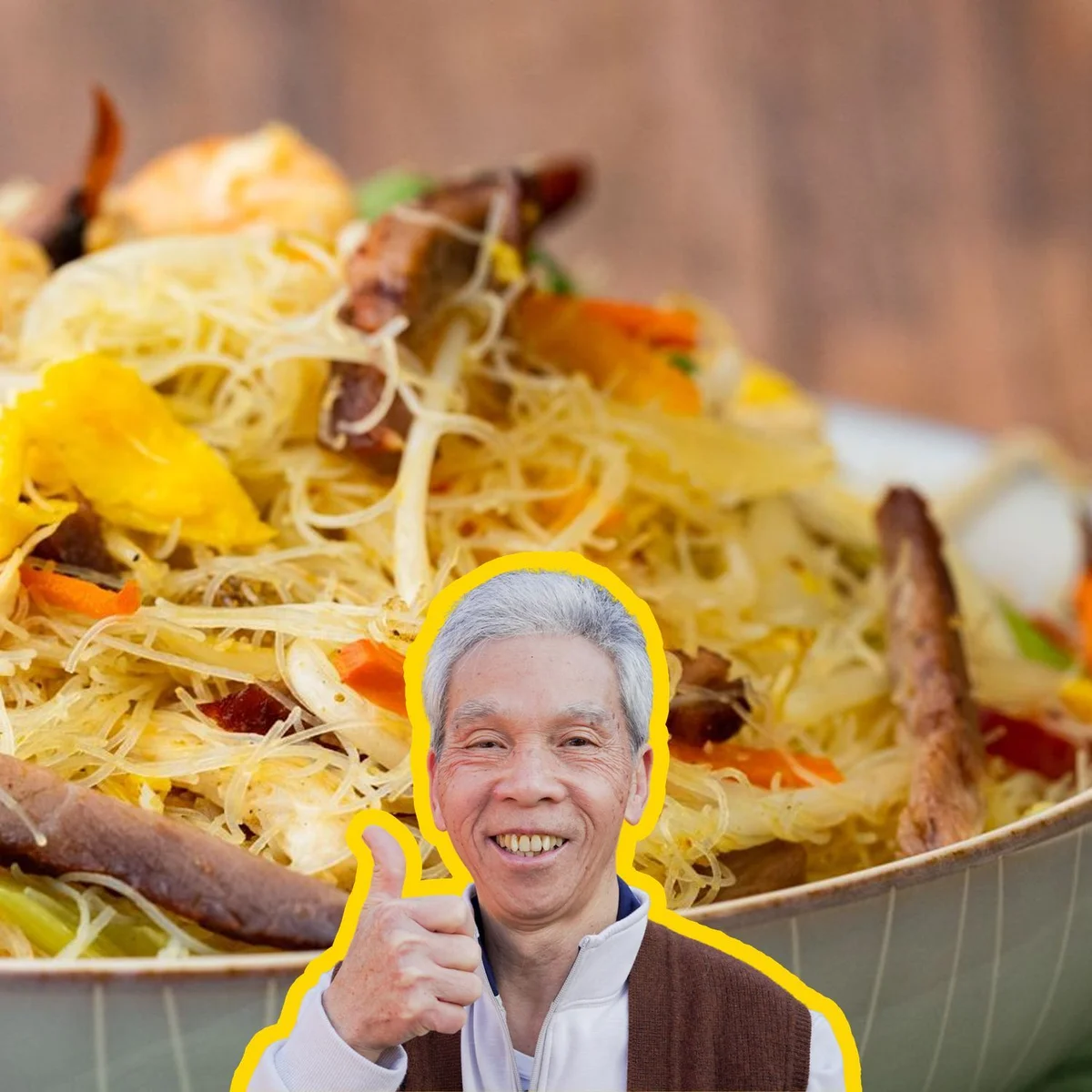
Singapore noodles are a colourful stir-fry of rice noodles, curry-seasoned sauce, meat, prawns and vegetables. This version brings together char siu, chicken and prawns for a generous noodle dish cooked in a hot wok.
Ingredients
- 227 g (8 oz)rice stick noodles
- 85 g (3 oz)char siu
- 2eggs
- 85 g (3 oz)chicken breast
- 10prawns
- 1bell pepper
- ½yellow onion
- 2 stalkscelery
- 57 g (2 oz)carrot
- 85 g (3 oz)bean sprouts
- 2spring onions
- 2 tspcorn oil
- 3 tbspcorn oil
- ½ tspcornflour
- 1 tbspwater
- 1 tspcurry powder
- 1 tbspoyster sauce
- 1 tspsalt
- 1 tspsugar
- 2 tbspwater
- 1½ tbspsesame oil
Instructions
- 1
Boil the noodles
Bring a pan of water to the boil. Cook the rice noodles for about 1–2 minutes, using chopsticks throughout to separate the strands.
- 2
Prepare the proteins
Prepare the chicken, char siu, prawns and egg.
- 3
Cut the vegetables
Wash the vegetables. Slice the carrot, onion and celery, then cut the slices into strips.
- 4
Mix the sauce
Stir together the curry powder, oyster sauce, salt, sugar and 2 tablespoons of water.
- 5
Heat the wok
Loosen the noodles. Heat the wok until very hot before adding oil.
- 6
Cook the ingredients
Bring all the prepared ingredients together in the wok and cook them.
- 7
Taste and serve
Plate the noodles, taste them and adjust the flavour if needed.
What are Singapore noodles?
Singapore noodles are a curry-seasoned rice-noodle stir-fry associated with Chinese restaurant cooking. Despite the name, the dish is generally described as a Chinese-style preparation rather than a traditional Singaporean staple.
This version combines char siu, chicken, prawns, egg and vegetables. Its mix of savoury sauce and curry powder gives the noodles their distinctive flavour.
Nutrition and macros by portion
The nutrition label shows one serving as written: 560 calories, 27g protein, 72g carbs, 19g fat.
| Portion | Adjustment | kcal | Protein | Carbs | Fat |
|---|---|---|---|---|---|
| Lighter | Use less oil | 392 kcal | 19g | 50g | 13g |
| This serving | As written | 560 kcal | 27g | 72g | 19g |
| Hungry | Add extra noodles | 840 kcal | 41g | 108g | 29g |
The rice noodles provide most of the carbohydrates, while the corn oil and sesame oil contribute much of the fat. Chicken, prawns, egg and char siu supply protein, and the oyster sauce and salt contribute sodium. Pair a serving with extra vegetables or a fresh salad for a more balanced plate.
Choose and prepare the noodles
Rice sticks: These cook quickly, so keep a close eye on them during the short boil. Separating the strands with chopsticks helps prevent a dense clump.
Drain well: Excess water can dilute the sauce and make a wok stir-fry less lively. Have the noodles ready to hand before heating the wok.
Get the vegetables ready
Even strips: Cut the carrot, onion and celery into similarly sized pieces so they are easy to combine with the noodles.
Fresh additions: Bean sprouts and spring onions are listed among the ingredients, though the method does not specify when to add them. Keep them prepared alongside the other vegetables.
Make the curry sauce
Mix first: Combine the curry powder, oyster sauce, salt, sugar and 2 tablespoons of water before cooking. A ready-to-pour sauce is easier to distribute through a quick stir-fry.
Cornflour note: The ingredients also list cornflour and 1 tablespoon of water, but the method does not say how to use them. Keep this mixture separate unless following further instructions from the original recipe.
Work with a hot wok
Heat before oil: The method calls for getting the wok very hot before adding oil. Prepare and arrange the ingredients first, as the cooking stage is intended to bring them together quickly.
Manage the noodles: Loosen the cooked strands before they go into the wok so they are easier to mix with the other ingredients.
Serving the noodles
Serve the dish hot, while the noodles and vegetables are freshly cooked. A simple side of sliced cucumber or lightly dressed greens can add a cool, crisp contrast.
Taste before serving, as the method suggests, and adjust the seasoning to suit your preference.
Recipe notes & tips
- Separate the rice noodles with chopsticks while they boil.
- Drain the noodles thoroughly before stir-frying.
- Cut the vegetables into even strips for easier mixing.
- Mix the curry sauce before heating the wok.
- Have the ingredients ready before the wok gets hot.
- Taste the finished dish before adding any extra seasoning.
Variations
- More vegetables: Add extra pepper, carrot or bean sprouts for a vegetable-forward version.
- Prawn emphasis: Use more prawns and reduce one of the other proteins.
- Milder curry: Reduce the curry powder slightly for a gentler flavour.
- No char siu: Leave it out or replace it with extra chicken.
- Vegetarian version: Omit the meat and prawns and use a vegetarian alternative to oyster sauce.
Common mistakes to avoid
- Overcooking the noodles: Boil them for just 1–2 minutes and separate the strands as they cook.
- Skipping the preheat: Let the wok become very hot before adding the oil.
- Wet noodles: Drain them well so excess water does not thin the sauce.
- Uneven vegetable cuts: Slice the vegetables into consistent strips for more even cooking.
- Unmixed sauce: Stir the sauce ingredients together before adding them to the wok.
- Guessing at the cornflour: The method does not explain its use, so check the original instructions rather than adding it blindly.
How to store
Refrigerate leftovers promptly in a covered container and eat within 2 days. Reheat until piping hot, stirring regularly in a pan; add a small splash of water if the noodles have dried out.
Frequently asked questions
Can I prepare the vegetables ahead?
Yes. Wash and cut them ahead, then keep them covered in the fridge until you are ready to cook.
How do I stop the rice noodles sticking together?
Separate them with chopsticks throughout the brief boiling time, then drain them well and loosen them before stir-frying.
Can I use a frying pan instead of a wok?
Yes, use a large frying pan and heat it well before adding oil. Cook in batches if the pan is crowded.
What is char siu?
Char siu is Chinese-style barbecued pork, typically seasoned with a savoury-sweet marinade. It adds a rich, roasted flavour to the noodles.
When should I add the cornflour?
The method supplied does not specify how to use the cornflour and the tablespoon of water. Check the original recipe for those instructions rather than guessing.
Cook it from the original
This recipe comes from madewithlau.com. Their page has the author’s own photos, notes and tips — the best place to cook it from.
Open the recipe on madewithlau.com