
Easy Low Carb Caesar Salad Dressing
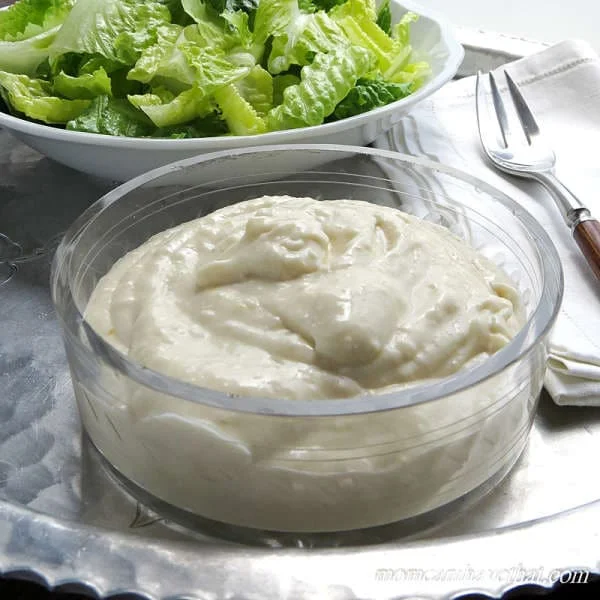
This quick Caesar dressing combines mayonnaise, Parmesan, lemon, anchovy and garlic for a salty, tangy, savoury finish. Make it for salad or use it as a dip for vegetables; it tastes even more rounded after chilling overnight.
Ingredients
- 240 ml (1 cup)mayonnaise
- 1 clovegarlic
- 15 ml (1 tablespoon)lemon juice
- 6 ml (1¼ teaspoons)anchovy paste
- 5 ml (1 teaspoon)lemon zest
- 5 ml (1 teaspoon)Dijon mustard
- 5 ml (1 teaspoon)Worcestershire sauce
- 5 ml (1 teaspoon)white vinegar
- 1.25 ml (¼ teaspoon)salt
- 25 g (¼ cup)grated Parmesan cheese
Instructions
- 1
Mix the anchovy
Put the anchovy paste and Dijon mustard in a bowl with a capacity of 2–4 cups. Whisk or stir with a fork until smooth.
- 2
Make garlic paste
On a chopping board, press the garlic clove with the flat side of a large kitchen knife, then peel it. Chop it a few times and add the ¼ teaspoon of salt. Gather the garlic into a pile, turn the knife sideways and scrape the garlic and salt across the board several times until they form a paste. Add the paste to the bowl and mix.
- 3
Add sharp flavours
Stir the Worcestershire sauce and white vinegar into the mixture.
- 4
Stir in mayonnaise
Add the mayonnaise, lemon juice and lemon zest, then stir until combined.
- 5
Add Parmesan
Stir in the grated Parmesan until evenly blended.
- 6
Taste and rest
Taste the dressing and adjust the seasoning. Its flavour develops more fully overnight and is even better the next day.
- 7
Portion the dressing
The recipe makes a little over 1 cup, with a serving size of 3 tablespoons.
What is Caesar dressing?
Caesar dressing is a savoury, tangy dressing associated with the Caesar salad, which was created in Tijuana by restaurateur Caesar Cardini. This version uses mayonnaise as its creamy base, with anchovy, Parmesan, lemon and garlic providing the familiar bold flavours.
Because the ingredients are stirred together rather than emulsified from scratch, it is a convenient option for both salads and dipping.
Nutrition and macros by portion
The nutrition label shows one serving as written: 213 calories, 2g protein, 1g carbs, 24g fat.
| Portion | Adjustment | kcal | Protein | Carbs | Fat |
|---|---|---|---|---|---|
| Lighter | Use less mayonnaise | 149 kcal | 1g | 1g | 17g |
| This serving | As written | 213 kcal | 2g | 1g | 24g |
| Hungry | Serve a larger portion | 320 kcal | 3g | 2g | 36g |
Mayonnaise supplies most of the energy and fat, while Parmesan contributes some fat and protein; the small amount of lemon and other seasonings accounts for little carbohydrate. Serve a measured 3-tablespoon portion over plenty of lettuce or vegetables to make a more substantial plate.
The anchovy and mustard base
Smooth start: mixing the anchovy paste and Dijon first helps distribute their concentrated flavours through the dressing.
Salty depth: anchovy paste brings savoury intensity without requiring whole anchovies. Parmesan and Worcestershire add further savoury notes, so taste before adding any extra salt.
Making the garlic paste
Fine texture: pressing the garlic with salt and scraping it across the board breaks it down into a paste, which blends more evenly than larger pieces.
Gentle handling: use the flat side of the knife to crush the clove, keeping your other hand clear of the blade.
Balancing lemon and richness
Bright flavour: lemon juice and zest bring both acidity and aromatic citrus notes to the mayonnaise.
Creamy finish: mayonnaise carries the other ingredients into a thick, cohesive dressing. Stir in the Parmesan at the end so it remains evenly dispersed.
Texture and seasoning cues
Ready to use: the finished dressing should look creamy, with the Parmesan and garlic mixed throughout rather than sitting in clumps.
Final check: taste it before serving. The flavours are concentrated, so adjust cautiously, especially if adding more salt or lemon.
Serving ideas
Classic pairing: toss the dressing with crisp lettuce for a Caesar-style salad, adding croutons if you like.
For dipping: serve it with raw vegetables or spoon a little alongside roasted vegetables. Its thickness also makes it suitable as a spread in a sandwich or wrap.
Why a little rest helps
Short wait: although the dressing takes about 5 minutes to make, chilling it gives the garlic, anchovy and lemon time to mingle.
Plan ahead: the recipe notes that the flavour is fuller overnight and better the next day. Stir it before serving in case it has settled.
Recipe notes & tips
- Measure the anchovy paste carefully, as its flavour is concentrated.
- Scrape the garlic and salt into a fine paste for a smoother dressing.
- Use freshly grated lemon zest for a pronounced citrus aroma.
- Taste before adding extra salt because the anchovy paste and Parmesan are already savoury.
- Chill the dressing overnight when you have time for a more developed flavour.
Variations
- Extra lemon: Add a little more lemon juice for a sharper, brighter dressing.
- Peppery finish: Grind black pepper over the dressing just before serving.
- Herb addition: Stir in finely chopped parsley for a fresh herbal note.
- Softer garlic: Use less garlic if you prefer a milder, less pungent flavour.
- Vegetable dip: Keep the dressing thick and serve it alongside crunchy raw vegetables.
Common mistakes to avoid
- Lumpy garlic: Chop and scrape it with the salt until it forms a paste before mixing it in.
- Over-salting: Taste first, since anchovy paste and Parmesan both bring saltiness.
- Uneven mixing: Blend the anchovy paste and mustard before adding the other ingredients.
- Adding too much lemon: Start with the specified amount, then taste before adjusting.
- Serving straight away: Give the dressing time to chill if you want its flavours to meld.
How to store
Keep the dressing covered in the refrigerator and use it within 3–4 days. Stir before serving; serve chilled rather than reheating.
Frequently asked questions
Can I make this dressing ahead?
Yes. The method notes that its flavour develops overnight, so making it a day ahead is a good option. Keep it covered in the refrigerator.
How much dressing does the recipe make?
It makes a little over 1 cup, with a stated serving size of 3 tablespoons.
Can I use it as a dip?
Yes. The thick, mayonnaise-based dressing works as a dip for raw vegetables as well as a salad dressing.
What can I use instead of anchovy paste?
The recipe relies on anchovy paste for its savoury flavour. You can omit it, but the dressing will taste less like a classic Caesar dressing.
Why make a paste from the garlic?
The salt helps break the garlic down as you scrape it against the board. A fine paste mixes more evenly into the dressing than larger pieces.
Cook it from the original
This recipe comes from lowcarbmaven.com. Their page has the author’s own photos, notes and tips — the best place to cook it from.
Open the recipe on lowcarbmaven.com