
Gran's Cheese Scones Recipe
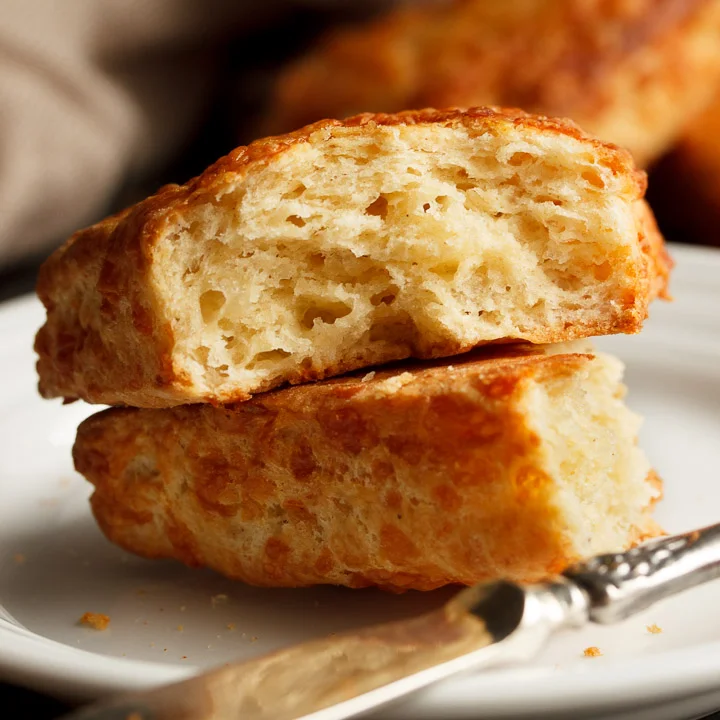
These English cheese scones are savoury, flaky and topped with extra Cheddar for a deep golden finish. They come together quickly and are especially good warm from the oven, split and buttered.
Ingredients
- 170 g (1⅓ cups)plain flour
- 3 tspbaking powder
- to tastesalt and pepper
- ½ tspmustard powder
- 30 g (⅛ cup)unsalted butter, cold and cubed
- 125 g (1⅛ cups), dividedgrated strong Cheddar cheese
- 1medium egg
- 2–4 tbspmilk
Instructions
- 1
Preheat and mix
Heat the oven to 220°C (210°C fan). In a large bowl, combine the flour, baking powder, salt, pepper and mustard powder.
- 2
Rub in butter
Rub the cold butter into the flour mixture with your fingertips or a pastry blender until it resembles very fine crumbs.
- 3
Add the cheese
Stir in 100 g of the grated Cheddar, keeping the remaining cheese aside for the topping.
- 4
Bring dough together
Make a well in the centre and add the egg and 2 tbsp milk. Mix with a fork until the dough comes together, adding more milk a tablespoon at a time if it is too dry. Aim for a soft, pliable dough that is not sticky.
- 5
Shape the scones
Turn the dough onto a floured surface and gather it into a ball. Flatten it into a circle about 2.5 cm (1 inch) thick, then cut it into 8 equal triangles.
- 6
Top with cheese
Arrange the triangles spaced apart on a baking tray. Brush their tops with a little milk and scatter over the reserved grated cheese.
- 7
Bake until golden
Bake in the centre of the oven for 10–15 minutes, until deeply golden.
- 8
Cool on a rack
Once cool enough to handle, move the scones to a wire rack to cool completely.
What are cheese scones?
Scones are a familiar part of British baking, with savoury versions often served warm alongside soup or as a simple snack. These are English-style cheese scones, made with baking powder for lift rather than yeast.
Strong Cheddar gives the crumb a pronounced savoury flavour, while mustard powder adds a gentle savoury edge. Cheese both inside and on top makes each scone flavourful, with a browned, cheesy crown.
Nutrition and macros by portion
The nutrition label shows one serving as written: 153 calories, 4g protein, 18g carbs, 7g fat.
| Portion | Adjustment | kcal | Protein | Carbs | Fat |
|---|---|---|---|---|---|
| Lighter | Smaller scone, less butter | 107 kcal | 3g | 13g | 5g |
| This serving | As written | 153 kcal | 4g | 18g | 7g |
| Hungry | Two scones with soup | 230 kcal | 6g | 27g | 11g |
The flour supplies most of the carbohydrates, while butter and Cheddar contribute much of the fat; the cheese and egg provide protein. Serve a scone with vegetable soup or a crisp salad to make a more balanced plate.
Choosing the ingredients
Strong Cheddar: A well-flavoured cheese holds its own in the dough. Grate it yourself if convenient, then divide the 125 g between the mixture and topping.
Cold butter: Keeping the butter cold helps it rub into the flour as fine crumbs, which supports a tender, flaky texture. Mustard powder, salt and pepper season the dough without adding moisture.
Getting the dough right
Add the milk gradually: Start with 2 tbsp alongside the egg, then add more only if the dough will not come together. Flour can absorb liquid differently, so use the soft, pliable texture as your guide.
Handle gently: Bring the dough together rather than kneading it like bread. Too much handling can make the scones firm instead of light.
Shaping and cutting
Even thickness: Pat the dough into a circle about 2.5 cm thick so the triangles bake at a similar rate. Cut 8 equal pieces for consistent portions.
Floured surface: A light dusting helps the dough release as you shape it. Avoid working extra flour into the dough, which can make it dry.
Bake for the right colour
Oven heat: Bake at 220°C (210°C fan) in the centre of the oven for 10–15 minutes. The exact time depends on your oven, so begin checking at the earlier end.
Doneness cue: Look for a deep golden colour on top and around the edges. Let the scones firm up briefly before moving them to a wire rack.
Serving and timing
These scones are at their best freshly baked, when the cheese topping is fragrant and the inside is tender. Serve them warm with butter, or pair one with a bowl of soup for a more substantial meal.
The stated total time is 30 minutes, including preparation and baking. Have the tray ready before shaping so the cut scones can go straight into the oven.
Recipe notes & tips
- Measure the milk carefully and add it in stages so the dough stays soft rather than sticky.
- Keep the butter cold until you rub it into the flour.
- Grate the Cheddar finely so it mixes evenly through the dough.
- Space the triangles apart on the tray so their sides can bake evenly.
- Check the scones from 10 minutes onwards, as ovens can vary.
- Let them cool briefly before transferring them so they do not break while still very hot.
Variations
- Extra mustard: Increase the mustard powder slightly for a more noticeable savoury note.
- Peppery finish: Add a little extra black pepper to the flour mixture.
- Different cheese: Replace some of the Cheddar with another firm, strongly flavoured cheese.
- Herb addition: Stir finely chopped chives into the dry ingredients for a fresh savoury flavour.
- Round scones: Pat the dough into a round and cut out portions with a cutter instead of making triangles.
Common mistakes to avoid
- Adding all the milk at once: Start with 2 tbsp and add more gradually to avoid sticky dough.
- Overworking the dough: Bring it together gently so the baked scones stay tender.
- Using warm butter: Cold butter is easier to rub in and helps create a crumbly texture.
- Making uneven portions: Cut 8 similar-sized triangles so they bake at roughly the same rate.
- Removing them too early: Bake until deeply golden, checking from the 10-minute mark.
- Moving them while piping hot: Let them cool enough to handle before transferring to the rack.
How to store
Once completely cool, keep the scones in an airtight container at room temperature and eat within 2 days. Warm them briefly in a low oven to refresh; avoid microwaving for too long, as it can make them chewy.
Frequently asked questions
Can I use a different cheese?
Yes. Choose a firm cheese with a good savoury flavour, and grate it so it distributes well through the dough. The topping may brown differently depending on the cheese.
How do I know if I need more milk?
After mixing in the egg and 2 tbsp milk, check whether the dough holds together. If it is still dry and crumbly, add more milk a tablespoon at a time until it is soft and pliable.
Can I make the dough ahead?
These scones are best baked soon after shaping, once the baking powder has been mixed into the dough. For the freshest texture, prepare and bake them just before serving.
Can I freeze the baked scones?
Yes. Cool them completely, wrap them well and freeze. Defrost, then warm briefly in the oven until heated through.
Why are my scones tough?
The dough may have been handled too much or had too much extra flour worked into it. Mix and shape it gently, stopping as soon as it comes together.
Can I bake these as round scones?
Yes. Shape the dough to the same thickness and cut out rounds instead of triangles. Keep the portions similar in size and check for a deep golden finish.
Cook it from the original
This recipe comes from kitchenmason.com. Their page has the author’s own photos, notes and tips — the best place to cook it from.
Open the recipe on kitchenmason.com