
Chewy Meringues Recipe (UK)
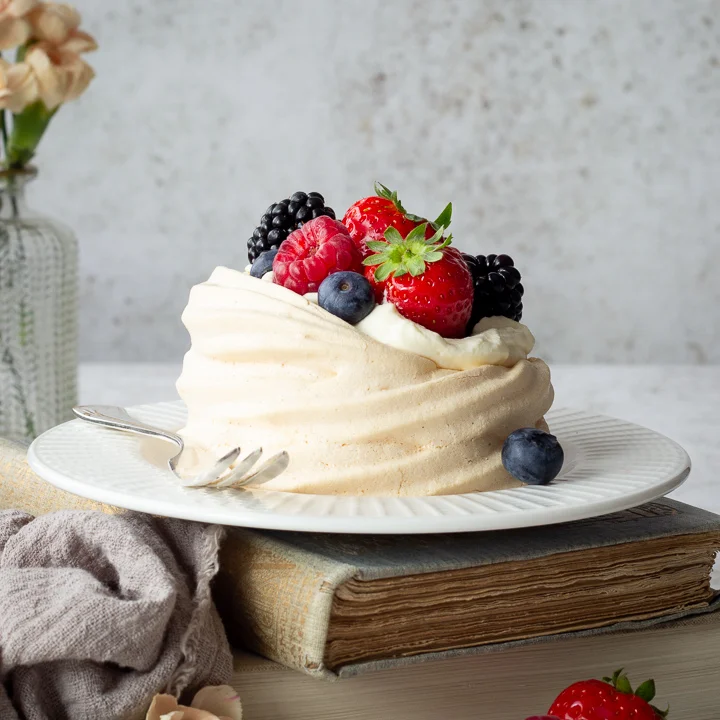
These English-style meringues have crisp outsides and soft, chewy centres. The method uses a slow bake and a gradual addition of sugar to make a glossy mixture that is easy to pipe or spoon onto a tray.
Ingredients
- 1Large baking tray
- As neededBaking paper
- 1Large mixing bowl
- 1Electric hand whisk
- 1 (optional)Piping bag
- 1 (optional)Piping nozzle
- 2Large egg whites, at room temperature
- 1/8 tspCream of tartar
- 3/4 tspCornflour
- 130 g (1/2 cup + 1 tbsp)Caster sugar
Instructions
- 1
Whisk the whites
Heat the oven to 110°C (230°F) and line a large baking tray with baking paper. Put the egg whites and cream of tartar in a large bowl, then whisk with an electric hand whisk until stiff peaks form.
- 2
Add the sugar
Sprinkle in the cornflour and whisk briefly. Add the sugar gradually, 1 tsp at a time, whisking for about 10 seconds between additions. Continue until all the sugar is incorporated and the mixture is very thick and shiny.
- 3
Shape the meringues
Fit a piping bag with your chosen nozzle, if using, and fill it with the meringue mixture. Pipe nests about 7 cm across and 3 cm tall, or spoon the mixture onto the tray in mounds. Leave a little space between each one.
- 4
Bake and cool
Bake in the preheated oven for 70 minutes, until the outside and underside are crisp and the centres are chewy. Let the meringues cool completely.
What are chewy meringues?
Meringues are sweets made by whisking egg whites with sugar, a style of baking found in English and wider European traditions. This version is baked gently so the outside sets while the middle stays chewy.
Sugar: Adding it little by little helps the whites become thick and glossy. Cornflour is whisked in before the sugar to support the soft-centred texture.
Nutrition and macros by portion
The nutrition label shows one serving as written: 67 calories, 1g protein, 16g carbs, 0g fat.
| Portion | Adjustment | kcal | Protein | Carbs | Fat |
|---|---|---|---|---|---|
| Lighter | Smaller meringue portions | 47 kcal | 1g | 11g | 0g |
| This serving | As written | 67 kcal | 1g | 16g | 0g |
| Hungry | Serve with fruit and cream | 101 kcal | 1g | 24g | 0g |
The caster sugar supplies most of each serving's carbohydrate, while the egg whites provide a small amount of protein; the recipe contains no added fat. Serve one meringue with fresh fruit to balance its sweetness with a fresh accompaniment.
Why room-temperature egg whites matter
Egg whites: Bring them to room temperature before whisking, as specified in the recipe. Make sure the bowl and whisk are clean so the whites can build into stiff peaks.
Cream of tartar: Whisk it with the whites from the start. The recipe uses a small amount alongside the egg whites to help form the meringue.
Building a glossy mixture
Cornflour: Sprinkle it over the stiffly whisked whites and give it only a brief whisk, as directed.
Sugar: Add 1 tsp at a time and whisk for about 10 seconds between additions. Take care not to rush this stage; the mixture should end up very thick and shiny.
Piping or spooning
Piped nests: Use a piping bag and nozzle to shape nests about 7 cm in diameter and 3 cm tall. This gives the meringues a defined shape.
Spoonfuls: If you do not have piping equipment, spoon the mixture onto the lined tray in mounds. Either way, leave a little space between them for spreading.
How to judge the bake
Oven: Keep the temperature at 110°C and bake for 70 minutes. The recipe relies on a low oven rather than a short, hot bake.
Texture: Look for crisp outsides and undersides, with chewy centres. Cool the meringues completely before serving so their texture can settle.
Serving ideas
Fruit: Serve the meringues with fresh berries or sliced fruit for a bright contrast to their sweetness. Add the fruit just before serving to help the shells stay crisp.
Cream: A little whipped cream makes these suitable for a simple dessert, though it is not part of the recipe itself. You can also serve them plain with tea or coffee.
Recipe notes & tips
- Bring the egg whites to room temperature before whisking.
- Use a clean, dry bowl and whisk for the egg whites.
- Add the sugar gradually, whisking for about 10 seconds after each teaspoon.
- Leave a little space between the meringues on the lined tray.
- Let the meringues cool completely before moving or serving them.
Variations
- Add berries: Serve with fresh berries just before eating.
- Add cream: Pair with a spoonful of whipped cream for a richer dessert.
- Make spooned meringues: Use mounds instead of piping if you do not have a bag.
- Change the shape: Pipe smaller meringues, keeping some space between them on the tray.
Common mistakes to avoid
- Adding sugar too quickly: Add it 1 tsp at a time and whisk for about 10 seconds between additions.
- Stopping before stiff peaks: Keep whisking the whites and cream of tartar until the peaks hold their shape.
- Whisking the cornflour for too long: Give it only a brief whisk before adding the sugar.
- Crowding the tray: Leave a little space between each mound or nest.
- Removing them too soon: Cool the meringues completely before handling so their texture can settle.
How to store
Once completely cool, store the meringues in an airtight container in a cool, dry place. Moisture can soften them, so keep them away from humid areas and avoid refrigerating them.
Frequently asked questions
Can I make these without a piping bag?
Yes. Spoon the mixture onto the lined tray in mounds, leaving a little space between each one.
How do I know when the meringues are ready?
After 70 minutes, the outsides and undersides should be crisp while the centres remain chewy.
Why add the sugar a teaspoon at a time?
Gradual additions help the mixture become very thick and shiny. Whisk for about 10 seconds between each addition.
Can I use cold egg whites?
The recipe specifies room-temperature egg whites, so let them come to room temperature before you begin.
Do the meringues need to cool before serving?
Yes. Allow them to cool completely after baking before serving.
Cook it from the original
This recipe comes from kitchenmason.com. Their page has the author’s own photos, notes and tips — the best place to cook it from.
Open the recipe on kitchenmason.com