
Egg Fried Rice (Gyeran Bokkeumbap)
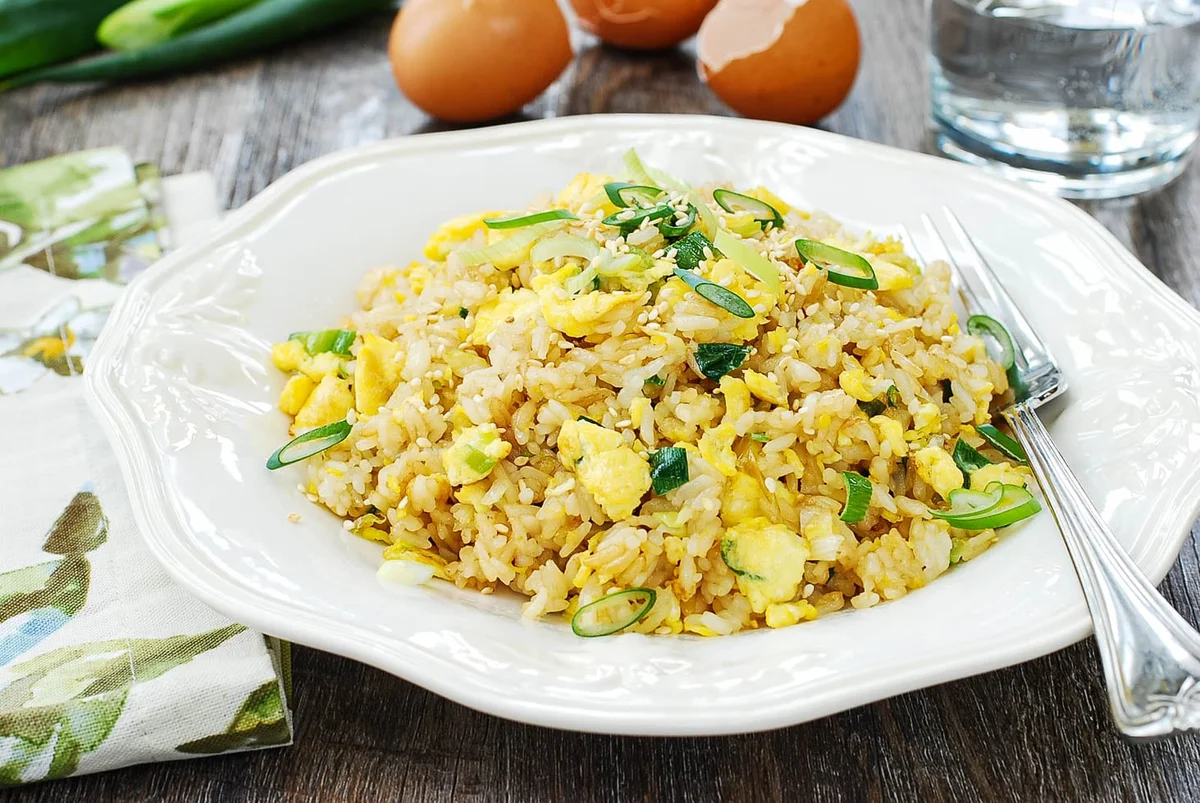
Egg fried rice, or gyeran bokkeumbap, combines rice with softly scrambled eggs and fragrant scallions. It is a quick, straightforward meal that makes good use of cooked rice.
Ingredients
- 2 servings (about 475 g cooked rice; 3 cups)cooked rice
- 3 largeeggs
- 3 to 4 (or 1 Korean large scallion, about 100 g; 1 cup)scallions, finely chopped
- for frying (4 tablespoons; about 60 ml, as specified in the method)vegetable or rapeseed oil
- 1 tablespoon (15 ml)soy sauce
- to tastesalt and pepper
- ½ tablespoon (7.5 ml)sesame oil
- ½ teaspoon (about 2.5 ml)sesame seeds
Instructions
- 1
Chop scallions
Finely chop the scallions.
- 2
Beat eggs
Crack the eggs into a bowl and beat them with chopsticks or a fork.
- 3
Fry scallions
Heat a large frying pan over medium-high heat with 2 tablespoons of oil. Add two-thirds of the scallions and stir-fry until soft and fragrant.
- 4
Scramble eggs
Turn the heat down to medium-low and add the eggs. Stir gently until set but still a little runny, then transfer them to a plate.
- 5
Fry remaining scallions
Raise the heat to medium-high and add 2 tablespoons of oil. Stir in the remaining scallions until soft and fragrant, then mix in 1 tablespoon of soy sauce.
- 6
Toast the rice
Add the rice and fry, stirring well and breaking up any clumps, until it is well toasted.
- 7
Finish the rice
Return the eggs to the pan and mix them through the rice, breaking them into pieces. Season with salt and pepper to taste, then add the sesame oil and sesame seeds.
What is gyeran bokkeumbap?
Gyeran bokkeumbap is Korean egg fried rice: cooked rice stir-fried with egg and scallions. This simple version builds flavour by cooking the scallions in oil before adding the rice.
The method cooks the eggs separately first, so they can be returned to the pan near the end rather than disappearing into the rice.
Nutrition and macros by portion
The nutrition label shows one serving as written: 675 calories, 17g protein, 68g carbs, 38g fat.
| Portion | Adjustment | kcal | Protein | Carbs | Fat |
|---|---|---|---|---|---|
| Lighter | Use less frying oil | 472 kcal | 12g | 48g | 27g |
| This serving | As written | 675 kcal | 17g | 68g | 38g |
| Hungry | Add another rice serving | 1013 kcal | 26g | 102g | 57g |
Most of the carbohydrates come from the rice, while the eggs provide protein and the frying oil contributes much of the fat. Serve with a generous portion of vegetables for a more balanced plate.
The rice and scallions
Cooked rice: rice that is already cooked is easy to break up in the pan and fry until toasted. Separate any clumps as you stir so the seasoning and oil can coat the grains.
Scallions: splitting them into two additions gives the rice flavour at both the start and the end of cooking. Daepa, a Korean large scallion, can stand in for the smaller scallions.
Scrambling the eggs
Gentle heat: lower the pan to medium-low before adding the beaten eggs. Stir softly and take them off the heat while they are just set but still slightly runny.
Separate cooking: transfer the eggs to a plate before frying the rest of the ingredients. They will finish cooking when mixed back into the hot rice.
Toasting the rice
Break up clumps: add the rice after the soy sauce has been stirred into the scallions. Use your spoon or spatula to separate compacted grains as you toss them in the pan.
Look for a toasted finish: keep stirring until the rice is hot and the grains have had time to fry in the pan. Avoid stopping as soon as the rice is simply warmed through.
Seasoning and finishing
Soy sauce: it goes in with the second batch of scallions, before the rice. Stir it through that fragrant oil so it is distributed when the rice is added.
Sesame oil and seeds: add these at the end with salt and pepper. Taste before adding much salt, as soy sauce already brings savoury seasoning.
Serving the rice
Serve the rice hot as a simple main or alongside a Korean-style meal. A fresh, crunchy side such as sliced cucumber or a salad can add contrast to the soft, savoury rice.
For a fuller meal, pair it with vegetables or a light soup. Keep any extra seasoning on the side so everyone can adjust their own bowl.
Recipe notes & tips
- Have the cooked rice and chopped scallions ready before heating the pan.
- Beat the eggs just before cooking so they are ready to add.
- Use a large pan so the rice can be stirred and spread out as it fries.
- Break up rice clumps as you add them rather than leaving them to heat whole.
- Taste before adding salt, since soy sauce is already in the dish.
Variations
- Add vegetables: stir-fry finely chopped vegetables with the scallions until tender.
- Add garlic: cook a little finely chopped garlic with the scallions, taking care not to brown it.
- Make it spicy: serve with Korean chilli paste or chilli flakes at the table.
- Use brown rice: swap in cooked brown rice and fry it until hot and toasted.
- Add extra sesame: finish with a few more sesame seeds for a stronger sesame flavour.
Common mistakes to avoid
- Crowded pan: the rice is harder to stir evenly; use a large frying pan.
- Cold clumps: compact rice can stay unevenly heated; break up the clumps as you fry.
- Overcooked eggs: they can become dry; remove them while still slightly runny.
- Scorched scallions: burnt edges taste harsh; stir them and reduce the heat if they colour too quickly.
- Over-salting: soy sauce is already salty; taste before adding extra salt.
How to store
Cool leftovers promptly and refrigerate in a covered container for up to 2 days. Reheat until steaming hot throughout, stirring well; add a small splash of water if the rice seems dry.
Frequently asked questions
Can I use freshly cooked rice?
Yes, though it may be softer and more prone to clumping. Spread it out briefly to let excess steam escape, then break up any clumps as you fry it.
Can I use leftover rice?
Yes. Break up any clumps before adding it to the pan, then fry until the rice is hot and toasted.
What is daepa?
Daepa is a Korean large scallion. The recipe gives it as an alternative to 3 to 4 regular scallions.
How do I stop the eggs becoming dry?
Scramble them over medium-low heat and transfer them out while they are set but still a little runny. They will cook further when returned to the hot rice.
Can I make this without sesame oil?
You can leave it out, though the finished rice will have less sesame flavour. Keep the sesame seeds if you would still like their texture.
Cook it from the original
This recipe comes from koreanbapsang.com. Their page has the author’s own photos, notes and tips — the best place to cook it from.
Open the recipe on koreanbapsang.com