
Putbaechu (Young Cabbage) Doenjang Muchim
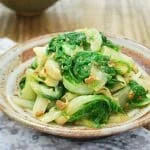
Putbaechu doenjang muchim is a Korean side dish of blanched young cabbage dressed with savoury fermented soybean paste, sesame oil and garlic. It comes together quickly and pairs well with rice and other Korean dishes.
Ingredients
- 2 bunches (about 227 g each; 8 oz each)young cabbage (putbaechu)
- 1 tablespoon (15 ml), or to tastedoenjang (fermented soybean paste)
- ½ tablespoon (7.5 ml)minced garlic
- 1 tablespoon (15 ml)sesame oil or perilla seed oil
- 2 teaspoons (10 ml)roasted, crushed sesame seeds
- 1 teaspoon (5 ml), optionalgochugaru or gochujang
- 1 teaspoon (5 ml), optionalsugar or oligo syrup
- 1 tablespoon (15 ml)salt, for the blanching water
Instructions
- 1
Trim and wash
Cut off the cabbage roots and wash the leaves thoroughly, changing the water until it is free of sand.
- 2
Blanch cabbage
Bring a large pot of water to a rapid boil and add 1 tablespoon of salt. Blanch the cabbage for 4 to 5 minutes, until the white parts have softened. Lift it out and plunge it into cold water to stop the cooking.
- 3
Drain and cut
Drain the cabbage and squeeze it firmly to remove excess water. Cut it into 2 to 3-inch lengths.
- 4
Season and rest
Add the remaining ingredients and mix well by hand. Taste and adjust with more doenjang, or more gochujang or gochugaru for extra heat. Leave for 10 to 20 minutes before serving so the cabbage can take on the seasoning.
What is putbaechu doenjang muchim?
Muchim is a broad Korean term for seasoned dishes, often vegetables mixed with a savoury dressing. Putbaechu means young cabbage, and doenjang is fermented soybean paste.
This version blanches the cabbage before seasoning it, making the leaves tender enough to absorb the paste while keeping their fresh, leafy character.
Nutrition and macros by portion
The nutrition label shows one serving as written: 70 calories, 3g protein, 8g carbs, 4g fat.
| Portion | Adjustment | kcal | Protein | Carbs | Fat |
|---|---|---|---|---|---|
| Lighter | Use less sesame oil | 49 kcal | 2g | 6g | 3g |
| This serving | As written | 70 kcal | 3g | 8g | 4g |
| Hungry | Serve a larger portion | 105 kcal | 5g | 12g | 6g |
The cabbage supplies most of the carbohydrates and fibre, while sesame or perilla oil and sesame seeds contribute most of the fat. Doenjang adds some protein, though this side dish is not a major protein source. Pair a portion with a protein-rich main and rice for a more balanced plate.
Choosing the cabbage
Young cabbage: Look for bunches with crisp leaves and firm, pale stems. Wash between the leaves carefully, as grit can collect near the base.
Substitutes: If putbaechu is unavailable, another tender leafy cabbage can work. Choose leaves that will soften in a few minutes of blanching.
Getting the blanch right
Boiling water: Wait for a rapid boil before adding the cabbage so it cooks promptly. The 4 to 5 minute timing is a guide; thicker white parts may need the full time.
Cold water: Cool the cabbage straight after blanching to halt the cooking. This helps prevent the leaves from becoming overly soft.
Squeezing and seasoning
Remove water: Squeeze the cooled cabbage firmly before cutting it. Excess water can dilute the doenjang dressing and make the finished side dish watery.
Mix by hand: Work the seasonings through the leaves so they are evenly coated. Taste before adding more doenjang, since its saltiness varies by brand.
Balancing the flavour
Doenjang: This fermented paste gives the dish its deep, savoury base. Start with the listed amount and add more only after tasting.
Heat and sweetness: Gochugaru or gochujang adds optional spice, while sugar or oligo syrup softens the savoury edge. Adjust either to suit your preference.
Serving the side dish
Resting time: Let the seasoned cabbage sit for 10 to 20 minutes before serving so the flavours can settle into the leaves.
Pairings: Serve it alongside steamed rice, soup, grilled fish or another Korean main. Its savoury seasoning also complements plainer dishes.
Recipe notes & tips
- Wash the cabbage until no grit remains in the water.
- Keep the pot at a rapid boil when adding the cabbage.
- Squeeze out the blanching water thoroughly before cutting.
- Add extra doenjang gradually, tasting as you go.
- Allow the seasoned cabbage to rest for at least 10 minutes before serving.
Variations
- More heat: Add extra gochugaru or gochujang a little at a time.
- Perilla oil: Use perilla seed oil instead of sesame oil for a different aromatic note.
- Sweeter dressing: Add the optional sugar or oligo syrup to round out the savoury paste.
- Garlic adjustment: Use less minced garlic for a gentler seasoning.
- Seed finish: Sprinkle a few extra crushed sesame seeds over the cabbage just before serving.
Common mistakes to avoid
- Skipping the careful wash: Sand can remain between the leaves, so rinse repeatedly until the water is clear.
- Under-blanching: Tough white stems need time to soften; check them and cook for up to 5 minutes.
- Overcooking: Very soft leaves lose their pleasant texture, so cool them as soon as the stems soften.
- Leaving excess water: A wet cabbage dilutes the dressing; squeeze it firmly after draining.
- Adding too much doenjang at once: The paste can be quite salty, so season in small additions and taste.
How to store
Refrigerate leftovers in a covered container and use within 3 days. Serve chilled or bring to room temperature; if reheating, warm briefly and gently, as prolonged heating can soften the cabbage further.
Frequently asked questions
Can I make this without putbaechu?
Yes. Use another tender leafy cabbage, keeping in mind that thicker leaves may need a little longer to soften.
How do I know when the cabbage is blanched?
The white parts should feel soft while the leaves still hold their shape. The recipe gives 4 to 5 minutes as a guide.
Can I leave out the chilli?
Yes. Both gochugaru and gochujang are optional, so omit them for a mild version.
Do I have to add sugar?
No. Sugar or oligo syrup is optional and can be left out if you prefer a more savoury flavour.
Can I prepare it ahead?
Yes. Make it ahead and refrigerate it covered; the resting time also gives the seasoning a chance to flavour the cabbage.
Cook it from the original
This recipe comes from koreanbapsang.com. Their page has the author’s own photos, notes and tips — the best place to cook it from.
Open the recipe on koreanbapsang.com