
Orange Flan Recipe
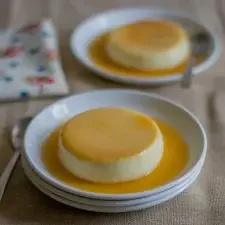
This orange flan is a French-style baked custard topped with a thin layer of amber caramel. Orange zest perfumes the creamy custard, while a water bath helps it bake gently and evenly.
Ingredients
- 45 ml (3 tablespoons)water
- 50 g (1/4 cup)sugar
- 360 ml (1 1/2 cups)whole milk
- 2eggs
- 1egg yolk
- 75 g (6 tablespoons)sugar
- Zest from 1orange
Instructions
- 1
Moisten the sugar
For the caramel, put the sugar in a small saucepan and add the water around the sides. Stir gently until the sugar is thoroughly moistened.
- 2
Cook the caramel
Bring the mixture to a boil and cook without stirring until the sugar dissolves and the liquid turns clear. Continue cooking, stirring occasionally, until it becomes light brown and then amber.
- 3
Fill the ramekins
Take the pan off the heat straight away and divide the hot caramel between four 6-ounce ramekins. Avoid touching it, as it can burn; leave it to harden for about 3–4 minutes.
- 4
Heat the oven
Set an oven rack in the middle position and preheat the oven to 180°C (350°F).
- 5
Infuse the milk
Zest the orange, taking care to avoid the bitter white pith. Add the zest to the milk and heat in a saucepan over medium heat until the milk boils, then remove it from the heat and set it aside.
- 6
Mix the custard
Meanwhile, slowly whisk the whole eggs, egg yolk and sugar in a large bowl until just combined. Add the milk mixture and mix only until combined, keeping the mixture from becoming foamy. Strain it into a large bowl.
- 7
Fill the dish
Divide the custard mixture between the ramekins. Set them in a large baking dish and place the dish on the oven rack.
- 8
Add the water
Bring a kettle of water to the boil and pour it into the baking dish until it reaches halfway up the sides of the ramekins.
- 9
Bake and chill
Bake for 40–50 minutes, until a paring knife inserted halfway between the centre and edge comes out clean. Move the ramekins to a wire rack and cool to room temperature, then refrigerate for 6 hours or overnight.
- 10
Unmould the flan
Run a paring knife around the inside of each ramekin. Cover one with a serving plate and invert it, then gently shake to release the flan. Repeat with the remaining ramekins and serve.
What is orange flan?
Flan is a baked custard served upside down, with caramel becoming a glossy sauce over the top. This version draws on the French crème caramel tradition, with orange zest adding a fragrant citrus note.
The recipe works by keeping the custard simple: milk, eggs and sugar set into a soft texture, while the caramel is cooked separately and hardens in the ramekins before baking.
Nutrition and macros by portion
The nutrition label shows one serving as written: 216 calories, 8g protein, 31g carbs, 9g fat.
| Portion | Adjustment | kcal | Protein | Carbs | Fat |
|---|---|---|---|---|---|
| Lighter | Smaller ramekin portion | 151 kcal | 6g | 22g | 6g |
| This serving | As written | 216 kcal | 8g | 31g | 9g |
| Hungry | Larger portion | 324 kcal | 12g | 47g | 13g |
Most of the carbohydrates and sugar come from the caramel and the sugar mixed into the custard; the milk and eggs contribute protein, while the egg yolk and whole milk provide most of the fat. Serve a flan with fresh fruit for a contrasting, balanced plate.
Make the caramel carefully
Sugar and water: moisten the sugar gently at the start, then leave it alone while it boils until clear. Stirring at that stage can encourage crystals to form.
Colour: keep a close eye on the pan as the syrup darkens. Take it off the heat as soon as it reaches amber, since it can burn quickly and taste bitter.
Get the orange flavour right
Orange zest: use only the bright outer skin, not the white pith beneath it. The pith can bring a harsh bitterness to the custard.
Warm milk: heating the zest with the milk allows its aroma to infuse the custard. Straining the mixture before baking removes the zest and any small lumps.
Keep the custard silky
Gentle mixing: whisk the eggs and sugar only until combined, then mix in the milk without beating in lots of air. Excess foam can leave an uneven surface.
Water bath: pour boiling water around the ramekins until it reaches halfway up their sides. This cushions the custards from the oven’s direct heat.
Check when it is done
Timing: begin checking at 40 minutes; the recipe gives a baking range of 40–50 minutes. Insert a paring knife halfway between the centre and the edge, where it should come out clean.
Chilling: cool the ramekins to room temperature before refrigerating them for at least 6 hours or overnight. This gives the custard time to firm up for unmoulding.
Unmould and serve
Loosen the edge: run a paring knife around the custard before inverting it onto a plate. A gentle shake can help release it without breaking the set custard.
Serve the flans chilled, with the caramel sauce that runs over each one. Fresh orange segments make a simple accompaniment if you want something alongside.
Recipe notes & tips
- Use four 6-ounce ramekins so the custard portions bake at a similar rate.
- Keep the caramel pan close by and watch it continuously as it approaches amber.
- Pour the hot caramel into the ramekins promptly, before it thickens in the pan.
- Avoid vigorous whisking after adding the milk to limit bubbles in the custard.
- Pour the water bath carefully so it does not splash into the ramekins.
- Plan ahead for the 6-hour or overnight chill before serving.
Variations
- Vanilla: add vanilla to the warm milk for a classic custard note.
- Lemon zest: use lemon zest in place of the orange for a sharper citrus flavour.
- Mixed citrus: combine orange zest with a little lemon zest for a brighter aroma.
- Citrus garnish: serve with orange segments for a fresh contrast to the caramel.
- Individual portions: bake the custard in small ramekins as directed for easy serving.
Common mistakes to avoid
- Stirring too soon: the sugar can crystallise; stop stirring once the syrup comes to a boil.
- Overcooking the caramel: it can turn bitter; remove it from the heat as soon as it reaches amber.
- Zesting the pith: the white layer tastes bitter; take only the orange-coloured peel.
- Whisking too much: excess air can make the custard foamy; mix only until combined.
- Shallow water bath: the custards may cook less gently; bring the water halfway up the ramekins.
- Unmoulding too early: warm custard is delicate; chill it for 6 hours or overnight first.
How to store
Cover and refrigerate the flans in their ramekins for up to 3 days. Serve chilled; reheating is not needed and may soften the custard.
Frequently asked questions
Can I make orange flan ahead of time?
Yes. Chill it for at least 6 hours or overnight, as directed, and unmould just before serving.
How do I know when the custard is baked?
Bake for 40–50 minutes and test with a paring knife halfway between the centre and the edge. It should come out clean.
Why does the recipe use a water bath?
The hot water surrounds the ramekins and helps the custard bake gently. It should reach halfway up their sides.
Can I use bottled orange juice instead of zest?
The recipe uses orange zest for its aromatic outer skin, not juice. Juice would change the custard mixture, so it is not a direct substitute.
How do I release the flan from its ramekin?
Run a paring knife around the inside edge, cover the ramekin with a plate and invert it. Shake gently to help the custard release.
What if my caramel hardens in the ramekin?
That is expected: leave it to harden for about 3–4 minutes before adding the custard. It will become the sauce when the flan is turned out.
Cook it from the original
This recipe comes from kannammacooks.com. Their page has the author’s own photos, notes and tips — the best place to cook it from.
Open the recipe on kannammacooks.com