
Garlic Chilli Chicken Curry
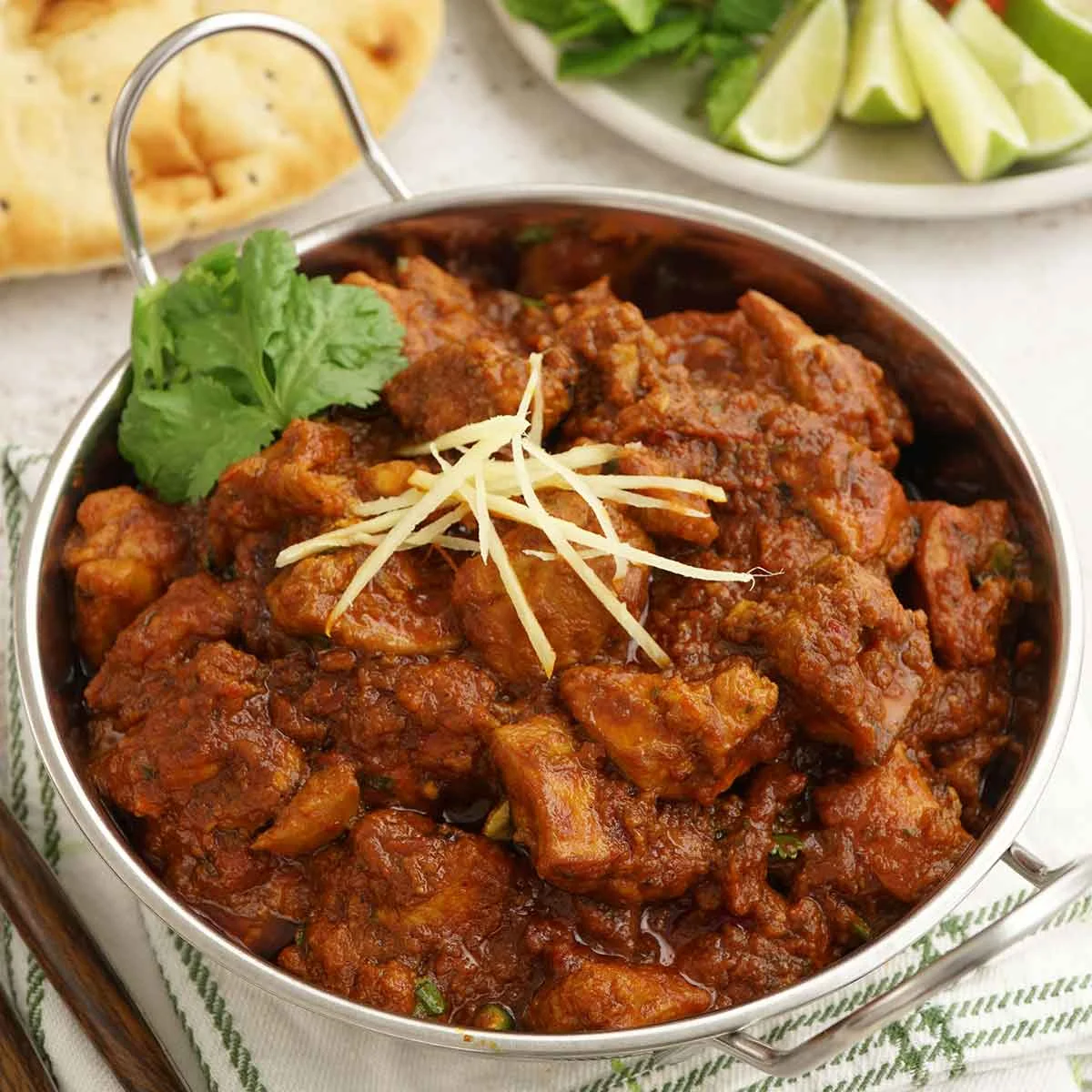
Garlic chilli chicken curry is a quick, aromatic curry with tender chicken, plenty of garlic and a lively chilli kick. Make it for a weeknight meal and serve with rice or flatbread to catch the spiced sauce.
Ingredients
- 450 gChicken thigh, boneless and skinless, or chicken breast
- 2–3Shallots, finely chopped
- 2Tomatoes, finely chopped
- 4–5 clovesGarlic, roughly chopped
- 1 tbspGarlic paste, or finely grated garlic
- 1 tbspGinger paste
- 2 tspTomato purée
- 4–5Green chillies, thinly sliced
- 3–4 tbspCooking oil, such as sunflower, vegetable or rapeseed oil
- 1½ tspSalt
- 240 ml (1 cup)Water
- 1 tspTurmeric powder
- 1½ tspKashmiri chilli powder
- 1 tspCurry powder
- 1 tspGaram masala
- 5–6 podsGreen cardamom
- 1 tspCrushed chillies
- 1 tbspKasuri methi (dried fenugreek leaves)
- To tasteCoriander
- To tasteGinger, cut into thin strips
Instructions
- 1
Soften the shallots
Heat a pan over medium heat and add 3–4 tbsp oil. Add the green cardamom, then the chopped garlic, and stir for a few seconds. Add the shallots and cook until soft and translucent.
- 2
Cook the tomatoes
Stir in the garlic paste and ginger paste and cook until the shallots are light brown. Add the finely chopped tomatoes and cook until soft and the oil separates.
- 3
Add the spices
Mix in the tomato purée, Kashmiri chilli powder, turmeric, garam masala, curry powder and crushed chillies.
- 4
Coat the chicken
Add the chicken pieces and combine well with the spices. Cook for 1–2 minutes, then pour in the warm water and add salt to taste.
- 5
Simmer until tender
Lower the heat to low-medium and cook for a further 15–20 minutes, until the chicken is tender.
- 6
Finish the curry
Add the green chillies and dried kasuri methi, then stir well. Taste and adjust the salt and water to your liking. Finish with coriander.
- 7
Garnish and serve
Transfer the curry to a serving bowl and garnish with thin strips of ginger. Serve with plain rice or your choice of flatbread.
What is garlic chilli chicken curry?
This is a British Indian-style curry built around chicken, garlic and green chillies in a spiced tomato sauce. It draws on familiar South Asian curry ingredients, including ginger, cardamom, garam masala and dried fenugreek leaves.
Here, chopped garlic goes into the oil early, while garlic paste and ginger enrich the sauce later. That layering gives the curry a pronounced garlic flavour without relying on a long simmer.
Nutrition and macros by portion
The nutrition label shows one serving as written: 393 calories, 20g protein, 15g carbs, 28g fat.
| Portion | Adjustment | kcal | Protein | Carbs | Fat |
|---|---|---|---|---|---|
| Lighter | Use less cooking oil | 275 kcal | 14g | 11g | 20g |
| This serving | As written | 393 kcal | 20g | 15g | 28g |
| Hungry | Serve with extra rice | 590 kcal | 30g | 23g | 42g |
Chicken provides most of the protein, while the oil contributes much of the fat and the tomatoes and shallots supply some of the carbohydrates. Serve with a measured portion of rice or flatbread and add vegetables alongside to make the plate more balanced.
Build the flavour base
Whole cardamom: let the pods warm briefly in the oil to release their fragrance, then add the roughly chopped garlic. Keep stirring so the garlic does not catch before the shallots go in.
Tomatoes and purée: cook the chopped tomatoes until soft before adding the purée and spices. The softened tomato helps form the sauce, while the purée adds concentrated tomato flavour.
Choose the chicken and chillies
Chicken thigh: boneless, skinless thigh suits the short simmer and stays tender in the sauce. Chicken breast is an alternative, but check it as it cooks so it does not become dry.
Green chillies: sliced chillies added near the end keep their fresh, direct heat. The crushed chillies and Kashmiri chilli powder bring extra warmth, so the final heat depends on the chillies you use.
Get the sauce consistency right
Water: add the stated 240 ml to start the simmer, then judge the sauce as it cooks. If it becomes thicker than you like, add a little more water when adjusting it at the end.
Oil separation: the recipe uses this as a cue that the tomatoes have cooked down. Stir regularly enough to prevent sticking, particularly as the sauce thickens.
Check the chicken is cooked
Simmer: cook over low-medium heat for 15–20 minutes, as directed, until the chicken is tender. The exact time can vary with the size of the pieces, so cut larger pieces evenly and check the thickest ones before serving.
Final seasoning: taste after adding the kasuri methi and green chillies. Adjust salt and water then, rather than making the sauce too salty or too thin earlier.
Serve it with rice or bread
Plain rice: its mild flavour works well with the garlicky, chilli-spiced sauce. Spoon the curry alongside or over the rice so the sauce is easy to enjoy.
Flatbread: naan or chapati can be served for scooping up chicken and sauce. Add coriander and ginger strips at the end for a fresh, aromatic garnish.
Recipe notes & tips
- Have the spices measured before you start, as the curry base comes together quickly.
- Stir the chopped garlic as soon as it hits the oil so it does not burn.
- Let the tomatoes soften fully before adding the ground spices.
- Cut the chicken into evenly sized pieces to help it cook at a similar rate.
- Add extra water a little at a time if you prefer a looser sauce.
- Taste the curry before serving and adjust the salt and water to suit.
Variations
- Milder curry: use fewer green chillies and reduce the crushed chillies.
- Breast meat: use boneless, skinless chicken breast and check it carefully during the simmer.
- More tomato: add extra chopped tomato for a looser, more tomato-led sauce.
- Herb finish: add a little extra coriander just before serving.
- Flatbread supper: serve with naan or chapati instead of rice.
Common mistakes to avoid
- Burnt garlic: stir it for only a few seconds before adding the shallots.
- Undercooked tomato: let the tomatoes soften and the oil separate before adding the spices.
- Uneven chicken pieces: cut them to a similar size so they cook more evenly.
- Overcooked breast: start checking it before the full simmer time has elapsed.
- Too-thick sauce: add water gradually during the final adjustment.
- Over-seasoning early: taste at the end and adjust the salt after the sauce has simmered.
How to store
Cool leftovers promptly and store them in a covered container in the fridge for up to 2 days. Reheat until piping hot throughout, adding a splash of water if the sauce has thickened.
Frequently asked questions
Can I use chicken breast instead of thigh?
Yes. Use boneless, skinless breast and check it as it simmers, since it can become dry if cooked for too long.
How can I make the curry less hot?
Use fewer green chillies and reduce or omit the crushed chillies. You can also remove the seeds from the green chillies before slicing.
What can I serve with this curry?
Plain rice, naan or chapati all work well. Choose rice for a simple base or flatbread for scooping up the sauce.
What is kasuri methi?
It is dried fenugreek leaves, added near the end of cooking for their distinctive aroma. Rub the leaves lightly between your fingers as you add them.
How do I know when the chicken is done?
The chicken should be tender, with no raw-looking centre in the thickest piece. Cooking time can vary with the size of the pieces.
Can I make the sauce thinner?
Yes. Stir in a little extra water at the end until the sauce reaches the consistency you prefer.
Cook it from the original
This recipe comes from khinskitchen.com. Their page has the author’s own photos, notes and tips — the best place to cook it from.
Open the recipe on khinskitchen.com