
Simple Eggless Vanilla Sponge Cake Recipe - Very Soft and Moist
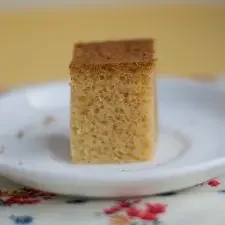
This soft, moist eggless vanilla sponge uses condensed milk for sweetness and richness, with baking powder and bicarbonate of soda to help it rise. It makes a versatile square cake to serve plain or use as a base for other flavours.
Ingredients
- 60 g (½ cup)icing sugar
- 100 g (approximately ½ cup)butter
- 1 tin (400 g)sweetened condensed milk
- 1 teaspoonpure vanilla extract
- 360 ml (1½ cups)milk
- 250 g (1.75 cups)plain flour
- 1 teaspoonbicarbonate of soda
- 2 teaspoonsbaking powder
Instructions
- 1
Prepare the tin
Heat the oven to 180°C (350°F). Line an 20 cm (8-inch) square tin with baking parchment, then grease and flour it. Set aside.
- 2
Cream butter and sugar
Beat the butter and icing sugar together until the mixture looks light and fluffy.
- 3
Add condensed milk
Mix in the vanilla extract and the entire 400 g tin of condensed milk. Beat for a couple of minutes until well combined.
- 4
Sift the dry ingredients
Sift the flour, bicarbonate of soda and baking powder to remove lumps and distribute the raising agents. Add the sifted mixture gradually to the butter mixture, mixing until a thick batter forms.
- 5
Warm the milk
Measure out 360 ml (1½ cups) of milk and heat until hot but not boiling. Pour it into the batter and mix until combined.
- 6
Bake the cake
Pour the batter into the prepared 20 cm (8-inch) square tin and bake immediately in the preheated oven for about 50–60 minutes. It is ready when a toothpick inserted in the centre comes out clean. Do not open the oven during the first 30 minutes.
- 7
Cool briefly
Leave the cake in the tin on a wire rack for 10 minutes. Run a knife around the edges to help it release cleanly.
- 8
Release and cool
Turn the tin upside down and gently release the cake. Remove the parchment, turn the cake upright and leave it to cool completely.
- 9
Store the cake
Keep the cake in an airtight container in the refrigerator for up to two days.
What is an eggless vanilla sponge cake?
Sponge cake is a light, tender cake often made with eggs for structure and lift. Egg-free versions are popular in Indian home baking, where condensed milk and raising agents can help create a soft crumb without eggs.
This version combines condensed milk with creamed butter and sugar, then adds hot milk to loosen the batter. Its plain vanilla flavour makes it suitable for serving on its own or using as a simple cake base.
Nutrition and macros by portion
The nutrition label shows one serving as written: 231 calories, 5g protein, 35g carbs, 8g fat.
| Portion | Adjustment | kcal | Protein | Carbs | Fat |
|---|---|---|---|---|---|
| Lighter | Smaller cake slice | 162 kcal | 3g | 25g | 6g |
| This serving | As written | 231 kcal | 5g | 35g | 8g |
| Hungry | Larger cake slice | 347 kcal | 7g | 53g | 12g |
The flour, icing sugar and condensed milk provide most of the carbohydrates, while butter and condensed milk contribute much of the fat. Milk, flour and condensed milk supply some protein. Pair a slice with fresh fruit, or serve it after a meal with a protein-rich option such as yoghurt.
The ingredients that shape the crumb
Condensed milk: the full tin adds sweetness and richness, and helps give the cake its moist texture. As it is already sweetened, the icing sugar is only part of the cake’s overall sweetness.
Raising agents: baking powder and bicarbonate of soda are sifted through the flour for an even distribution. This matters in an eggless batter, where they provide much of the lift.
Build air into the batter
Creamed butter: beat the butter and icing sugar until visibly pale and fluffy. This first step incorporates air that helps keep the finished cake from feeling dense.
Gradual mixing: add the dry ingredients slowly, then mix in the hot milk. Once the milk is added, combine the batter evenly without prolonged beating.
Why the milk is heated
Hot milk: warm it until hot but not boiling, then stir it into the thick batter. The recipe relies on this addition to bring the mixture together into a pourable consistency.
Prompt baking: once the batter is mixed, pour it into the tin and bake straight away. The first 30 minutes are especially important, so keep the oven door shut while the cake begins to rise.
Check for doneness
Timing: start checking at around 50 minutes, as the stated baking window is 50–60 minutes. The cake is done when a toothpick inserted in the middle comes out clean.
Cooling: give it 10 minutes in the tin before running a knife around the edge and turning it out. Let it cool completely before storing so trapped warmth does not build up inside the container.
How to serve it
Plain slices: the vanilla flavour works well without a topping, with tea or coffee. Cut the cooled cake into even pieces for serving.
With fruit: fresh berries or sliced fruit can add a fresh contrast to the cake’s sweet, buttery crumb. Keep additions on the side if you want to store leftover cake plain.
Recipe notes & tips
- Bring the butter to a soft, workable consistency before creaming it with the icing sugar.
- Sift the flour and raising agents together so they are evenly spread through the batter.
- Heat the milk until hot, but stop before it boils.
- Mix the batter until combined after adding the milk, rather than beating it for a long time.
- Avoid opening the oven during the first 30 minutes of baking.
- Cool the cake fully before sealing it in an airtight container.
Variations
- Citrus note: add finely grated lemon or orange zest to the creamed butter for a bright aroma.
- Warm spice: sift a little ground cardamom with the flour for an Indian-inspired variation.
- Chocolate finish: serve cooled slices with a light chocolate drizzle.
- Fruit topping: add fresh berries or sliced fruit when serving rather than mixing them into the batter.
- Layer cake: bake the batter in suitable round tins and check each cake for doneness within the stated baking window.
Common mistakes to avoid
- Opening the oven early: the cake may lose lift, so keep the door shut for at least the first 30 minutes.
- Boiling the milk: it should be hot but not boiling before it is mixed into the batter.
- Adding all the flour at once: gradual additions make it easier to form a smooth, thick batter.
- Overmixing after adding milk: stir just until the batter is combined to avoid making the texture heavy.
- Turning it out immediately: leave the cake in the tin for 10 minutes first to help it release without breaking.
- Storing it warm: let the cake cool completely before placing it in an airtight container.
How to store
Store the cooled cake in an airtight container in the refrigerator for up to two days. Let a slice come closer to room temperature before serving for a softer texture.
Frequently asked questions
Can I make this cake without eggs?
Yes. The recipe contains no eggs; condensed milk and the raising agents help provide moisture and lift.
How do I know when the cake is baked?
After about 50 minutes, insert a toothpick into the centre. If it comes out clean, the cake is ready; otherwise, continue baking and check again.
Why does the recipe use hot milk?
The hot milk is mixed into the thick batter to bring it to a pourable consistency. Heat it until hot but not boiling.
Can I use a different tin?
The method is written for a 20 cm (8-inch) square tin. A different size or shape may change the baking time, so use the clean-toothpick test to judge doneness.
How long does the cake keep?
Keep it in an airtight container in the refrigerator for up to two days, as directed in the recipe.
Can I serve it with a topping?
Yes. It can be served plain or alongside fresh fruit, or finished with a simple drizzle once it has cooled.
Cook it from the original
This recipe comes from kannammacooks.com. Their page has the author’s own photos, notes and tips — the best place to cook it from.
Open the recipe on kannammacooks.com