
Plain Vanilla Sponge Cake - Moist and Fluffy
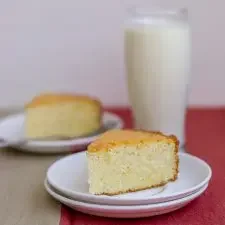
This plain vanilla sponge is a soft, lightly sweet cake made with eggs, butter and hot milk. It is a useful everyday bake for serving simply or layering with your favourite filling.
Ingredients
- 270 g (2¼ cups)plain flour
- 9 g (2¼ teaspoons)baking powder
- 300–400 g (1½–2 cups)sugar
- 4eggs, at room temperature
- 113 g (½ cup)butter, melted
- 300 ml (1¼ cups)milk
- 5 ml (1 teaspoon)vanilla extract
Instructions
- 1
Heat the oven
Preheat the oven to 180°C (350°F).
- 2
Prepare the tins
Grease and line two 20 cm (8-inch) round cake tins, then set them aside.
- 3
Warm the eggs
Put the eggs, sugar and vanilla in a large mixing bowl and set it over a pan of simmering water. Stir constantly for 3–5 minutes, until the mixture is slightly hot and the sugar has dissolved completely. Rub a little between your fingers: it should feel smooth, not grainy.
- 4
Whisk until airy
Beat the mixture on high for 5 minutes, or until it has tripled in volume. With a hand-held electric beater, this may take at least 10 minutes.
- 5
Add the flour
Combine the flour and baking powder and sift them together. Add them to the egg mixture and whisk until smooth.
- 6
Warm milk and butter
Heat the milk and melted butter in a small saucepan until the mixture is slightly hot. Pour it into the batter and gently whisk to fold it in.
- 7
Bake the cakes
The batter will be fairly thin. Divide it between the two prepared tins and bake for 40 minutes, or until a toothpick inserted into the centre comes out clean. Cool the cakes on a wire rack.
What is vanilla sponge cake?
Vanilla sponge is a light cake whose rise comes largely from air beaten into the eggs. This American-style version adds melted butter and hot milk for a tender, moist crumb.
Eggs and sugar are warmed together before whisking, helping the sugar dissolve and giving the mixture a smooth base. The method then folds in flour and warm dairy for a simple two-layer cake.
Nutrition and macros by portion
The nutrition label shows one serving as written: 302 calories, 5g protein, 48g carbs, 10g fat.
| Portion | Adjustment | kcal | Protein | Carbs | Fat |
|---|---|---|---|---|---|
| Lighter | Use 300 g sugar | 211 kcal | 4g | 34g | 7g |
| This serving | As written | 302 kcal | 5g | 48g | 10g |
| Hungry | Serve a larger slice | 453 kcal | 8g | 72g | 16g |
Flour and sugar provide most of the carbohydrates, while butter and eggs contribute much of the fat; eggs, flour and milk also supply the protein. Serve a slice with fresh fruit, or alongside a meal with a source of protein, to balance the plate.
Choosing the ingredients
Flour and baking powder: Sifting them together helps distribute the raising agent and reduces lumps before they meet the airy egg mixture.
Sugar: Use 300 g for a less sweet cake or up to 400 g for a sweeter result. Real vanilla extract gives the cake its main flavour.
Butter and milk: The recipe uses melted butter and milk warmed together. Keep them only slightly hot, as directed, before folding them into the batter.
Build volume with the eggs
Warm the eggs, sugar and vanilla over gently simmering water, stirring continuously. The bowl should sit above the water rather than in it, so the mixture warms gradually.
Beat until the mixture has tripled in volume. This aeration is central to the sponge’s texture, so avoid rushing the whisking stage.
Fold without losing air
Sift the flour mixture into the eggs and whisk just until smooth, as the method specifies. Then add the warm milk and butter and fold them in gently.
The finished batter is meant to be thin rather than stiff. Divide it between the prepared tins without waiting around, so the beaten mixture can go straight into the oven.
Check the bake
Bake at 180°C (350°F) for 40 minutes, then test the centre with a toothpick. It should come out clean; if it does not, continue baking until it does.
Let the cakes cool on a wire rack after baking. This helps them cool evenly before you serve or layer them.
Serving ideas
Serve slices plain with tea or coffee, or add fresh fruit and a spoonful of cream for a simple dessert. The two layers also make the cake easy to fill with jam, buttercream or another favourite filling.
For a balanced plate, pair a modest slice with fruit rather than adding a heavy topping.
Recipe notes & tips
- Bring the eggs to room temperature before starting, as specified in the ingredient list.
- Keep stirring the egg mixture over the simmering water so it warms evenly and does not curdle.
- Check that the sugar has dissolved by rubbing a little of the mixture between your fingers.
- Use a large bowl for whisking so the egg mixture has room to expand.
- Prepare and line both tins before you make the batter, so it can be baked promptly.
- Cool the cakes on a wire rack before filling or serving.
Variations
- Lower sweetness: Use 300 g sugar for the lighter-sweet version described in the recipe.
- Jam filling: Spread jam between the cooled layers for a simple filled cake.
- Cream filling: Add whipped cream between the layers shortly before serving.
- Fruit topping: Serve slices with fresh berries or other fruit.
- Flavoured filling: Use your preferred buttercream between the layers while keeping the sponge plain.
Common mistakes to avoid
- Grainy egg mixture: Keep stirring over the simmering water until the sugar has dissolved.
- Curdled eggs: Warm the mixture gently and stir constantly rather than leaving it unattended.
- Under-whisked eggs: Continue beating until the mixture has tripled in volume.
- Lumpy flour: Sift the flour and baking powder together before adding them.
- Dense sponge: Fold in the warm milk mixture gently rather than beating vigorously.
- Unbaked centre: Test with a toothpick and bake beyond 40 minutes if it does not come out clean.
How to store
Once completely cool, store the cakes in an airtight container at room temperature for up to 3 days. Reheat individual slices briefly if you prefer them warm, or serve at room temperature.
Frequently asked questions
Can I use 300 g of sugar?
Yes. The recipe gives a range of 300–400 g and recommends the lower amount for a less sweet cake.
How do I know when the egg mixture is ready?
After warming, it should feel smooth between your fingers, with no sugar grains. Once beaten, it should have tripled in volume.
Why is the batter thin?
The recipe says the batter will not be thick. Divide it between the prepared tins and bake as directed.
Can I bake this in one tin?
The method is written for two 20 cm (8-inch) round tins. A different tin size or arrangement may change the baking time.
How can I tell when the cakes are done?
At 40 minutes, insert a toothpick into the centre. The cakes are ready when it comes out clean.
Can I make the cake ahead?
Yes. Cool the cakes completely and keep them in an airtight container for up to 3 days before serving.
Cook it from the original
This recipe comes from kannammacooks.com. Their page has the author’s own photos, notes and tips — the best place to cook it from.
Open the recipe on kannammacooks.com