
Tori Karaage (Japanese fried chicken)
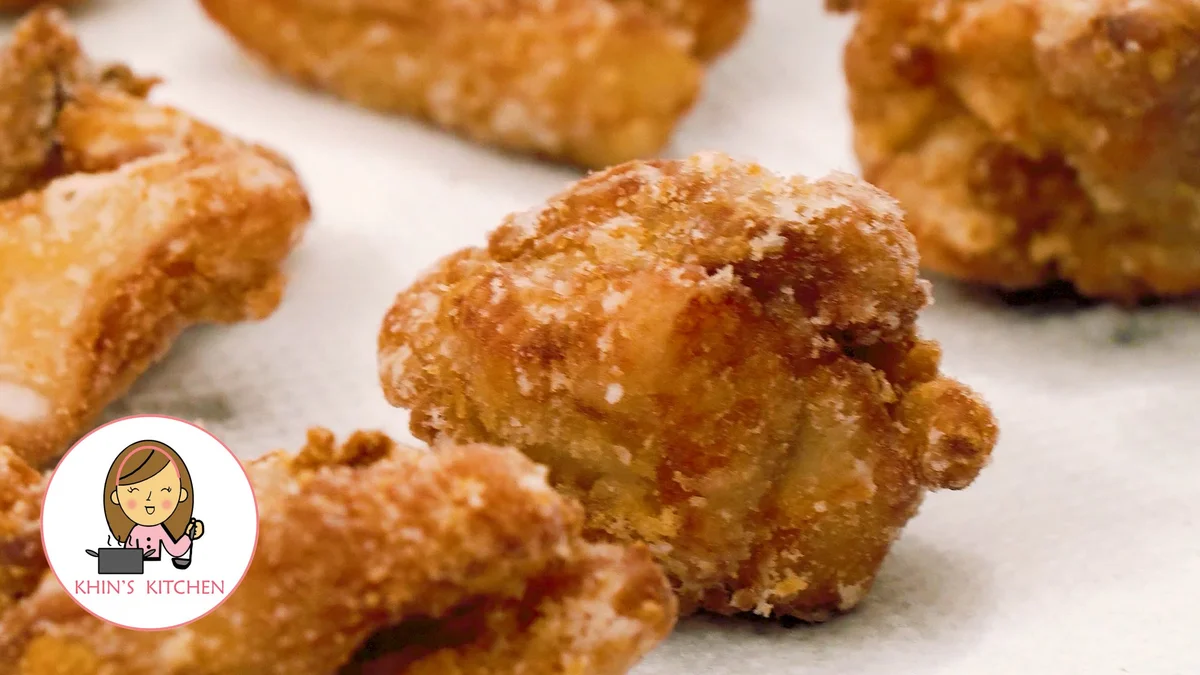
Tori karaage is Japanese fried chicken, seasoned with ginger, garlic, soy and mirin, then coated in a crisp starch-and-flour mixture. Serve it hot with lemon and mayonnaise as a snack or appetiser.
Ingredients
- 300 gBoneless chicken thigh, cut into medium bite-size pieces
- 65 g (½ cup)Potato starch, or cornflour
- 43 g (⅓ cup)Plain flour
- 2–3 wedgesLemon, to garnish
- To tasteJapanese mayonnaise or regular mayonnaise, to serve
- For fryingVegetable oil or another neutral-flavoured oil
- Optional, to tasteJapanese shichimi chilli powder
- ½ tspGinger paste
- ½ tspGarlic paste
- ½ tspSalt
- ½ tspSoy sauce, all-purpose or light
- 1 tspMirin
- ½ tspBlack pepper
Instructions
- 1
Cut and season
Cut the chicken into bite-size pieces and put them in a large bowl. Add the ginger paste, garlic paste, salt, soy sauce, mirin and black pepper.
- 2
Marinate chicken
Mix the seasonings together and rub them over the chicken pieces. Set aside to marinate for 30 minutes.
- 3
Coat the chicken
Combine the potato starch and plain flour, then toss the marinated chicken in the mixture until well coated. Shake off any excess coating before frying.
- 4
First fry
Heat the oil to about 175°C (350°F). Add the coated chicken and deep-fry for 2–3 minutes, until the pieces start to float. Lift them out and leave to rest for 4–5 minutes.
- 5
Fry again
Reheat the oil to a high heat and deep-fry the chicken again until it turns crisp and golden brown.
- 6
Plate the chicken
Transfer the fried chicken pieces to a serving plate.
- 7
Serve with lemon
Garnish with lemon wedges and serve immediately while hot, with Japanese mayonnaise.
- 8
Add shichimi
If using, sprinkle Japanese shichimi chilli powder over the mayonnaise.
What is tori karaage?
Tori karaage is Japan’s take on fried chicken: small pieces of chicken are seasoned, coated and fried until crisp. Karaage refers to a style of frying, and chicken is a popular choice for it.
This version uses ginger, garlic, soy sauce and mirin for savoury seasoning, with a potato-starch and flour coating. A second fry helps crisp the outside while the thigh meat stays succulent.
Nutrition and macros by portion
The nutrition label shows one serving as written: 294 calories, 18g protein, 16g carbs, 17g fat.
| Portion | Adjustment | kcal | Protein | Carbs | Fat |
|---|---|---|---|---|---|
| Lighter | Less mayonnaise, more salad | 206 kcal | 13g | 11g | 12g |
| This serving | As written | 294 kcal | 18g | 16g | 17g |
| Hungry | Larger chicken portion | 441 kcal | 27g | 24g | 26g |
The chicken supplies most of the protein, while the potato starch and flour provide most of the carbohydrate. The frying oil and mayonnaise contribute much of the fat. Serve the karaage with a generous portion of vegetables or salad to round out the plate.
Seasoning the chicken
Ginger and garlic: the pastes spread easily over small chicken pieces and bring aromatic flavour to the marinade.
Soy and mirin: soy sauce adds saltiness, while mirin lends a gentle sweetness. The recipe marinates the chicken for 30 minutes, giving the seasoning time to coat each piece.
Getting a crisp coating
Starch and flour: potato starch forms the crisp outer layer, while plain flour adds a little structure. Cornflour is listed as an alternative to potato starch.
Even coating: toss the chicken until the pieces are covered, then shake off the loose excess. Too much loose coating can fall away in the oil.
Why fry twice?
First fry: cook the pieces for 2–3 minutes, until they begin to float, then lift them out and rest them for 4–5 minutes.
Second fry: return the chicken to reheated oil and cook until the coating is crisp and golden brown. The recipe does not specify a second-fry time, so use the colour and crispness as your cue.
Serving the karaage
Lemon wedges: squeeze a little over the hot chicken to add a sharp, fresh contrast to the savoury coating.
Mayonnaise: serve it alongside for dipping. Shichimi chilli powder is optional and can be sprinkled over the mayonnaise for a hint of heat.
Timing and frying setup
The stated total time is 35 minutes, while the method includes a 30-minute marinade as well as frying and resting. Have the coating, plate and accompaniments ready before the chicken comes out of the marinade.
Work in batches if needed so the pieces can move freely in the oil. Keep the oil around 175°C for the first fry, then reheat it before the second.
Recipe notes & tips
- Cut the chicken into pieces of similar size so they cook at a similar pace.
- Measure out the coating before you start frying to make the transfer quicker.
- Shake off loose flour and starch before lowering each piece into the oil.
- Allow the first-fried pieces to rest for the full 4–5 minutes before frying again.
- Serve the chicken soon after the second fry for the crispest coating.
Variations
- Use cornflour: swap it for the potato starch if that is what you have.
- Add shichimi: sprinkle the Japanese chilli seasoning over the mayonnaise for a spicy finish.
- Choose light soy: use light soy sauce for the marinade as suggested in the ingredient list.
- Serve with extra lemon: offer additional wedges for a brighter, citrusy bite.
Common mistakes to avoid
- Skipping the marinade: leave the chicken for the stated 30 minutes so the seasoning can coat the pieces.
- Leaving excess coating on: shake off loose flour and starch before frying to avoid a heavy coating.
- Frying in crowded batches: leave room around the chicken so pieces can fry freely; cook in batches if needed.
- Skipping the rest: give the first-fried chicken 4–5 minutes before returning it to the oil.
- Stopping at the first fry: fry a second time until the coating is crisp and golden brown.
How to store
Refrigerate leftover karaage in a covered container and eat within 3 days. Reheat in an oven or air fryer until hot throughout to help restore some crispness; the coating may soften in storage.
Frequently asked questions
Can I use cornflour instead of potato starch?
Yes. Cornflour is given as an alternative in the recipe, though the coating may have a slightly different texture.
How long should I marinate the chicken?
The method specifies 30 minutes. Keep the chicken refrigerated while it marinates.
Why is the chicken fried twice?
The first fry cooks the pieces and the second helps make the coating crisper and more golden. Let the chicken rest for 4–5 minutes between fries.
How do I know when the karaage is done?
The method uses the chicken beginning to float as the cue to remove it from the first fry, then calls for a crisp, golden-brown coating after the second. Check that the chicken is cooked through before serving.
What can I serve with tori karaage?
Serve it with lemon wedges and Japanese or regular mayonnaise as the recipe suggests. Salad or vegetables also make a useful accompaniment.
Is shichimi chilli powder essential?
No, it is optional. You can leave it out or sprinkle it over the mayonnaise for a spicier serving.
Cook it from the original
This recipe comes from khinskitchen.com. Their page has the author’s own photos, notes and tips — the best place to cook it from.
Open the recipe on khinskitchen.com