
Chinese Style Sweet and Sour Fish
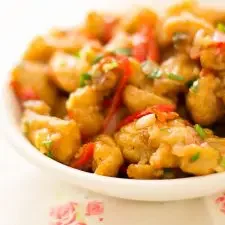
This Chinese-style sweet and sour fish pairs lightly fried, crisp-edged pieces of mild fish with a glossy sauce, garlic and vegetables. It is a good choice when you want a quick, flavourful main to serve with rice or noodles.
Ingredients
- 1egg
- ½ teaspoonground pepper
- ½ teaspoonsalt
- ½ teaspoonsoy sauce
- 32 g (¼ cup)cornflour
- 300 gwhite fish fillet, cut into pieces (cod, snapper, tilapia, basa or another mild fish)
- as neededvegetable oil or refined peanut oil, for deep-frying
- 1 tablespooncornflour
- 60 ml (¼ cup)water
- 1 teaspoonhoney
- 1 teaspoonsoy sauce
- 1 teaspoonrice vinegar (or apple cider vinegar)
- 2 tablespoonswater, to dilute the sauce
- 1 tablespoonpeanut oil
- 2 tablespoonsminced garlic
- 60 ml (¼ cup)chopped onion
- 60 ml (¼ cup)sliced red pepper
- 60 ml (¼ cup)sliced spring onion
Instructions
- 1
Mix the coating
In a bowl, beat the egg with ½ teaspoon each of salt and ground pepper. Stir in 32 g (¼ cup) cornflour and ½ teaspoon soy sauce, then add the fish pieces and mix to coat.
- 2
Marinate and fry
Leave the fish in the batter for 15–20 minutes. Heat enough vegetable or refined peanut oil in a pan for deep-frying. When hot, fry the fish until lightly browned, about 2 minutes. Lift it out, drain on paper towels and set aside.
- 3
Make the slurry
Mix 1 tablespoon cornflour with 60 ml (¼ cup) water to make a smooth slurry. Set it aside.
- 4
Cook the sauce
Heat 1 tablespoon peanut oil in a skillet. When shimmering, add the garlic and fry until it starts to brown. Add the onion and red pepper and fry briefly for 1 minute. Stir in the honey, 1 teaspoon soy sauce, vinegar and 2 tablespoons water, then simmer for 1 minute. Add the cornflour slurry and stir-fry for 10 seconds.
- 5
Coat the fish
Once the sauce thickens, add the fried fish and spring onion. Toss until the pieces are evenly coated, then take the pan off the heat.
- 6
Serve hot
Serve the fish hot with rice or noodles.
What is Chinese-style sweet and sour fish?
It is a fish dish built around the contrast of a tangy, sweet sauce and savoury, lightly fried pieces. Sweet-and-sour flavours appear in many Chinese cooking traditions, with plenty of regional and household variations.
This version, adapted from Chef Martin Yan, keeps the sauce simple: honey, soy sauce and vinegar meet garlic, onion and red pepper. Mild white fish lets those flavours come through without overpowering the dish.
Nutrition and macros by portion
The nutrition label shows one serving as written: 345 calories, 18g protein, 24g carbs, 19g fat.
| Portion | Adjustment | kcal | Protein | Carbs | Fat |
|---|---|---|---|---|---|
| Lighter | Use less frying oil | 241 kcal | 13g | 17g | 13g |
| This serving | As written | 345 kcal | 18g | 24g | 19g |
| Hungry | Add more rice | 518 kcal | 27g | 36g | 29g |
The fish provides most of the protein, while the cornflour coating and honey contribute carbohydrates. Frying oil and the peanut oil in the sauce supply most of the fat; serve with a generous portion of vegetables or a modest helping of rice to round out the plate.
Choosing the fish
Mild fillets: Cod, snapper, tilapia and basa are all suggested options. Cut the fish into pieces of similar size so they cook at roughly the same pace.
Handle gently: Fish can break apart when tossed, especially after frying. Use a broad spoon or spatula and fold it through the sauce rather than stirring vigorously.
The batter and frying
Even coating: Mix the egg, cornflour, seasoning and soy sauce before adding the fish. The 15–20-minute rest gives the coating time to cling to the pieces.
Hot oil: Fry until the fish is lightly browned, about 2 minutes as specified. Work in batches if needed so the pan does not become crowded, then drain the pieces on paper towels.
Getting the sauce right
Cornflour slurry: Stir the tablespoon of cornflour into the measured water until smooth before it goes into the skillet. This helps it thicken the sauce evenly.
Quick thickening: The sauce thickens rapidly once the slurry hits the hot pan, so stir for the stated 10 seconds and move straight on to adding the fish.
Timing the vegetables
Garlic first: Fry it until it just starts to brown, then add the onion and red pepper for a brief minute. This keeps the aromatics fragrant while leaving the vegetables some texture.
Spring onion last: Add it with the fried fish, after the sauce has thickened. That short contact with the hot sauce keeps it fresh-tasting.
What to serve alongside
Rice: Plain steamed rice soaks up the sweet-and-sour sauce and makes a straightforward accompaniment.
Noodles: Serve with plain noodles for a different base. Keep the side simply seasoned so it does not compete with the sauce.
Recipe notes & tips
- Pat the fish dry before coating so excess moisture does not loosen the batter.
- Mix the cornflour slurry again just before adding it, as the starch can settle.
- Have the sauce ingredients measured before you begin frying the garlic.
- Lift the fried fish out with a slotted utensil so excess oil can drain away.
- Toss the fish gently once it is in the thickened sauce to help keep the pieces intact.
Variations
- Use apple cider vinegar: Swap it for the rice vinegar as in the suggested alternative.
- Change the fish: Choose another mild white fish and cut it into evenly sized pieces.
- Add extra pepper: Increase the red pepper for more vegetable crunch.
- Adjust the tang: Add a little more vinegar if you prefer a sharper sauce.
- Serve with noodles: Use plain noodles instead of rice to accompany the fish.
Common mistakes to avoid
- Crowding the frying pan: The fish may cook unevenly; fry it in batches if needed.
- Adding dry cornflour: It can form lumps; first mix it into the measured water.
- Overcooking the garlic: It can turn bitter; add the vegetables as soon as it starts to brown.
- Leaving the slurry to settle: Stir it again before pouring it into the skillet.
- Tossing roughly: The fish can break up; fold it through the sauce gently.
How to store
Refrigerate leftovers in a covered container and eat within 2 days. Reheat gently in a pan until hot throughout; the coating will soften as it sits, so it is best freshly made.
Frequently asked questions
Can I use frozen fish?
Yes, thaw it completely and pat it dry before cutting and coating. Excess water can make the batter less likely to cling.
Can I make this without deep-frying?
The method calls for deep-frying, which gives the fish its browned coating. Shallow-frying in batches is an alternative, though the pieces may brown less evenly.
Can I prepare the sauce ahead?
You can measure the sauce ingredients and mix the cornflour slurry in advance. Stir the slurry again before using, and thicken the sauce just before adding the fish.
How do I know the fish is cooked?
The recipe gives about 2 minutes, until the coating is lightly browned. Check that the fish is opaque and flakes easily before taking it out.
Can I use another vinegar?
Yes. Apple cider vinegar is given as an alternative to rice vinegar; the taste will be slightly different.
What should I serve with it?
Serve it hot with rice or noodles, as suggested in the method.
Cook it from the original
This recipe comes from kannammacooks.com. Their page has the author’s own photos, notes and tips — the best place to cook it from.
Open the recipe on kannammacooks.com