
Spaghetti Carbonara
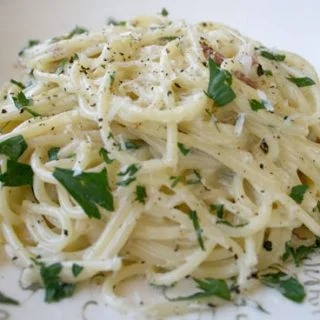
This spaghetti carbonara combines pasta and crisp pancetta with a creamy sauce made from eggs, Parmesan and a little cream. It is a quick, satisfying meal for a weeknight, ready in about 30 minutes.
Ingredients
- 113 g (4 oz)Pancetta, chopped
- 3Garlic cloves, finely chopped
- 60 ml (¼ cup)White wine
- 80 ml (⅓ cup)Double cream
- 1 largeEgg
- 1Egg yolk
- About 65 g (⅔ cup)Parmesan cheese, grated
- To tasteSalt and pepper
- 45 ml (3 tablespoons)Fresh parsley, finely chopped
- 454 g (1 pound)Spaghetti
Instructions
- 1
Cook pancetta
Cook the pancetta and garlic in a pan over medium heat until golden.
- 2
Add the wine
Pour the wine into the pan and cook until it has almost evaporated.
- 3
Stir in cream
Take the pan off the heat and stir in the cream.
- 4
Cook the pasta
Cook the spaghetti until al dente.
- 5
Mix the eggs
Whisk the egg and egg yolk with the parsley and Parmesan.
- 6
Combine with pasta
Pour the pancetta and cream mixture over the cooked pasta and mix thoroughly.
- 7
Add egg mixture
Add the egg mixture, season with salt and pepper to taste, and mix well.
- 8
Serve the pasta
Serve, with extra cheese offered if desired.
What is spaghetti carbonara?
Carbonara is a pasta dish associated with Rome, traditionally made by coating hot pasta with eggs, cheese and cured pork. This version includes cream and parsley, making a smooth, rich sauce with a fresh herbal note.
The method relies on combining the egg mixture with hot pasta so it thickens into a coating rather than a separate scrambled layer.
Nutrition and macros by portion
The nutrition label shows one serving as written: 740 calories, 30g protein, 83g carbs, 32g fat.
| Portion | Adjustment | kcal | Protein | Carbs | Fat |
|---|---|---|---|---|---|
| Lighter | Use less cream | 518 kcal | 21g | 58g | 22g |
| This serving | As written | 740 kcal | 30g | 83g | 32g |
| Hungry | Serve a larger portion | 1110 kcal | 45g | 125g | 48g |
Most of the carbohydrates come from the spaghetti, while pancetta, cream, egg and Parmesan contribute much of the fat. The eggs, pancetta and cheese also provide protein. Pair a serving with salad or green vegetables for a more balanced plate.
Why this ingredient combination works
Pancetta: it brings savoury, salty richness, while garlic and white wine add aromatic depth to the pan juices.
Eggs and Parmesan: the whole egg and yolk help create a silky coating, and the grated cheese adds savoury flavour. Cream softens the mixture and helps keep the sauce smooth.
Getting the sauce right
Off the heat: adding the cream after removing the pan from the hob prevents it from boiling as the sauce is assembled.
Hot pasta: mix the egg mixture through the cooked spaghetti promptly. The residual heat thickens it; direct high heat can make the eggs set too quickly.
Look for these texture cues
Pancetta: cook until golden, as directed, so it has colour and the garlic is fragrant without burning.
Pasta: stop cooking when it is al dente, with a slight firmness at the centre. Once combined, the sauce should cling to the strands rather than pool at the bottom.
Make the timing work
Prepare the egg, parsley and Parmesan mixture while the pasta cooks, and keep it ready beside the hob. The pancetta mixture can be made during that time too.
Have the cooked pasta and sauce components ready to combine straight away. The recipe gives no exact cooking time for the spaghetti, so use the packet guidance as a starting point.
What to serve alongside
A crisp green salad or simply dressed leaves make a fresh contrast to the creamy pasta. Steamed or lightly cooked green vegetables also work well.
Serve the spaghetti promptly, with extra Parmesan at the table if wanted. Because the pancetta and cheese are already savoury, taste before adding much salt.
Recipe notes & tips
- Grate the Parmesan finely so it blends more easily into the egg mixture.
- Chop the garlic finely to help it cook evenly with the pancetta.
- Take the pancetta pan off the heat before stirring in the cream.
- Mix the egg mixture into the hot pasta promptly for an even coating.
- Taste before adding salt, as pancetta and Parmesan are both savoury.
Variations
- Add black pepper: use a generous grind at the table for extra warmth.
- Use Pecorino: replace some or all of the Parmesan with finely grated Pecorino for a sharper, saltier flavour.
- Add peas: stir cooked peas through the pasta for a little sweetness and colour.
- Change the herbs: use finely chopped chives in place of parsley for a different fresh note.
Common mistakes to avoid
- Burning the garlic: cook it with the pancetta over medium heat and watch closely as it turns golden.
- Overcooking the pasta: cook it only until al dente so it holds its texture when mixed with the sauce.
- Scrambling the eggs: remove the pan from the heat and mix the egg mixture through the hot pasta rather than cooking it over a strong flame.
- Adding too much salt: taste the finished dish first because pancetta and Parmesan already bring saltiness.
- Letting the pasta stand: serve as soon as it is mixed, while the sauce is smooth and warm.
How to store
Refrigerate leftovers in a covered container for up to 2 days. Reheat gently in a pan over low heat, stirring often; the sauce may thicken, so add a small splash of water if needed.
Frequently asked questions
Can I make this without cream?
Yes. Leave it out for a less creamy version, though the sauce will have a different texture from the one described here.
How do I stop the eggs from scrambling?
Take the pancetta pan off the heat and mix the egg mixture through the hot pasta promptly. Avoid returning the combined pasta to high heat.
Can I use bacon instead of pancetta?
Yes, chopped bacon can stand in for pancetta. Its flavour and saltiness may differ, so taste before seasoning.
What does al dente mean?
It means the spaghetti is cooked through but still has a slight firmness when bitten. Use the packet timing as a guide and check near the end.
Can I prepare the sauce ahead?
You can mix the eggs, parsley and Parmesan shortly ahead, but combine them with the hot pasta just before serving for the best texture.
Cook it from the original
This recipe comes from italianfoodforever.com. Their page has the author’s own photos, notes and tips — the best place to cook it from.
Open the recipe on italianfoodforever.com