
Restaurant Style Upma Recipe (Rava Upma)
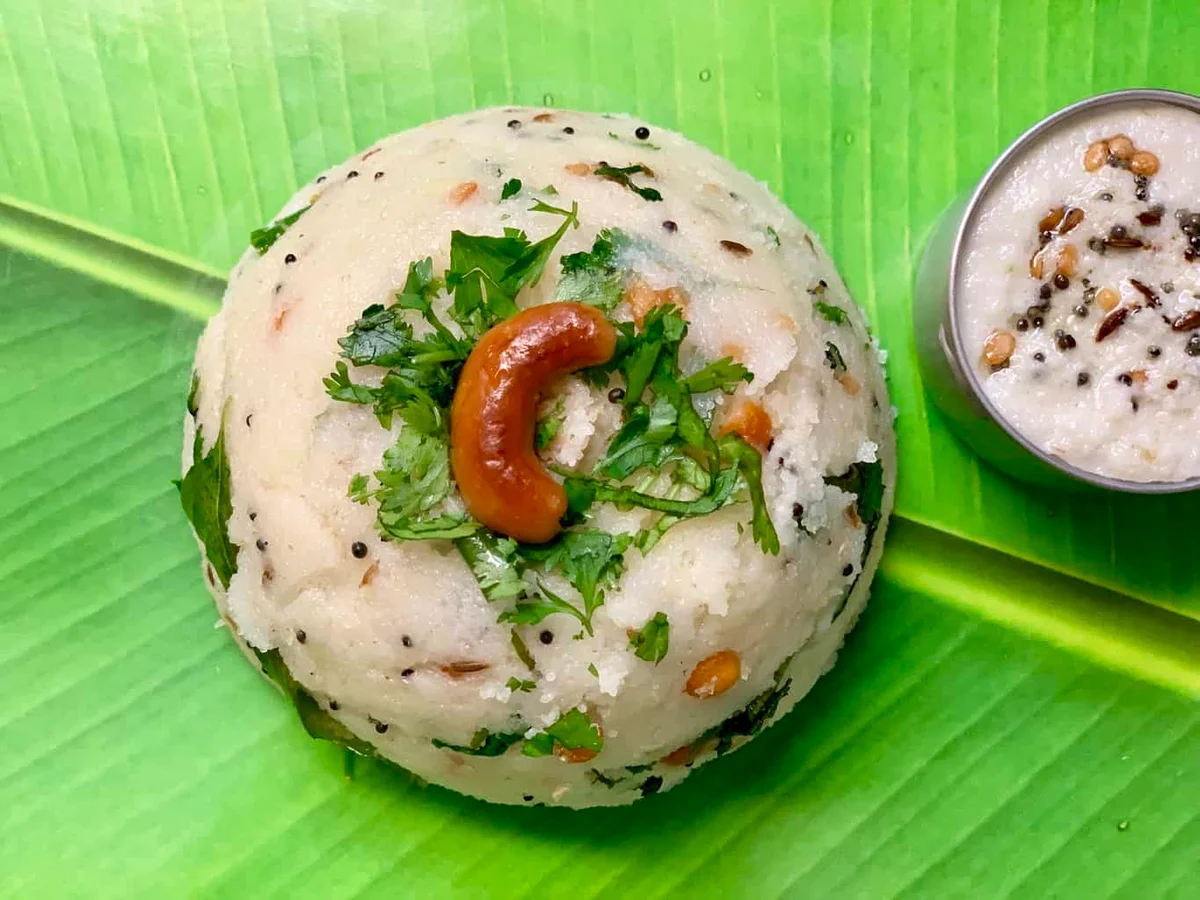
Restaurant-style rava upma is a savoury Indian breakfast made with roasted semolina, spices and a handful of aromatics. It comes together quickly in one pan, with cashews, lemon and ghee adding richness and contrast.
Ingredients
- 160 g (1 cup)sooji, semolina or rava
- 1 teaspoonjeera (cumin) seeds
- 30 ml (2 tablespoons)oil or ghee
- 1 teaspoonmustard seeds
- 2 teaspoonssplit urad dal
- 2 teaspoonssplit chana dal
- 8–10cashew nuts
- 1 teaspoonminced ginger
- 3green chillies, finely chopped
- 2 stalkscurry leaves
- A big pinchasafoetida (hing)
- 600 ml (2½ cups)water
- 120 ml (½ cup)milk
- To tastesalt
- Juice of ½ lemonlemon juice
- 2 tablespoonscoriander leaves (cilantro)
- 30 g (2 tablespoons)ghee
Instructions
- 1
Roast semolina
On a medium-low heat, roast the semolina with 1 teaspoon of cumin in a pan until fragrant. Take care not to scorch or brown it on the bottom. Tip it into a clean, dry bowl or plate; you can do this ahead of time.
- 2
Fry the tempering
Add the oil to a heavy-based pan. Add the mustard seeds, chana dal, urad dal and cashews, and sauté for 1 minute, until they change colour.
- 3
Add aromatics
Stir in the chopped ginger, green chillies, asafoetida and curry leaves. Sauté for a further 20 seconds.
- 4
Bring to boil
Pour in the water and milk and bring the mixture to a boil. Hold back the salt until it boils, as the recipe warns that adding it earlier may cause the milk to curdle.
- 5
Stir in semolina
Once the water and milk are boiling, add the salt. Gradually add the roasted semolina and cumin, stirring continuously in one direction with a spatula after each addition to prevent lumps.
- 6
Cover and cook
Cover the pan with a lid and reduce the heat to low. Cook for 2–3 minutes, until the moisture has been absorbed, then turn off the heat.
- 7
Finish with ghee
Remove the lid and add the lemon juice, coriander leaves and 2 tablespoons of ghee. The ghee is optional but recommended; mix everything well.
- 8
Serve while hot
Serve hot with coconut chutney, pickle and sambar.
What is rava upma?
Upma is a savoury South Indian dish commonly served for breakfast, made by cooking semolina with water and a spiced tempering. Rava is another name for semolina, while sooji is a closely related term used for the same ingredient.
This version combines roasted semolina with mustard seeds, lentils, curry leaves and chillies, then finishes with lemon, coriander and ghee. Milk gives the cooking liquid a richer character, while the gradual addition of semolina helps keep the mixture smooth.
Nutrition and macros by portion
The nutrition label shows one serving as written: 132 calories, 4g protein, 21g carbs, 4g fat.
| Portion | Adjustment | kcal | Protein | Carbs | Fat |
|---|---|---|---|---|---|
| Lighter | Use less finishing ghee | 92 kcal | 2g | 15g | 3g |
| This serving | As written | 132 kcal | 4g | 21g | 4g |
| Hungry | Serve a larger portion | 198 kcal | 5g | 32g | 6g |
Semolina supplies most of the carbohydrates, while the oil and finishing ghee contribute much of the fat; the dals, cashews and milk add some protein. Serve a portion with sambar or another vegetable-rich side to round out the plate.
Roasting the semolina
Dry roast: Keep the heat at medium-low and stir or move the semolina as it warms. Stop once it smells fragrant; browning or scorching can give it a harsh taste.
Make ahead: The recipe allows the roasted semolina and cumin to be prepared in advance. Keep them in a clean, dry bowl until you are ready to cook.
Building the tempering
Seeds and dals: Add the mustard seeds, split lentils and cashews to the hot oil, then sauté them for 1 minute as directed. This brief frying gives the tempering its savoury base.
Aromatics: Ginger, green chillies, asafoetida and curry leaves need only 20 seconds in the pan. Keep them moving so they release their fragrance without burning.
Avoiding lumps
Add gradually: Once the milk and water have boiled and you have added salt, sprinkle in the roasted semolina in small additions. Stir continuously in one direction after each addition, rather than tipping it all in at once.
Keep stirring: Use a spatula to work through the mixture as it thickens. This is the key step for an even, lump-free texture.
Checking the texture
Absorption: After 2–3 minutes covered on low heat, the recipe says the moisture should be absorbed. If you can still see a pool of liquid, give it a little more time while keeping the heat low.
Finish: Stir in the lemon, coriander and ghee after turning off the heat. The result should be moist and cohesive rather than dry or browned.
Serving the upma
Accompaniments: The recipe suggests coconut chutney, pickle and sambar. Their different textures and flavours make a simple bowl of upma feel like a fuller breakfast.
Serve it hot, soon after mixing in the finishing ingredients. The fresh lemon and coriander are most noticeable at this point.
Recipe notes & tips
- Roast the semolina gently and stop when it smells fragrant.
- Prepare the roasted semolina and cumin ahead for a quicker breakfast.
- Wait until the water and milk boil before adding salt, as directed in the method.
- Add the semolina in small amounts while stirring continuously to help prevent lumps.
- Keep the ginger, chillies and curry leaves moving during their brief sauté.
- Add the lemon, coriander and ghee after turning off the heat.
Variations
- Adjust the heat: Use fewer green chillies for a milder bowl.
- Skip the cashews: Leave them out if you prefer upma without nuts.
- Use oil: Choose oil instead of ghee for the initial tempering.
- Omit finishing ghee: Leave out the final ghee if you want a less rich finish.
- Add vegetables: Stir cooked vegetables into the tempering before adding the water and milk.
Common mistakes to avoid
- Scorching the semolina: Keep the heat medium-low and remove it as soon as it smells fragrant.
- Adding semolina all at once: Add it gradually and stir after every addition.
- Stopping the stirring: Keep stirring continuously while adding the semolina to prevent lumps.
- Adding salt before boiling: Wait until the water and milk come to a boil, as the method cautions that milk may curdle.
- Overcooking the aromatics: Sauté them for only the stated 20 seconds.
- Skipping the covered rest: Cook covered on low for 2–3 minutes so the moisture can be absorbed.
How to store
Refrigerate leftovers in a covered container and eat within 2 days. Reheat gently in a pan or microwave, adding a small splash of water if the upma has become dry.
Frequently asked questions
Can I roast the semolina in advance?
Yes. The method specifically notes that you can roast the semolina with the cumin ahead of time and keep it in a clean, dry bowl until needed.
How do I keep the upma from becoming lumpy?
Add the roasted semolina a little at a time to the boiling liquid, stirring continuously in one direction after each addition.
When should I add the salt?
Add it once the water and milk have come to a boil. The method warns that adding salt earlier may cause the milk to curdle.
Can I leave out the finishing ghee?
Yes. The recipe describes the final 2 tablespoons of ghee as optional, though recommended.
What can I serve with rava upma?
Serve it hot with coconut chutney, pickle and sambar, as suggested in the recipe.
Cook it from the original
This recipe comes from indianveggiedelight.com. Their page has the author’s own photos, notes and tips — the best place to cook it from.
Open the recipe on indianveggiedelight.com