
Instant Pot Vegetable Kurma (Mix Veg Korma)
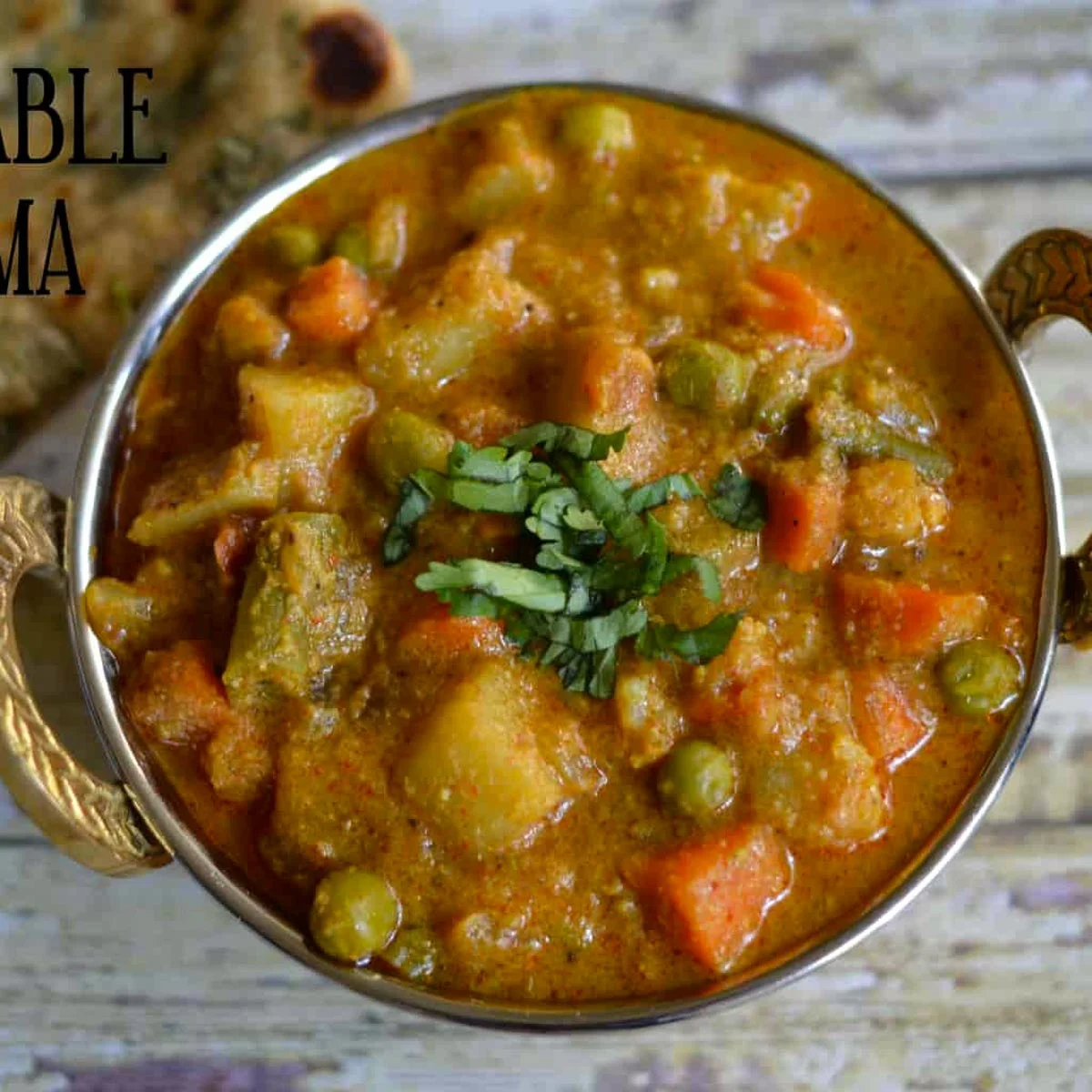
Instant Pot vegetable kurma is a Karnataka-style curry of mixed vegetables in a creamy, aromatic coconut, cashew and spice gravy. It makes a warming meal in a short pressure-cooking time and pairs well with flatbreads or pooris.
Ingredients
- 45 g (½ cup)grated coconut, fresh or frozen
- 6–7cashew nuts
- 1 tablespoonfried gram (roasted chana dal)
- 2.5 cm (1 inch)ginger
- 2garlic cloves
- 1green chilli
- 2cardamom pods
- 2cloves
- 2.5 cm (1 inch)cinnamon stick
- 1 teaspoonfennel seeds
- 1 teaspooncoriander seeds or coriander powder
- ½ teaspooncumin seeds or cumin powder
- 60 ml (¼ cup), for grindingwater
- 600 g (4 cups)mixed vegetables, such as carrot, green beans, cauliflower, potato and peas
- 150 g (1 cup)onion, finely chopped
- 75 g (½ cup)tomato, finely chopped
- 1 teaspoonred chilli powder
- ½ teaspoonturmeric powder
- ½ teaspoongaram masala
- 1 tablespooncurd (yoghurt) or vegan yoghurt, optional
- To tastesalt
- 360 ml (1½ cups), or as requiredwater
- 2 tablespoonsoil
- 1 tablespooncoriander leaves
- 1 tablespoonlime juice
Instructions
- 1
Make the paste
Blend the coconut, cashews, fried gram, ginger, garlic, green chilli, cardamom, cloves, cinnamon, fennel, coriander and cumin with 60 ml (¼ cup) water until smooth. Set the paste aside.
- 2
Sauté the onion
Press SAUTE on the Instant Pot and add the oil. When the pot is hot, add the bay leaf and onion; sauté for 2 minutes, until the onion is light brown.
- 3
Cook the tomato
Add the chopped tomato and cook until soft.
- 4
Fry the spices
Add the prepared coconut-cashew paste, red chilli powder, turmeric, garam masala and curd. Stir continuously for 2 minutes, until the raw smell has gone.
- 5
Add vegetables
Add the mixed vegetables, salt and 360 ml (1½ cups) water, or as required. Stir to combine.
- 6
Pressure cook
Close the lid and set the pressure valve to Sealing. Cook on High Pressure for 3 minutes.
- 7
Release pressure
When the pot beeps, use Quick Release. Remove the lid, directing it away from you.
- 8
Finish and serve
Stir in the lime juice and garnish with coriander leaves. Mix well and serve hot with pooris, chapatis, roti or parathas.
What is vegetable kurma?
Kurma, also called korma, is a family of South Asian dishes built around vegetables or meat cooked in a richly flavoured sauce. This version is associated with Karnataka and uses coconut, cashews, yoghurt and spices for its creamy, aromatic gravy.
Here, the sauce is blended before cooking and the vegetables cook under pressure, making this a practical one-pot take on the dish.
Nutrition and macros by portion
The nutrition label shows one serving as written: 145 calories, 4g protein, 17g carbs, 7g fat.
| Portion | Adjustment | kcal | Protein | Carbs | Fat |
|---|---|---|---|---|---|
| Lighter | Use less oil | 102 kcal | 3g | 12g | 5g |
| This serving | As written | 145 kcal | 4g | 17g | 7g |
| Hungry | Serve with extra roti | 218 kcal | 6g | 26g | 11g |
The vegetables and any potato contribute most of the carbohydrates, while the coconut, cashews and oil account for much of the fat. The vegetables, cashews and fried gram provide some protein; serve a portion with a protein-rich side, such as dal, to balance the plate.
Building the kurma paste
Coconut and cashews: These form the paste’s creamy base, while fried gram helps give it body. Blend with the measured water until as smooth as possible so the finished gravy feels cohesive.
Whole spices: Fennel, coriander, cumin, cardamom, cloves and cinnamon bring the paste its fragrance. If using the ground alternatives, blend them in the same way.
Sautéing before pressure cooking
Onion and tomato: Sauté the onion until lightly browned, then soften the tomato. This gives the sauce a savoury foundation before the blended paste goes in.
Spice paste: Stir it continuously for the full 2 minutes with the chilli powder, turmeric, garam masala and yoghurt. Keep it moving so it heats evenly and does not catch on the base.
Getting the vegetables right
Cut the vegetables into similarly sized pieces so they cook at a similar rate. The mix can include carrot, beans, cauliflower, potato and peas, as listed in the recipe.
The pressure-cooking time is short, so avoid making the pieces very large. Quick Release promptly when cooking ends to limit further softening.
Finishing the gravy
Lime juice: Add it after pressure cooking rather than before. Its fresh acidity brightens the rich coconut-and-cashew sauce.
Coriander leaves: Stir these in at the end for a fresh herbal note. Taste the finished kurma and adjust the salt if needed.
What to serve with kurma
Pooris, chapatis, roti and parathas are all suggested accompaniments. Their mild flavour and bread-like texture work well for scooping up the thick gravy.
For a fuller meal, serve alongside rice or another simple vegetable dish. Keep any additional sides lightly seasoned so the kurma remains the centrepiece.
Recipe notes & tips
- Blend the paste thoroughly for a smoother gravy.
- Cut the vegetables into evenly sized pieces for more consistent cooking.
- Stir the paste continuously for the full 2 minutes to help prevent sticking.
- Use Quick Release as soon as the cooking cycle ends to avoid overcooking the vegetables.
- Add the lime juice after cooking to keep its flavour fresh.
- Check the pot’s minimum liquid requirement and adjust the water if needed.
Variations
- Vegan version: Use vegan yoghurt or leave out the optional curd.
- Milder curry: Reduce the green chilli or red chilli powder.
- More vegetables: Use different vegetables within the listed 4-cup total.
- Ground spices: Use the listed coriander or cumin powder instead of their seeds.
- Fresh coconut: Use fresh grated coconut in place of frozen coconut.
Common mistakes to avoid
- Uneven vegetable pieces: Cut them to a similar size so they cook at the same rate.
- Lumpy paste: Blend the coconut mixture until smooth before adding it to the pot.
- Paste catching: Stir continuously while it cooks with the spices and yoghurt.
- Overcooked vegetables: Quick Release promptly when the 3-minute pressure cycle ends.
- Lime added too early: Stir it in after pressure cooking for a brighter finish.
How to store
Refrigerate leftovers in a covered container and use within 3 days. Reheat gently on the hob or in the microwave until piping hot, adding a splash of water if the gravy has thickened.
Frequently asked questions
Can I use frozen mixed vegetables?
Yes. Add them in place of the fresh vegetables, keeping the total amount at about 600 g. Frozen vegetables may turn softer, so use Quick Release promptly.
Can I leave out the yoghurt?
Yes. The recipe lists it as optional, and coconut and cashews still give the gravy a creamy base. Vegan yoghurt is another option.
Why is my kurma too thick?
The coconut and cashew paste can thicken the sauce as it stands. Stir in a little hot water until it reaches the consistency you like.
Can I make this without an Instant Pot?
Yes. The recipe also gives pressure-cooker and stovetop methods. For the stovetop version, it directs you to cook the vegetables separately first, then simmer the combined curry covered for 15 minutes, stirring occasionally.
What should I serve with vegetable kurma?
Serve it hot with pooris, chapatis, roti or parathas, as suggested in the recipe.
Cook it from the original
This recipe comes from indianveggiedelight.com. Their page has the author’s own photos, notes and tips — the best place to cook it from.
Open the recipe on indianveggiedelight.com