
Easy Dinner Rolls
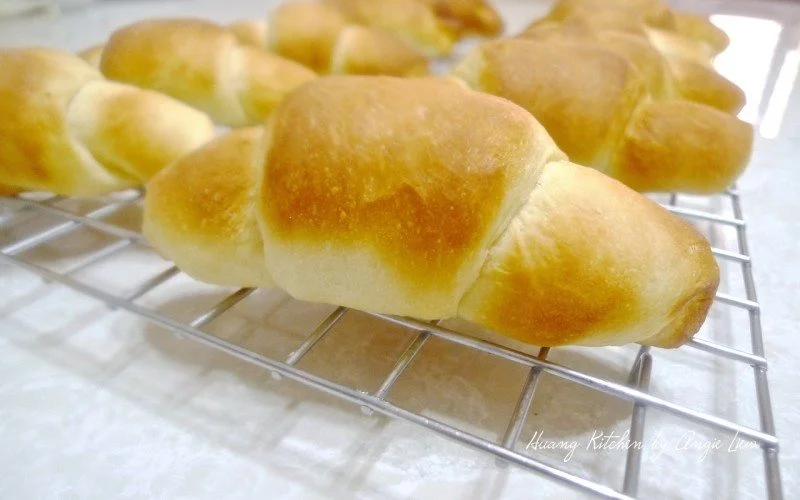
These soft, golden dinner rolls use a bread machine to make the dough, then are shaped by hand and baked in the oven. Their buttery, lightly sweet crumb makes them a lovely addition to a family meal or a basket of warm bread.
Ingredients
- 120 ml (½ cup)lukewarm water
- 2¼ tsp (about 7 g)instant dried yeast
- 120 ml (½ cup)warm milk
- 1egg, at room temperature
- 75 g (⅓ cup)butter, softened to room temperature
- 73 g (⅓ cup)sugar
- 1 tspsalt
- 470 g (3¾ cups)plain flour
- 28 g (2 tbsp)butter, melted
Instructions
- 1
Load the machine
Pour the lukewarm water into the bread machine pan, then add the dried yeast and mix until dissolved. Add the warm milk, egg, softened butter, sugar, flour and salt, in that order.
- 2
Make the dough
Close the bread machine and select the dough cycle. Press Start and leave the machine to run until the cycle is complete.
- 3
Shape the dough
Turn the dough out onto a floured surface and knead it lightly into a round. Divide it in half and roll each half into a 30 cm (12-inch) circle.
- 4
Cut the wedges
Brush melted butter over the surface of each circle. Cut each circle in half, then into quarters, then cut each quarter in half to make eight wedges per circle.
- 5
Roll and prove
Starting at the wide edge, roll each wedge gently but firmly towards its point. Place the rolls point-side down on an ungreased baking sheet, cover with a clean tea towel and leave somewhere warm for 1 hour, until doubled in size.
- 6
Bake the rolls
While the rolls prove, heat the oven to 200°C (400°F). Bake the risen rolls for 10–15 minutes, until their tops are golden brown.
- 7
Cool and serve
Move the rolls from the baking sheet to a wire rack, then transfer them to a cooling rack if needed. Serve hot.
What are dinner rolls?
Dinner rolls are small, soft breads served alongside a meal, especially in the United States, where they are a familiar feature of home and holiday tables. This version takes a practical shortcut by using a bread machine to mix and knead the dough.
The dough is divided into wedges and rolled into crescents. Butter brushed over the circles helps make the finished rolls tender and gives them a rich flavour.
Nutrition and macros by portion
The nutrition label shows one serving as written: 182 calories, 4g protein, 28g carbs, 6g fat.
| Portion | Adjustment | kcal | Protein | Carbs | Fat |
|---|---|---|---|---|---|
| Lighter | Smaller rolls | 127 kcal | 3g | 20g | 4g |
| This serving | As written | 182 kcal | 4g | 28g | 6g |
| Hungry | Two rolls per portion | 273 kcal | 6g | 42g | 9g |
Most of the carbohydrates come from the flour and sugar, while butter supplies much of the fat and the egg, milk and flour contribute protein. Pair a roll with a protein-rich main and vegetables for a more balanced plate.
Why use a bread machine?
Dough cycle: the machine handles mixing and kneading, so you can focus on shaping the rolls once the cycle ends. Follow the recipe’s loading order, starting with the water and finishing with the salt.
Ingredient temperature: warm milk and lukewarm water help the dough come together as intended. The butter should be softened, and the egg should be at room temperature.
Shaping the crescents
Even circles: divide the dough into two pieces and roll each into a 30 cm circle. Similar-sized circles make it easier to cut evenly sized wedges.
Rolling: begin at the wide edge of each wedge and roll towards the point. Keep the roll snug but handle the dough gently so the crescents hold their shape.
Proving and doneness
The rise: cover the shaped rolls and leave them in a warm place for an hour, or until doubled in size. The dough’s expansion is a more useful cue than the clock alone if your kitchen is cool.
In the oven: bake at 200°C for 10–15 minutes. Look for golden-brown tops, and remove the rolls to a wire rack after baking.
Serving them warm
These rolls are at their softest when freshly baked and still warm. Serve them with soup, a roast dinner or a spread of savoury dishes.
They also work well for sandwiches once cooled. Split them and fill with leftovers, cheese or salad ingredients.
Getting ready ahead
Prepare the baking sheet and a clean tea towel before the dough cycle finishes, so shaping and proving can begin without a pause. Leave room between the rolls on the sheet as they rise and bake.
If the rolls need reheating, warm them briefly in the oven rather than for too long; excess heat can dry out their soft crumb.
Recipe notes & tips
- Measure the flour carefully so the dough does not become unnecessarily firm.
- Use butter that is soft enough to incorporate easily, but not melted.
- Roll the dough on a lightly floured surface to reduce sticking.
- Cover the shaped rolls during their rise so their surfaces do not dry out.
- Start checking the rolls at 10 minutes, as ovens can brown them at different rates.
Variations
- Smaller crescents: Cut each circle into more wedges for smaller rolls.
- Seeded tops: Sprinkle seeds over the rolls before baking for added texture.
- Herb butter: Mix herbs into the melted butter before brushing it over the dough.
- Garlic flavour: Add a little garlic to the melted butter for a savoury twist.
- Sweet finish: Brush the warm rolls with a little extra butter for a richer surface.
Common mistakes to avoid
- Cold ingredients: Use warm milk, lukewarm water and room-temperature egg and butter as directed.
- Uneven wedges: Divide each circle in half, then quarters, then eighths for more consistent rolls.
- Loose shaping: Roll from the wide edge towards the point and keep the dough snug.
- Under-proving: Wait until the rolls have doubled in size before baking.
- Overbaking: Check at 10 minutes and take the rolls out once their tops are golden brown.
How to store
Once cool, store the rolls in an airtight container at room temperature and eat within 2 days. Reheat briefly in a low oven until warm; avoid prolonged heating, which can make them dry.
Frequently asked questions
Can I make the dough without a bread machine?
The recipe is written for a bread machine dough cycle. If mixing by hand or with a stand mixer, the method and proving times may differ, so use a suitable bread-dough method.
How warm should the milk be?
It should feel warm rather than hot. The recipe does not give an exact temperature, so warm it gently and avoid overheating.
Can I make smaller rolls?
Yes. Cut each dough circle into more than eight wedges, then shape each wedge in the same way. Smaller rolls may need less time in the oven, so check their colour early.
How do I know when the rolls have risen enough?
They should be about twice their original size after the 1-hour rise. The dough may take longer if the room is cool.
Can I freeze the baked rolls?
Yes. Cool them completely, pack them airtight and freeze. Thaw and warm them briefly in the oven before serving.
Cook it from the original
This recipe comes from huangkitchen.com. Their page has the author’s own photos, notes and tips — the best place to cook it from.
Open the recipe on huangkitchen.com