
Best Thai Green Curry Paste Recipe
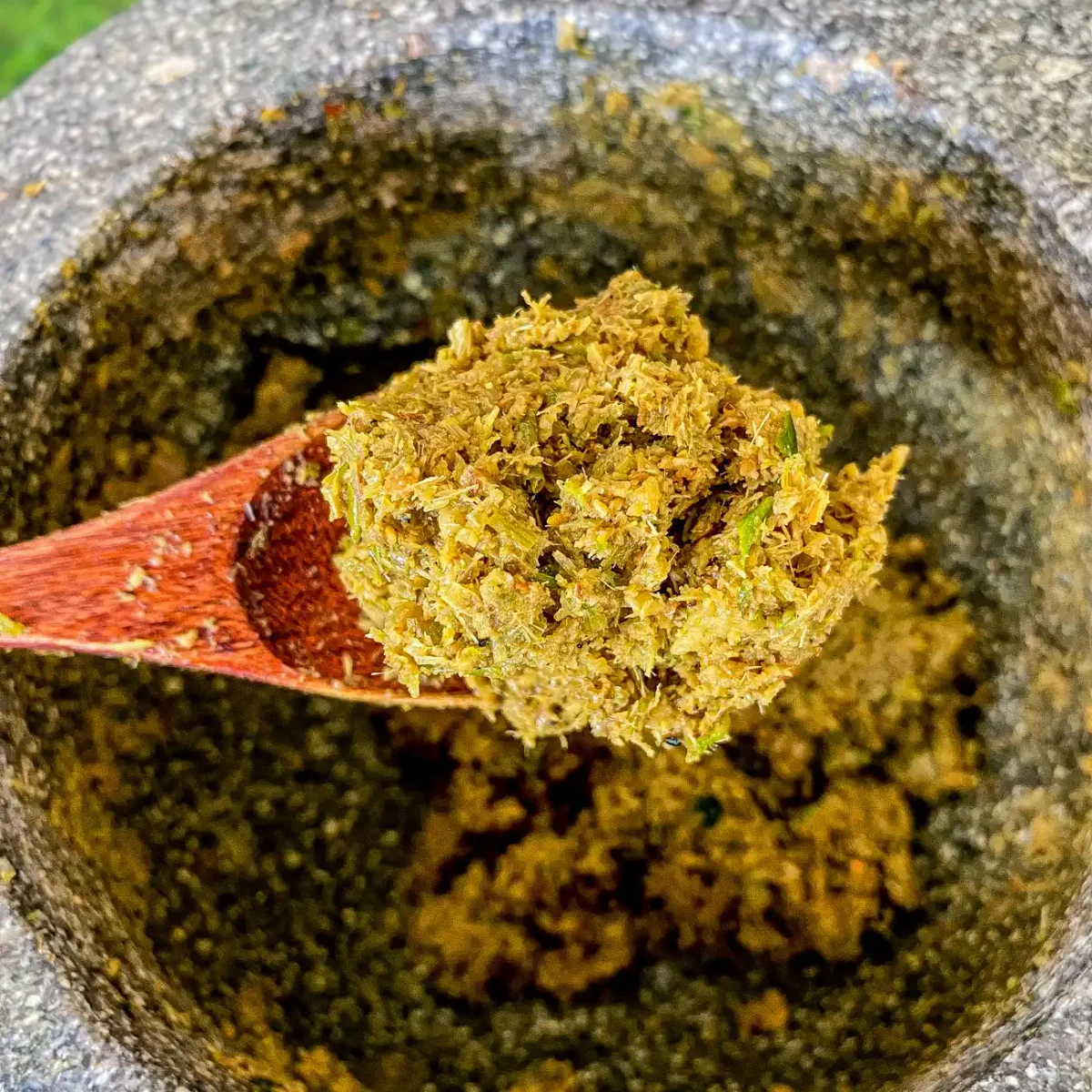
This Thai green curry paste combines fresh aromatics, toasted spices, chillies and shrimp paste into a punchy base for curries and stir-fries. Make it with a mortar and pestle when you want control over the texture and a batch to use across several meals.
Ingredients
- 5.7 g (0.20 ounces)salt
- 48.2 g (1.70 ounces)lemongrass
- 28.3 g (1 ounce)galangal
- 10 ml (2 teaspoons)coriander seeds
- 1.4 g (0.05 ounces)black peppercorns
- 10 ml (2 teaspoons)cumin
- 5.7 g (0.20 ounces)kaffir lime zest
- 5.7 g (0.20 ounces)turmeric
- 28.3 g (1 ounce)chillies (see notes)
- 19.8 g (0.7 ounces)shrimp paste
- 8.5 g (0.3 ounces)coriander root
- 51 g (1.80 ounces)garlic
- 51 g (1.80 ounces)shallots
Instructions
- 1
Slice the ingredients
Thinly slice all the ingredients to make them quicker and easier to pound.
- 2
Toast the spices
Gently toast the black peppercorns, coriander seeds and cumin in a dry pan until fragrant.
- 3
Pound the base
Put the salt, lemongrass, galangal and toasted spices in a mortar. Pound until they form a fine mixture.
- 4
Finish the paste
Add all the remaining ingredients and continue pounding until the mixture is smooth and cohesive.
What is Thai green curry paste?
Thai green curry paste is a pounded blend of herbs, aromatics, chillies and spices used as the flavour base for green curry and other dishes. It belongs to Thailand’s tradition of making curry pastes from fresh ingredients, with the exact balance varying from kitchen to kitchen.
This version pairs lemongrass, galangal and lime zest with toasted spices, garlic, shallots and shrimp paste. Pounding the ingredients in stages helps turn them into a cohesive paste.
Nutrition and macros by portion
The nutrition label shows one serving as written: 38 calories, 3g protein, 6g carbs, 1g fat.
| Portion | Adjustment | kcal | Protein | Carbs | Fat |
|---|---|---|---|---|---|
| Lighter | Use less paste | 27 kcal | 2g | 4g | 0g |
| This serving | As written | 38 kcal | 3g | 6g | 1g |
| Hungry | Use a larger portion | 57 kcal | 5g | 9g | 1g |
The chillies, lemongrass, galangal and other aromatics provide most of the carbohydrates, while shrimp paste contributes protein and some of the fat comes from the small amounts naturally present in the ingredients. Use the paste as a flavour base alongside a serving of vegetables and a protein source, then adjust the accompanying rice or noodles to suit the meal.
Why pound it in stages?
Firm ingredients first: salt, lemongrass and galangal need sustained pounding, so starting with them gives the mixture a head start. The toasted spices join this first batch and break down alongside the aromatics.
Remaining ingredients next: add the softer and more moist ingredients after the base is fine. This order helps everything combine without leaving large fibrous pieces behind.
Choosing the ingredients
Lemongrass and galangal: trim and slice them finely before pounding. Their fibrous texture makes thin slices especially useful here.
Chillies: the recipe gives a quantity and points to notes for guidance on the type to use. Choose chillies to suit your preferred heat level, bearing in mind that this will change the paste’s character.
Shrimp paste: it adds a savoury, salty depth. It is an animal-derived ingredient, so the paste is not vegetarian as written.
Toast the spices gently
Use a dry pan and keep the heat moderate, moving the peppercorns, coriander seeds and cumin so they toast evenly. Stop when they smell aromatic rather than waiting for them to darken significantly.
Let the spices cool briefly if they feel very hot before adding them to the mortar. The method does not call for oil.
Look for a cohesive texture
The finished paste should hold together as a smooth, even mixture, without obvious chunks of lemongrass, galangal or shallot. A little texture is natural with a mortar and pestle, but keep pounding if tough strands remain.
The time needed depends on the mortar and how finely you sliced the ingredients. The recipe gives 30 minutes as the total time, including preparation.
How to use the paste
Curry base: fry the paste as directed by the curry recipe you are following, then build the sauce with its other ingredients. Since this paste contains salt and shrimp paste, taste the finished dish before adding extra seasoning.
Beyond curry: use it as a flavouring for stir-fries or divide it into portions for meal prep. Its strong aromatics work best when balanced with the other ingredients in the dish.
Recipe notes & tips
- Slice the aromatics finely before adding them to the mortar.
- Toast the spices in a dry pan, not with oil.
- Keep the spices moving as they toast so they release their aroma without scorching.
- Pound the firm ingredients before adding the remaining ingredients.
- Taste the curry made with the paste before adding more salt, as shrimp paste is salty.
Variations
- Adjust the heat: choose chillies to suit your preferred spice level.
- Use a food processor: pulse the ingredients, scraping down the sides, if you do not have a mortar and pestle.
- Make it vegetarian: omit the shrimp paste and use a vegetarian alternative that suits your recipe.
- Pound a coarser paste: stop when the ingredients are evenly combined if you prefer more texture.
- Use it in a stir-fry: add a small amount as a seasoning base and balance it with the other ingredients.
Common mistakes to avoid
- Large aromatic pieces: slice everything thinly before pounding so the paste becomes more even.
- Scorched spices: toast gently in a dry pan and take them off the heat once fragrant.
- Adding everything at once: pound the salt, lemongrass, galangal and toasted spices first as directed.
- Uneven paste: keep pounding and scrape the sides of the mortar back into the mixture.
- Oversalting the final dish: remember that the paste already contains salt and shrimp paste before seasoning further.
How to store
Transfer the paste to a clean, sealed container and refrigerate it, or freeze it in small portions for longer storage. Use a clean spoon each time and follow the storage guidance for fresh homemade pastes if keeping it chilled.
Frequently asked questions
Can I make this without a mortar and pestle?
Yes. Pulse the ingredients in a food processor, stopping to scrape down the sides as needed. The texture may be less finely pounded.
How spicy is this paste?
The heat depends on the chillies you use. Choose milder or hotter chillies to suit your preference.
Is this recipe vegetarian?
No. It contains shrimp paste. For a vegetarian version, omit it or use a suitable vegetarian alternative.
Can I use the paste straight from the fridge?
Yes. Measure out what you need and add it to your curry or stir-fry according to that dish’s method.
Can I freeze the paste?
Yes. Freeze it in small portions so you can thaw only what you need.
What can I use it for besides curry?
The recipe also suggests stir-fries. Start with a little, then balance the seasoning with the rest of the dish.
Cook it from the original
This recipe comes from hungryinthailand.com. Their page has the author’s own photos, notes and tips — the best place to cook it from.
Open the recipe on hungryinthailand.com