
15-Min Instant Pot Basmati Rice
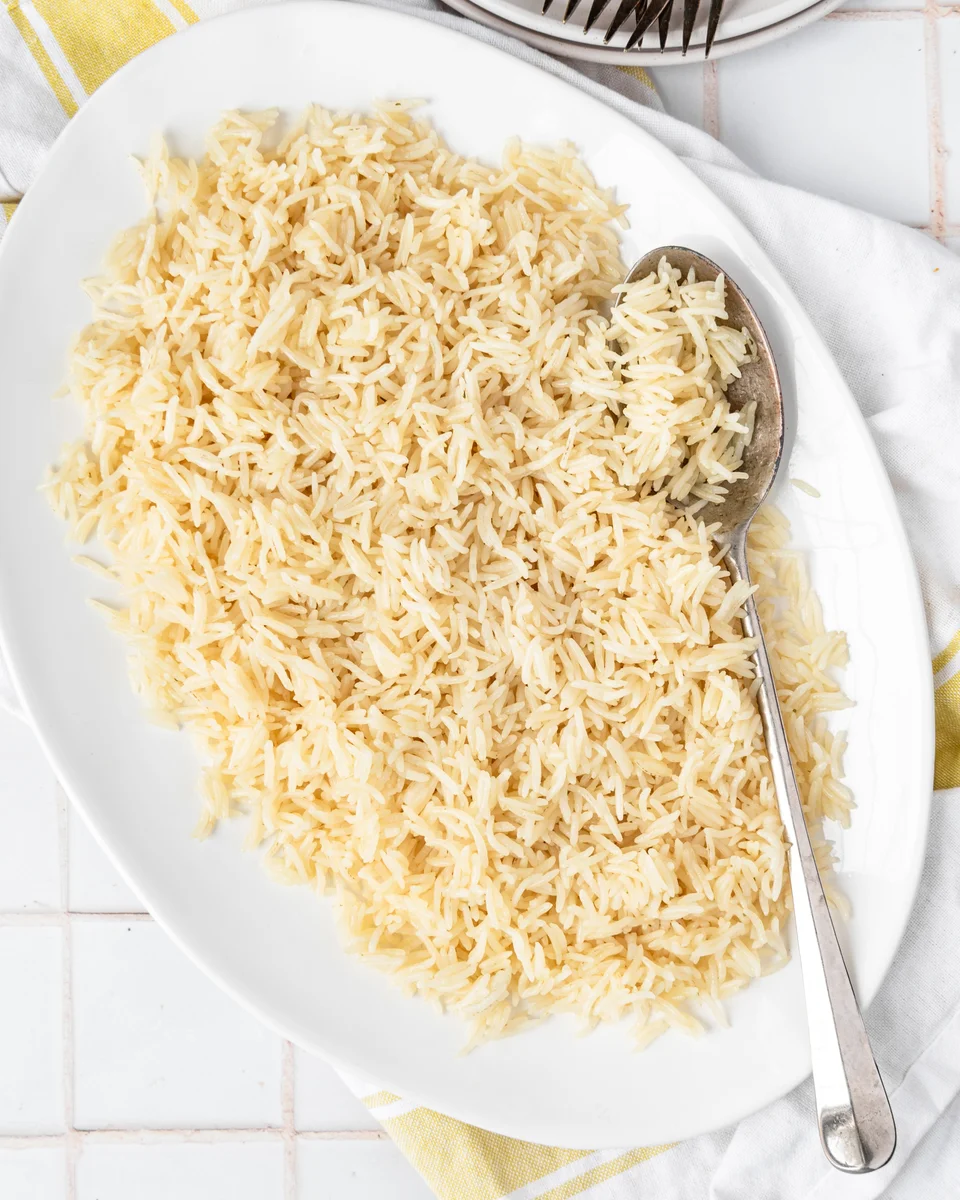
This Instant Pot basmati rice is a quick, aromatic side with separate, fluffy grains. Rinsing the rice and briefly coating it in oil help make it a reliable base for curries, stews or other meals.
Ingredients
- 420 g (2 cups)long-grain basmati rice
- 60 ml (4 tablespoons)oil, any kind
- 620 ml (2 1/2 cups)hot broth or hot water
- 5 ml (1 teaspoon)salt, adjusted if using salted broth
Instructions
- 1
Rinse the rice
Wash and rinse the basmati rice several times, until the water runs clear. Drain it well in a colander and set aside.
- 2
Sauté and pressure cook
Set the Instant Pot to sauté and heat the oil until hot. Add the rice and stir carefully for 30 seconds to coat the grains without breaking them. Check that no rice is stuck to the bottom, then add the hot broth or water and salt, adjusting the salt if the broth is already salty. Cover and pressure cook on high for 5 minutes.
- 3
Release and rest
When cooking is finished, let the pressure release naturally for 5 minutes, then release the remaining pressure manually. Uncover carefully and gently fluff the rice with a spoon. It may feel moist; replace the lid halfway and leave the rice to stand for another 5 minutes so the grains can dry.
- 4
Serve the rice
Serve with your favourite dish.
What is basmati rice?
Basmati is a long-grain rice known for its delicate aroma and grains that can cook up distinct rather than sticky. This American-style Instant Pot preparation makes it a straightforward side for curries, stews and everyday meals.
Rinsing off excess surface starch, then briefly coating the grains in oil, supports a fluffy result. The pressure cooker keeps the method short and hands-off.
Nutrition and macros by portion
The nutrition label shows one serving as written: 369 calories, 5g protein, 59g carbs, 12g fat.
| Portion | Adjustment | kcal | Protein | Carbs | Fat |
|---|---|---|---|---|---|
| Lighter | Use less oil | 258 kcal | 4g | 41g | 8g |
| This serving | As written | 369 kcal | 5g | 59g | 12g |
| Hungry | Serve a larger portion | 554 kcal | 8g | 89g | 18g |
The rice supplies most of the carbohydrates, while the oil contributes most of the fat; the broth or water and small amount of salt add little protein. Pair a serving with a protein-rich main and vegetables for a more balanced plate.
Rinsing for separate grains
Clear water: rinse the rice several times, until the water runs clear, then drain it well. Removing loose starch helps the cooked grains stay separate.
Coating the rice
Warm oil: heat it in sauté mode before adding the rice. Stir gently for 30 seconds so the grains are coated without breaking.
Clear pot base: check that no rice is stuck to the bottom before adding the liquid. This helps avoid leaving grains behind as the rice cooks.
Getting the liquid right
Measured liquid: use 620 ml of hot broth or hot water for 420 g of rice. The recipe calls for hot liquid, so have it ready before you start pressure cooking.
Salted broth: taste and adjust the salt amount if your broth is already salty. Either broth or water works as the cooking liquid.
Pressure and resting time
High pressure: cook the rice for 5 minutes, then allow a 5-minute natural release before manually releasing the remaining pressure. Take care when uncovering the pot.
Final rest: the rice may feel moist when first fluffed. Rest it for another 5 minutes with the lid placed halfway over the pot to let the grains dry.
Serving ideas
As a side: serve the rice with your favourite dish, especially a curry or stew. Its mild flavour and fluffy texture also make it a simple accompaniment to a range of meals.
Recipe notes & tips
- Rinse until the water runs clear, then drain the rice thoroughly.
- Stir gently while coating the rice so the grains do not break.
- Check the bottom of the pot for stuck grains before adding the liquid.
- Reduce the salt if your broth is already well seasoned.
- Fluff gently, then allow the final 5-minute rest for the rice to dry.
Variations
- Use broth: choose hot broth instead of water for a savoury base.
- Use water: cook with hot water when you want a more neutral flavour.
- Change the oil: use any kind of oil, as specified in the recipe.
- Season the salt: adjust the salt to suit the broth you use.
Common mistakes to avoid
- Skipping the rinse: excess surface starch can make the grains stick; rinse until the water runs clear.
- Leaving the rice undrained: excess rinse water can affect the measured liquid; drain it well in a colander.
- Stirring roughly: the grains may break; coat them gently for 30 seconds.
- Ignoring the pot base: stuck rice can remain on the bottom; check and clear it before adding liquid.
- Skipping the final rest: the rice may still feel moist; leave the lid halfway on for 5 minutes.
How to store
Refrigerate leftover rice in a covered container and use within 3–4 days. Reheat until steaming hot, adding a small splash of water if it seems dry.
Frequently asked questions
Do I have to rinse basmati rice?
Rinsing is part of this method. Wash it several times until the water runs clear, then drain it well.
Can I use water instead of broth?
Yes. The recipe allows either hot broth or hot water; adjust the salt if you choose salted broth.
Why coat the rice in oil first?
The recipe briefly stirs the grains in hot oil before adding liquid. Stir gently for 30 seconds to coat them without breaking them.
How long should the rice cook under pressure?
Cook it on high pressure for 5 minutes, followed by a 5-minute natural pressure release. Then manually release the remaining pressure.
Why does the rice rest after cooking?
It can feel moist immediately after cooking. Fluff it gently and leave it for another 5 minutes with the lid halfway on so the grains can dry.
What should I serve with basmati rice?
Serve it alongside your favourite dish. It works as a base or side for curries and stews.
Cook it from the original
This recipe comes from hungrypaprikas.com. Their page has the author’s own photos, notes and tips — the best place to cook it from.
Open the recipe on hungrypaprikas.com