
Authentic Thai Roti Dessert Recipe
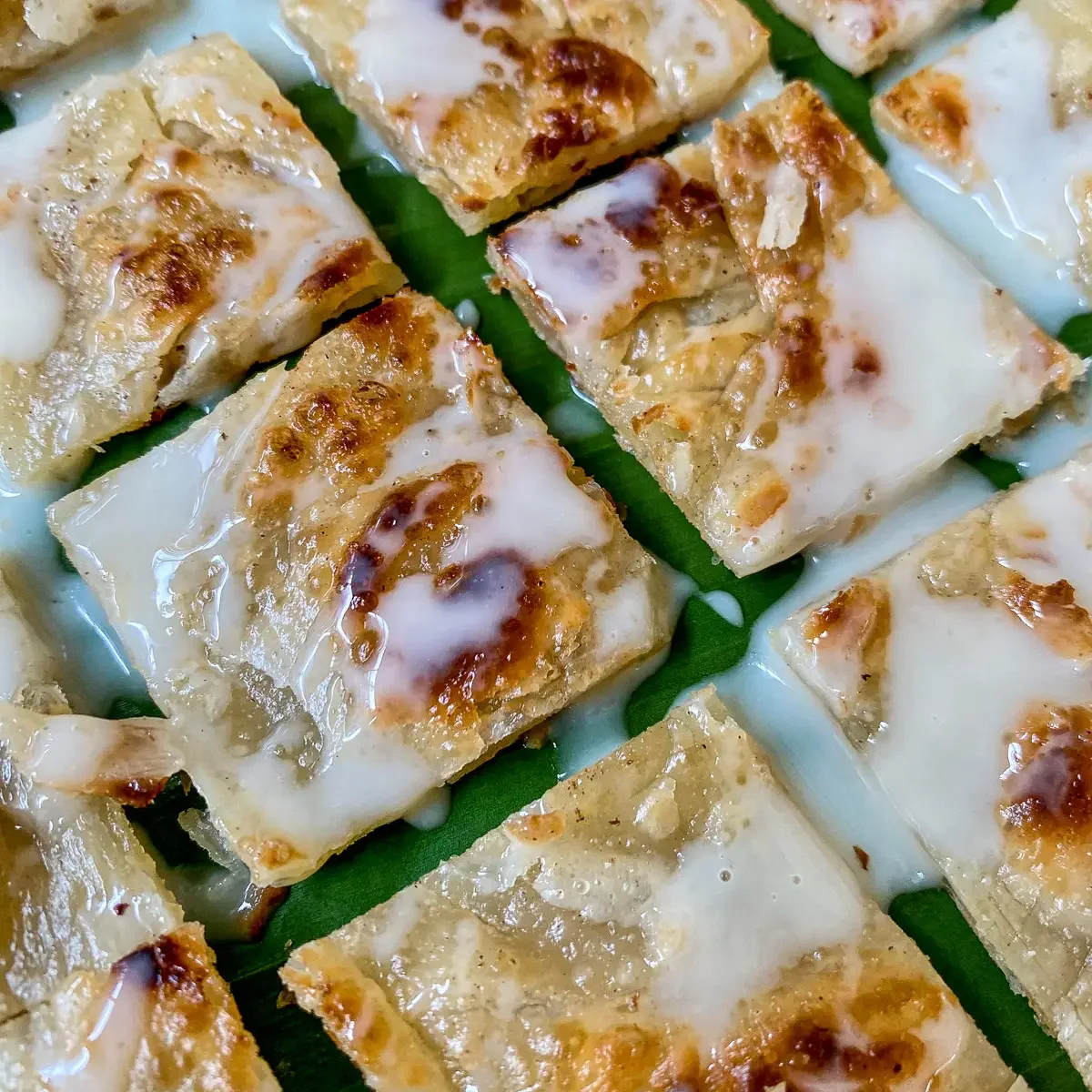
Thai roti is a thin, pan-fried flatbread served here as a crisp dessert with sweetened condensed milk. Make it when you want a freshly cooked treat with flaky edges and a soft centre.
Ingredients
- 454 g (1 lb; or 3½ cups)plain flour
- 1 tspsalt
- 5 tbsp (75 ml)oil
- 1egg
- Just under 240 ml (1 cup)water
- 2 tbsp (about 28 g)butter
- 3 tbsp (about 45 ml), or to tastesweetened condensed milk
Instructions
- 1
Combine ingredients
Put the flour in a large mixing bowl and make a well in the middle. Add the egg, salt and oil.
- 2
Knead the dough
Gradually add lukewarm water while kneading by hand. Continue until the dough is smooth and elastic, and springs back slightly when pressed.
- 3
Rest and stretch
Cover the dough with a damp towel and leave it to rest for 1 hour. Then stretch and pull it several times with both hands.
- 4
Shape the portions
Divide the dough into equal portions of about 70 g each. Shape each into a ball by pulling the dough down and tucking it underneath.
- 5
Butter and rest
Brush each ball generously with melted butter. Put them in a bowl, cover with a damp towel and leave to rest for 30 minutes.
- 6
Flatten the dough
Use your hands or a rolling pin to flatten each ball into a thin sheet. You can also gently throw the dough onto a flat surface to help stretch it.
- 7
Stretch by hand
Lift one edge of each sheet and let the dough stretch naturally into your other hand. Repeat with each portion.
- 8
Thin the sheets
Stretch each sheet again. Make it very thin for a crisp result or leave it slightly thicker for a softer texture.
- 9
Fry each roti
Fry each sheet in a pan with 1 tablespoon of oil and a little melted butter.
- 10
Cook and serve
Cook until golden brown and crisp on both sides. Serve straight away with sweetened condensed milk, sugar or your preferred topping.
What is Thai roti?
Roti is a flatbread with roots in South Asian food traditions that is also widely enjoyed in Thailand, including as a sweet street-food snack. For dessert, it is cooked on a hot, oiled surface and often finished with a sweet topping.
This version relies on rested, stretchy dough and a thin sheet that fries quickly. Sweetened condensed milk adds a creamy finish to the crisp, buttery bread.
Nutrition and macros by portion
The nutrition label shows one serving as written: 178 calories, 4g protein, 25g carbs, 7g fat.
| Portion | Adjustment | kcal | Protein | Carbs | Fat |
|---|---|---|---|---|---|
| Lighter | Use less condensed milk | 125 kcal | 3g | 18g | 5g |
| This serving | As written | 178 kcal | 4g | 25g | 7g |
| Hungry | Serve a larger portion | 267 kcal | 6g | 38g | 11g |
The supplied nutrition per serving lists 25 g of carbohydrate, 7 g of fat and 4 g of protein. Flour is the main source of carbohydrate, while the oil, butter and condensed milk contribute fat; the flour and egg provide some protein. Pair a portion with fresh fruit for a more balanced plate.
Why the dough needs resting
First rest: the hour-long covered rest gives the dough time to relax after kneading, making it easier to pull and stretch.
Second rest: buttering the balls and leaving them covered for 30 minutes helps keep the portions supple as you flatten them.
How to stretch the roti
Start gently: flatten the ball with your hands or a rolling pin, then lift an edge and let the dough lengthen under its own weight. Stretch it evenly rather than tugging hard in one spot.
Aim for thinness: a very thin sheet fries crisp, while a slightly thicker one stays softer. If a sheet tears, fold it over the opening before frying.
Choosing the texture
Thin sheets: stretch the dough as far as it will go for a crisp, golden roti. Keep an eye on it in the pan, as thinner dough cooks quickly.
Thicker sheets: leave a little more dough in the centre for a softer bite. The colour is a useful cue: cook until both sides are golden brown.
Frying in batches
The recipe fries the sheets individually, using 1 tablespoon of oil and a little melted butter for each one. Let the pan heat before adding a sheet so it begins cooking promptly.
Serve each roti soon after frying, or keep finished ones warm while you cook the remaining portions. They are at their crispiest straight from the pan.
Toppings and serving
Sweetened condensed milk is the suggested topping; drizzle it over the roti to taste. Sugar is another simple option, or use a favourite topping of your choice.
For a more substantial snack, serve the roti alongside fresh fruit. Add the topping just before eating so it does not soften the crisp surface for too long.
Recipe notes & tips
- Keep the dough covered with a damp towel during both rests so the surface does not dry out.
- Melt the butter before brushing it over the dough balls.
- Stretch the sheets over a clean, flat surface and handle them gently to avoid tearing.
- Have the toppings ready before frying so the roti can be served promptly.
- Adjust the thickness of each sheet to suit whether you prefer a crisp or softer result.
Variations
- Sugar topping: scatter sugar over the hot roti instead of using condensed milk.
- Fruit pairing: serve with sliced fruit for a fresh contrast to the buttery bread.
- Mixed toppings: use condensed milk alongside another favourite topping.
- Softer roti: leave each sheet slightly thicker before frying.
- Extra crisp roti: stretch the dough very thin before it goes into the pan.
Common mistakes to avoid
- Skipping the rests: the dough can resist stretching; allow both covered resting periods.
- Pulling too hard: the sheet may tear; stretch gradually and let the dough lengthen naturally.
- Drying out the dough: uncovered portions can form a skin; keep them under a damp towel.
- Uneven thickness: thin spots may crisp before thicker areas cook; stretch the sheet as evenly as you can.
- Waiting too long to serve: the roti loses its fresh-fried crispness; add the topping and serve promptly.
How to store
Roti is best eaten straight after frying. If needed, refrigerate cooled pieces in an airtight container for up to 2 days and reheat briefly in a frying pan; the texture may be less crisp than when freshly made.
Frequently asked questions
Can I make the dough ahead?
The recipe calls for resting the dough for 1 hour, then resting the buttered portions for 30 minutes. For the best texture, complete these rests and fry the roti shortly before serving.
How thin should I stretch the dough?
Stretch it very thin for a crisp result, or leave it slightly thicker for a softer roti. Try to keep the thickness even across each sheet.
What if the dough keeps springing back?
Cover it and let it rest longer before trying again. Resting helps the dough relax so it is easier to stretch.
Can I use a rolling pin?
Yes. The recipe allows you to flatten the dough with your hands or a rolling pin, then stretch it further by hand.
What can I use instead of condensed milk?
The recipe suggests sugar or any topping you like. Add your topping just before serving.
How do I know when the roti is done?
Cook it until both sides are golden brown and crisp. Thicker sheets will be softer, as described in the method.
Cook it from the original
This recipe comes from hungryinthailand.com. Their page has the author’s own photos, notes and tips — the best place to cook it from.
Open the recipe on hungryinthailand.com