
Dim Sum Chicken Feet
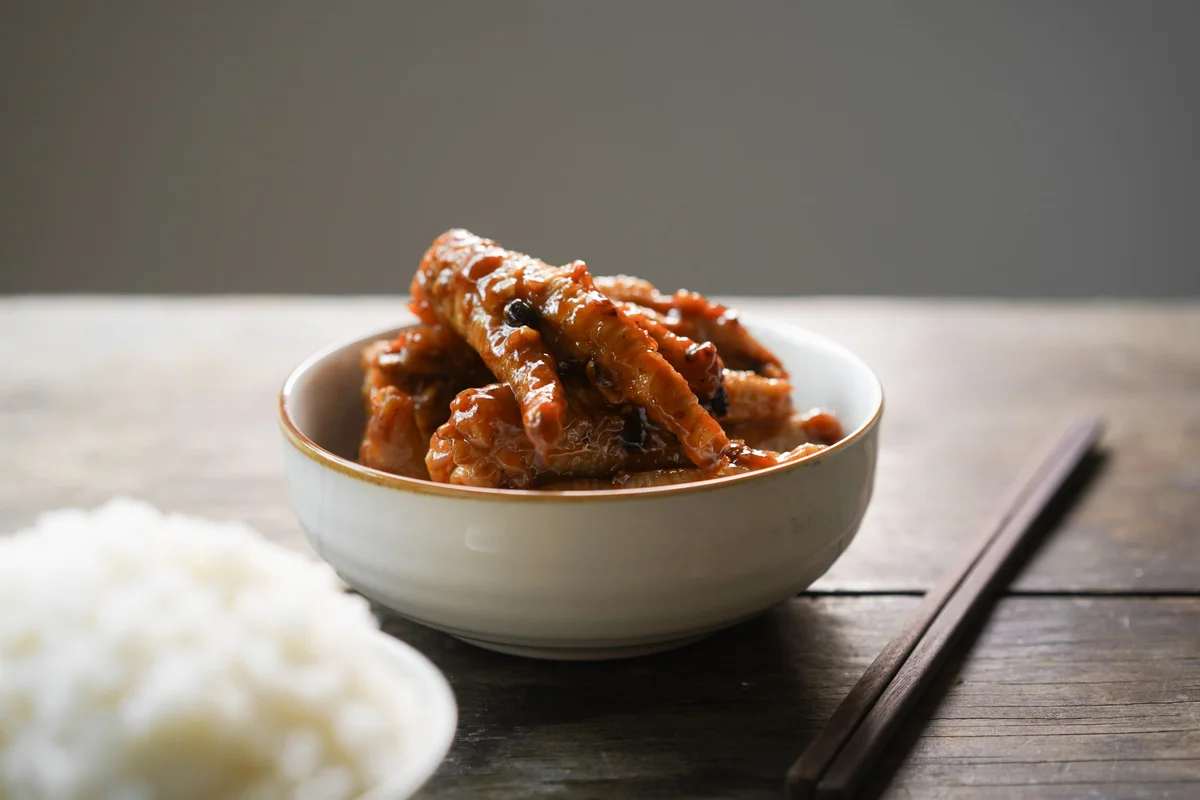
Dim sum chicken feet are fried until lightly browned, then braised until plump and tender before being coated in a savoury, gently spicy sauce. Make them when you want to bring a classic Chinese dim sum dish to your own table.
Ingredients
- 454 gchicken feet
- as neededneutral cooking oil, preferably vegetable oil
- 32 g (¼ cup)cornstarch
- 2.37 litres (10 cups)water
- 7.6 cm (3 inches)ginger, sliced
- 6 clovesgarlic, smashed
- 4star anise
- 30 ml (2 tbsp)oyster sauce
- 15 ml (1 tbsp)Chinkiang wine or rice wine vinegar
- 8 g (1 tbsp)cornstarch
- 30 ml (2 tbsp)water
- 15 ml (1 tbsp)neutral cooking oil, preferably vegetable oil
- 1 tbspgarlic, minced
- 60 ml (¼ cup)braising liquid, reserved from above
- 2 tspdark brown sugar
- 15 ml (1 tbsp)oyster sauce
- 15 ml (1 tbsp)light soy sauce
- ¼ tspcrushed black pepper
- 2 tspblack bean chilli oil
Instructions
- 1
Clean and dry
Rinse the chicken feet under cold water, removing any brown spots or loose bone fragments, then pat them dry. Set them on a cooling rack for at least 30 minutes to dry further at room temperature, or leave them in the fridge for longer.
- 2
Trim the feet
Use sharp kitchen scissors or a knife to trim off the claw tips and any other dark spots.
- 3
Coat in starch
Put the cornstarch in a bowl and lightly coat the chicken feet. Shake off excess starch and return the feet to the rack.
- 4
Fry the feet
Pour neutral oil into a heavy-based pot to a depth of about 5 cm (2 inches) and heat it to 190°C (375°F). Carefully lower the chicken feet into the oil one at a time and fry for about 2 minutes, until lightly browned.
- 5
Drain and repeat
Move the chicken feet to a cooling rack to drain and cool. Fry the remaining feet in batches in the same way.
- 6
Braise until tender
For plump, supple feet, begin braising soon after frying. In a large stockpot over medium-high heat, combine the water, ginger, smashed garlic, star anise, oyster sauce, Chinkiang wine and fried chicken feet. Bring to the boil, stirring, then reduce the heat to medium-low, cover and simmer for about 1 hour.
- 7
Strain the liquid
The braised feet should look puffy and soft. Transfer them to a bowl, then strain the braising liquid through a sieve to remove the aromatics and reserve the liquid. The recipe notes that making the feet ahead can mean they absorb less sauce, take longer to reheat and may have skin that breaks.
- 8
Make the sauce
Heat the neutral oil in a medium saucepan over medium heat. Add the minced garlic and sauté for about 30 seconds, until fragrant. In a small bowl, mix the cornstarch with 30 ml (2 tbsp) water.
- 9
Thicken and coat
Add the reserved braising liquid, brown sugar, oyster sauce, light soy sauce, black pepper and black bean chilli oil to the pan, and stir until the sugar dissolves. Cook for another minute. Stir in the cornstarch mixture, keeping the sauce moving until it thickens and the liquid is incorporated; add more braising liquid if it becomes too thick. Add the chicken feet and turn them to coat, then transfer to a serving bowl and serve immediately.
What are dim sum chicken feet?
Chicken feet, sometimes called phoenix talons on a dim sum menu, are prized for their soft, gelatinous texture rather than for a meaty bite. They are a familiar Chinese dim sum dish, commonly prepared with frying followed by a long braise.
This version uses ginger, star anise, oyster sauce and Chinkiang wine in the braising liquid, then finishes the feet in a glossy sauce with soy, black pepper and black bean chilli oil.
Nutrition and macros by portion
The nutrition label shows one serving as written: 513 calories, 32g protein, 24g carbs, 32g fat.
| Portion | Adjustment | kcal | Protein | Carbs | Fat |
|---|---|---|---|---|---|
| Lighter | Use less finishing oil | 359 kcal | 23g | 17g | 22g |
| This serving | As written | 513 kcal | 32g | 24g | 32g |
| Hungry | Serve with steamed rice | 770 kcal | 48g | 36g | 47g |
The chicken feet contribute most of the protein, while the cornstarch and brown sugar provide carbohydrates. Much of the fat comes from frying oil and the added cooking oil; oyster sauce, soy sauce and the braising liquid also contribute sodium. Serve a portion with vegetables and plain rice to make a more balanced plate.
Why fry before braising?
The brief fry gives the feet a lightly browned exterior before they go into the braising pot. The recipe calls for frying them soon after coating them in a thin layer of cornstarch.
Drying the feet first and lowering them carefully into the hot oil helps manage splattering. Fry in batches so you can handle each piece without crowding the pot.
The braising aromatics
Ginger and smashed garlic bring fragrance to the long simmer, while star anise adds a distinct warm spice note. Oyster sauce and Chinkiang wine season the liquid as the feet soften.
Strain out the aromatics after braising, but keep the liquid: it forms the base of the finishing sauce and can also loosen it if it thickens too much.
How to judge doneness
After about 1 hour at a gentle simmer, the feet should look puffy and feel soft. Keep the pot covered during braising, and avoid a vigorous boil.
The sauce thickens quickly once the cornstarch mixture goes in. Stir continuously and look for a coating consistency that clings to the feet without becoming pasty.
Finishing the sauce
Sauté the minced garlic only until fragrant, about 30 seconds, before adding the other sauce ingredients. This gives it a brief, aromatic start without taking it through the long braise.
Stir the cornstarch and water together immediately before adding them, then pour the mixture into the sauce while stirring. Add reserved braising liquid a little at a time if you need to thin the glaze.
Serve while freshly coated
Toss the feet in the thickened sauce right before serving so each piece gets an even coating. The recipe recommends serving them immediately after this final step.
For a dim sum-style spread, serve alongside steamed rice or other small dishes. A simple vegetable side can add freshness to the rich, savoury plate.
Recipe notes & tips
- Dry the chicken feet thoroughly before coating and frying.
- Trim the claw tips and dark spots before cooking.
- Lower the feet into the hot oil carefully, one at a time.
- Keep the frying batches manageable so the feet are easy to handle.
- Reserve the strained braising liquid for both the sauce and any needed thinning.
- Stir constantly once the cornstarch mixture goes into the sauce.
Variations
- Milder sauce: Leave out the black bean chilli oil for a less spicy finish.
- More heat: Add extra black bean chilli oil to the finished sauce.
- Rice wine vinegar: Use it in place of Chinkiang wine as listed in the recipe.
- Extra ginger: Add more sliced ginger to the braising pot for a stronger aromatic note.
Common mistakes to avoid
- Damp feet: They can splatter in hot oil; pat them dry and leave them on a rack for at least 30 minutes.
- Skipping the trim: Claw tips and dark spots remain unpleasant to eat; cut them away before frying.
- Crowding the frying pot: It makes pieces harder to lower and remove safely; fry in batches.
- Boiling hard: A rolling boil can be rough on the feet; reduce the heat after bringing the pot to the boil.
- Lumpy thickener: Cornstarch can clump if added dry; mix it with water first and stir it into the sauce.
- Over-thick sauce: It can cling too heavily; stir in reserved braising liquid to loosen it.
How to store
For the best texture, serve the chicken feet freshly braised and coated, as the recipe notes that making them ahead may reduce how much sauce they absorb and can cause the skin to break during reheating. If you have leftovers, refrigerate them in a covered container and reheat gently with a splash of braising liquid or water until hot throughout.
Frequently asked questions
Can I make the chicken feet ahead?
The recipe recommends braising and saucing them close to serving time. It notes that feet made the day before may absorb less sauce, take longer to reheat and be more prone to broken skin.
Can I use rice wine vinegar instead of Chinkiang wine?
Yes. Rice wine vinegar is given as an alternative in the ingredient list.
How do I know the feet are ready after braising?
They should look puffy and feel soft after about 1 hour of simmering. Keep the heat gentle and the pot covered.
What if the sauce gets too thick?
Stir in a little reserved braising liquid until the sauce reaches a consistency that coats the chicken feet.
Can I make the sauce less spicy?
Use less black bean chilli oil, or omit it. The other sauce ingredients will still provide a savoury, glossy coating.
What should I serve with chicken feet?
Steamed rice and vegetables work well alongside them, or serve the feet as part of a wider dim sum-style meal.
Cook it from the original
This recipe comes from hungryhuy.com. Their page has the author’s own photos, notes and tips — the best place to cook it from.
Open the recipe on hungryhuy.com