
Sweet And Sour Pork (Gu Lu Rou) 咕噜肉
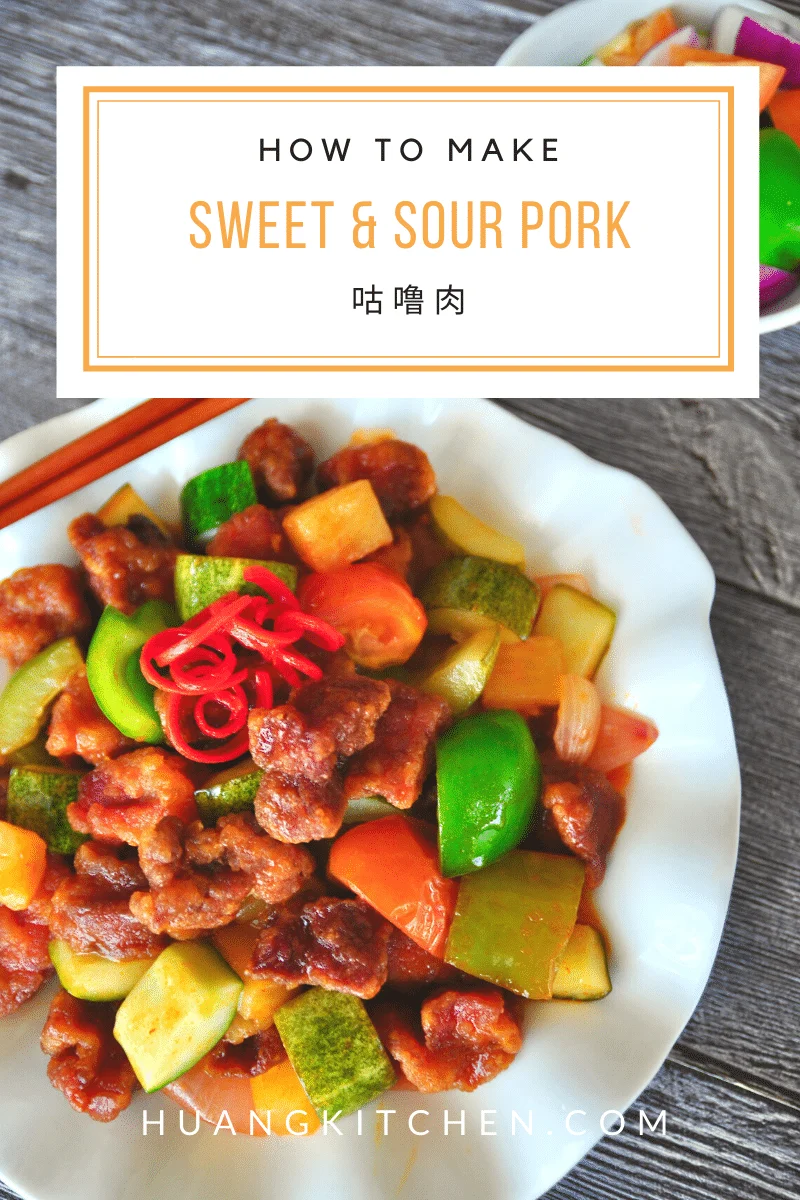
Cantonese sweet and sour pork pairs crisp, marinated pork with a tangy sauce, pineapple and colourful vegetables. It makes a lively centrepiece for steamed rice and is worth cooking when you want a mix of crunchy, juicy and saucy textures.
Ingredients
- 300 gpork, cut into cubes
- 1green capsicum, sliced
- 1tomato, cut into wedges
- 1 largeonion, sliced
- 1cucumber, sliced
- 100 gpineapple, cubed
- ½ tspsalt
- ½ tspsugar
- 1 tspoyster sauce
- ½ tspsesame oil
- 1 tbspShaoxing wine
- 1egg
- 1 tspbicarbonate of soda
- 3 tbspwater
- 3 tbsptomato sauce
- 1 tbspchilli sauce
- 1 tbspplum sauce
- 1 tbspsugar
- 1 tspsalt
- 1 tspwhite vinegar
- 100 mlwater
Instructions
- 1
Prepare ingredients
Get all the ingredients ready. Slice the vegetables into pieces, cubes or wedges as appropriate, and set out the ingredients for the sauce and pork marinade.
- 2
Mix sauce
Combine the tomato sauce, chilli sauce, plum sauce, 1 tbsp sugar, 1 tsp salt, vinegar and 100 ml water. Mix well and set aside.
- 3
Cut pork
Cut the pork into slices about 1.3 cm thick, then cut them into cubes.
- 4
Marinate pork
Add the marinade ingredients—the ½ tsp salt, ½ tsp sugar, oyster sauce, sesame oil, Shaoxing wine, egg, bicarbonate of soda and 3 tbsp water—to the pork. Stir to coat, cover with cling film and marinate for at least 30 minutes, or preferably overnight in the fridge.
- 5
Coat pork
When ready to cook, take the pork out of the fridge and let it come to room temperature. Toss the pieces in cornflour until coated, then prepare to deep-fry them.
- 6
Deep-fry pork
Heat oil and deep-fry the coated pork until golden and cooked through. Lift it out, drain and set aside.
- 7
Stir-fry vegetables
Leave 1 tbsp oil in a wok. Stir-fry the onion, capsicum, tomato and pineapple until fragrant.
- 8
Thicken sauce
Pour in the prepared sweet and sour sauce and bring it to the boil. Cook until it has thickened.
- 9
Finish and serve
Add the fried pork and mix well to coat it in the sauce. Serve hot with steamed rice.
What is sweet and sour pork?
Gu lu rou is a Cantonese dish of crisp pork coated in a lively sweet-and-sour sauce. Its name is often rendered in English as sweet and sour pork, and it has become a familiar dish on Chinese restaurant menus around the world.
This version combines tomato, chilli and plum sauces with vinegar, then adds pineapple and fresh vegetables. Marinating and frying the pork separately helps it keep some crispness when it is tossed in the sauce.
Nutrition and macros by portion
The nutrition label shows one serving as written: 440 calories, 27g protein, 37g carbs, 20g fat.
| Portion | Adjustment | kcal | Protein | Carbs | Fat |
|---|---|---|---|---|---|
| Lighter | Less fried pork, more vegetables | 308 kcal | 19g | 26g | 14g |
| This serving | As written | 440 kcal | 27g | 37g | 20g |
| Hungry | Larger portion with rice | 660 kcal | 41g | 56g | 30g |
Pork and egg provide most of the protein, while the sauces, sugar, pineapple and vegetables contribute the carbohydrates. The pork, egg, sesame oil and oil absorbed during frying supply most of the fat; serve with steamed rice and add extra vegetables on the side to round out the plate.
The pork marinade
Tenderising mix: egg, Shaoxing wine, sesame oil, oyster sauce, salt, sugar, bicarbonate of soda and water season the pork and form a coating for the flour. The recipe gives a minimum marinating time of 30 minutes, with overnight in the fridge as the preferred option.
Even pieces: cut the pork into similarly sized cubes so they cook at a similar rate. Let the marinated pork lose its chill before coating and frying.
Coating and frying
Dry coat: toss each piece in cornflour just before frying, aiming for an even layer rather than a thick clump. Cornflour is mentioned in the method but has no quantity in the supplied ingredient list.
Hot oil: fry the pork until golden and cooked through, then drain it before adding it to the sauce. The recipe does not specify a frying temperature or oil quantity, so use enough oil for deep-frying and follow safe deep-frying practice.
Getting the sauce right
Balanced flavour: tomato sauce brings sweetness and body, while plum sauce and vinegar contribute fruitiness and sharpness. Chilli sauce adds heat, so the finished flavour depends partly on the brand you use.
Thickened consistency: bring the mixed sauce to the boil and cook until it thickens before adding the pork. This helps it cling to the fried pieces instead of pooling thinly in the wok.
Vegetables and texture
Aromatic base: stir-fry the onion, capsicum, tomato and pineapple until fragrant, as directed. Keep the pieces reasonably even so they warm through together.
Cucumber: it appears in the ingredient list but is not included in the method's stir-fry step. For the written method, keep it sliced and serve it alongside; add it to the wok only if you want it cooked.
Timing and serving
Plan ahead: the listed total time is 60 minutes, but the suggested overnight marinade requires starting earlier. If marinating overnight, allow time for the pork to come towards room temperature before coating and frying.
Serve promptly: once the pork is mixed into the thickened sauce, bring it to the table while hot. Steamed rice is the suggested accompaniment and makes a simple base for the sauce.
Recipe notes & tips
- Cut the pork into similarly sized cubes so the pieces fry at about the same rate.
- Marinate for at least 30 minutes, or leave it covered in the fridge overnight as the method recommends.
- Coat the pork in cornflour just before frying to reduce the chance of a damp coating.
- Drain the fried pork well before adding it to the sauce.
- Have the sauce mixed and vegetables prepared before heating the wok, as the final cooking stages move quickly.
- Serve soon after tossing the pork with the sauce to retain as much crispness as possible.
Variations
- Adjust the heat: use less chilli sauce for a milder result.
- Add more pineapple: increase the fruit for a sweeter, fruitier sauce.
- Keep cucumber fresh: serve the sliced cucumber on the side for a cool contrast.
- Change the vegetables: use other quick-cooking vegetables in place of the capsicum.
- Make it extra tangy: add a little more vinegar to the sauce to suit your taste.
Common mistakes to avoid
- Uneven pork cubes: pieces cook at different speeds; cut them to a similar size.
- Skipping the marinade: the pork misses the recipe's seasoning and tenderising step; allow at least 30 minutes.
- Coating too early: the flour can turn damp; toss the pork in cornflour just before frying.
- Crowded frying: too many pieces at once can cool the oil; fry in batches if needed.
- Adding pork too soon: thin sauce will not coat it well; cook the sauce until thickened first.
- Leaving the finished dish standing: the coating softens in the sauce; serve it hot after mixing.
How to store
Refrigerate leftovers in a covered container and use within 2 days. Reheat until piping hot in a pan; the fried coating will soften after storage. The pork can be kept separate from the sauce before serving to help preserve its texture.
Frequently asked questions
Can I marinate the pork overnight?
Yes. Cover it and keep it in the fridge overnight, as the method recommends. Let it come towards room temperature before coating and frying.
How do I know the pork is cooked through?
Fry until the cubes are golden and cooked through, as the method specifies. If unsure, check a larger piece by cutting into its centre.
How can I keep the pork crisp?
Fry it until golden, drain it well, and only toss it into the sauce just before serving. Once coated, it will gradually soften.
When should I add the cucumber?
The ingredient list includes cucumber, but the method does not say to cook it. Serve it sliced on the side, or add it to the wok if you prefer it warmed.
What should I serve with sweet and sour pork?
The recipe suggests steamed rice. It is also easy to serve with extra vegetables on the side.
Can I make the sauce ahead?
Yes. Mix the sauce ingredients and set the mixture aside before cooking, as directed. Bring it to the boil and thicken it in the wok before adding the fried pork.
Cook it from the original
This recipe comes from huangkitchen.com. Their page has the author’s own photos, notes and tips — the best place to cook it from.
Open the recipe on huangkitchen.com