
Lasagna Bolognese
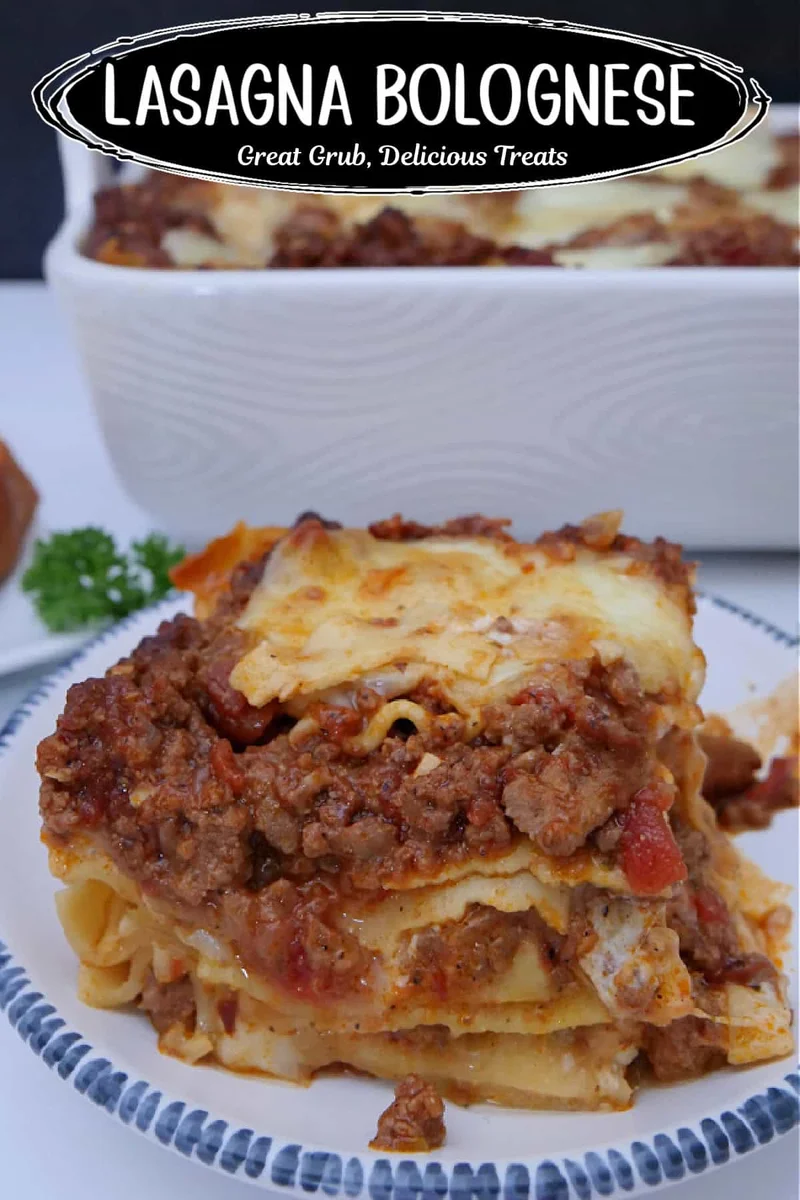
Lasagna Bolognese layers slow-simmered beef and tomato sauce with a rich ricotta, cottage cheese and Parmesan filling, pasta and mozzarella. It is a substantial, make-ahead-friendly centrepiece for a family meal or a table of guests.
Ingredients
- 907 g (2 pounds)minced beef
- 1 mediumonion, diced
- 5 clovesgarlic, minced
- 170 g (6 ounces)tomato purée
- 710 ml (3 cups)beef stock
- 794 g (28 ounces)petite diced tomatoes
- 30 ml (2 tablespoons)Worcestershire sauce
- 15 ml (1 tablespoon)Italian seasoning
- 5 ml (1 teaspoon)black pepper
- 2 cubesbouillon, tomato, beef or chicken
- 5 ml (1 teaspoon)red pepper flakes
- 794 g (28 ounces)ricotta
- 227 g (8 ounces)small-curd cottage cheese
- 2 largeeggs
- 227 g (8 ounces)grated Parmesan
- 1/2 smallonion, diced
- 1 pinchnutmeg
- 5 ml (1 teaspoon)black pepper
- 2.5 ml (1/2 teaspoon)salt
- 2.5 ml (1/2 teaspoon)red pepper flakes
- 454 g (16 ounces)lasagne sheets, parboiled for 4 minutes
- 454 g (16 ounces)fresh mozzarella, shredded
Instructions
- 1
Brown the beef
In a large saucepan or Dutch oven over medium heat, cook the beef and diced onion until the meat is no longer pink and the onion is translucent.
- 2
Cook the paste
Add the minced garlic and tomato purée, stir to combine and cook for 3–5 minutes.
- 3
Simmer the sauce
Add the remaining meat-sauce ingredients and bring to the boil. Reduce the heat and simmer for 1–2 hours, until thickened.
- 4
Mix the ricotta
In a medium bowl, stir the ricotta and eggs together until combined.
- 5
Season the filling
Add the Parmesan and seasonings, then stir to combine. Fold in the cottage cheese and set the mixture aside.
- 6
Prepare the oven
Preheat the oven to 175°C (350°F). Lightly coat a deep 23 x 33 cm (9 x 13-inch) baking dish with non-stick cooking spray and set it aside.
- 7
Start the layers
Pour 240 ml (1 cup) of meat sauce into the bottom of the baking dish. Arrange a layer of noodles over it, overlapping them slightly.
- 8
Add the cheeses
Spread 360 ml (1 1/2 cups) of ricotta mixture evenly over the noodles. Sprinkle 295 ml (1 1/4 cups) of shredded mozzarella over the filling.
- 9
Repeat the layers
Pour 315 ml (1 1/3 cups) of meat sauce over the cheese. Repeat the layers, finishing with meat sauce topped with shredded cheese.
- 10
Bake until bubbling
Cover the dish with aluminium foil and bake for 40 minutes. Remove the foil and continue baking for 20 minutes, until the cheese is melted and bubbling.
What is lasagna Bolognese?
Lasagna is an Italian baked pasta dish built from layers of pasta and filling. Bolognese refers to the meat sauce associated with Bologna; this version pairs a long-simmered beef and tomato sauce with a ricotta-based cheese filling.
The combination makes a generously layered, hearty bake. Cottage cheese joins the ricotta and Parmesan, while mozzarella finishes the top with a melted, bubbling layer.
Nutrition and macros by portion
The nutrition label shows one serving as written: 853 calories, 55g protein, 54g carbs, 48g fat.
| Portion | Adjustment | kcal | Protein | Carbs | Fat |
|---|---|---|---|---|---|
| Lighter | Serve with extra greens | 597 kcal | 39g | 38g | 34g |
| This serving | As written | 853 kcal | 55g | 54g | 48g |
| Hungry | Larger lasagne portion | 1280 kcal | 83g | 81g | 72g |
The pasta and tomatoes provide most of the carbohydrates, while the beef, ricotta, cottage cheese and mozzarella contribute much of the protein. Fat comes mainly from the beef and cheeses. Balance a portion with a generous green salad or vegetables alongside.
Build flavour in the sauce
Brown the beef and onion first: the recipe uses this stage to cook the meat through and soften the onion before the liquid ingredients go in.
Tomato paste: cook it with the garlic for 3–5 minutes before adding the rest of the sauce ingredients. The recipe then relies on a 1–2 hour simmer to thicken the mixture.
Make the cheese filling
Eggs and ricotta: mix them together first so the eggs are incorporated before adding the Parmesan and seasonings.
Cottage cheese: fold it in at the end, as directed, rather than vigorously mixing it through. Set the filling aside while preparing to assemble the lasagne.
Layer for an even bake
Sauce first: begin with a cup of meat sauce on the base of the dish, then add noodles with a slight overlap. This gives the first pasta layer a bed of sauce.
Measured layers: spread 1 1/2 cups of ricotta mixture over the noodles, add 1 1/4 cups of mozzarella and then 1 1/3 cups of meat sauce. Repeat the layers and finish with sauce and shredded cheese.
Check the texture and doneness
The sauce is ready for layering when it has simmered until thickened. A thicker sauce helps the layers hold together, rather than leaving them surrounded by excess liquid.
Bake covered for 40 minutes, then uncover for 20 minutes. The recipe's doneness cue is melted, bubbling cheese on top.
Plan the cooking time
The sauce takes 1–2 hours to simmer, followed by 60 minutes in the oven. The noodles are parboiled for 4 minutes, and the cheese filling can be mixed while the sauce cooks.
Because the sauce simmering time varies, allow enough time for it to thicken before assembling the dish. The stated total time is 175 minutes.
What to serve with it
Serve a square of lasagne with a crisp green salad or simply dressed vegetables to bring freshness alongside the rich meat and cheese layers.
A side of bread can help scoop up any sauce on the plate. Keep accompaniments fairly simple so they do not compete with the substantial main dish.
Recipe notes & tips
- Use a large saucepan or Dutch oven to give the beef and sauce room to cook.
- Let the sauce simmer until thickened before assembling the layers.
- Parboil the lasagne sheets for 4 minutes as specified.
- Spread the ricotta mixture gently so the pasta layers stay in place.
- Keep the dish covered for the first 40 minutes of baking, then uncover it for the final 20 minutes.
- Use the bubbling cheese as the recipe's cue that the bake is ready.
Variations
- Adjust the heat: reduce or increase the red pepper flakes to suit your preference.
- Choose a bouillon: use tomato, beef or chicken bouillon as listed.
- Use a different pasta shape: substitute another lasagne sheet style, keeping the layering method in mind.
- Add a salad: serve with crisp leaves and a simple dressing for a fresh contrast.
- Make the cheese top generous: reserve some shredded mozzarella for the final layer.
Common mistakes to avoid
- Rushing the sauce: it may not thicken enough; simmer it for the stated 1–2 hours.
- Skipping the browning: the recipe calls for the beef and onion to cook before the garlic and tomato paste go in.
- Overcooking the tomato paste: cook it with the garlic for 3–5 minutes, then add the remaining sauce ingredients.
- Leaving the noodles unprepared: parboil them for 4 minutes before assembling.
- Uneven layers: spread the ricotta mixture gently and distribute the sauce and cheese across the pasta.
- Keeping the foil on throughout: remove it after 40 minutes so the cheese can melt and bubble during the final 20 minutes.
How to store
Refrigerate leftover lasagne in a covered container for up to 3 days. Reheat portions until piping hot throughout, either in the oven or in the microwave.
Frequently asked questions
How long should the meat sauce simmer?
Simmer it for 1–2 hours, until thickened. The time can vary, so use the thickened texture as the guide.
Do I need to cook the lasagne sheets first?
The recipe specifies parboiling the sheets for 4 minutes. Prepare them before assembling the layers.
What size baking dish should I use?
Use a deep 23 x 33 cm (9 x 13-inch) baking dish, as specified in the method.
Can I use a different type of bouillon?
Yes. The recipe lists tomato, beef or chicken bouillon cubes.
How do I know when the lasagne is done?
Bake it covered for 40 minutes and uncovered for 20 minutes. The cheese should be melted and bubbling.
Can I prepare the components ahead?
The sauce and ricotta mixture can be made ahead and kept covered in the fridge. Assemble and bake when ready, allowing chilled components time to lose some of their chill.
Cook it from the original
This recipe comes from greatgrubdelicioustreats.com. Their page has the author’s own photos, notes and tips — the best place to cook it from.
Open the recipe on greatgrubdelicioustreats.com