
Peanut Powder Recipe (Peanut Flour)
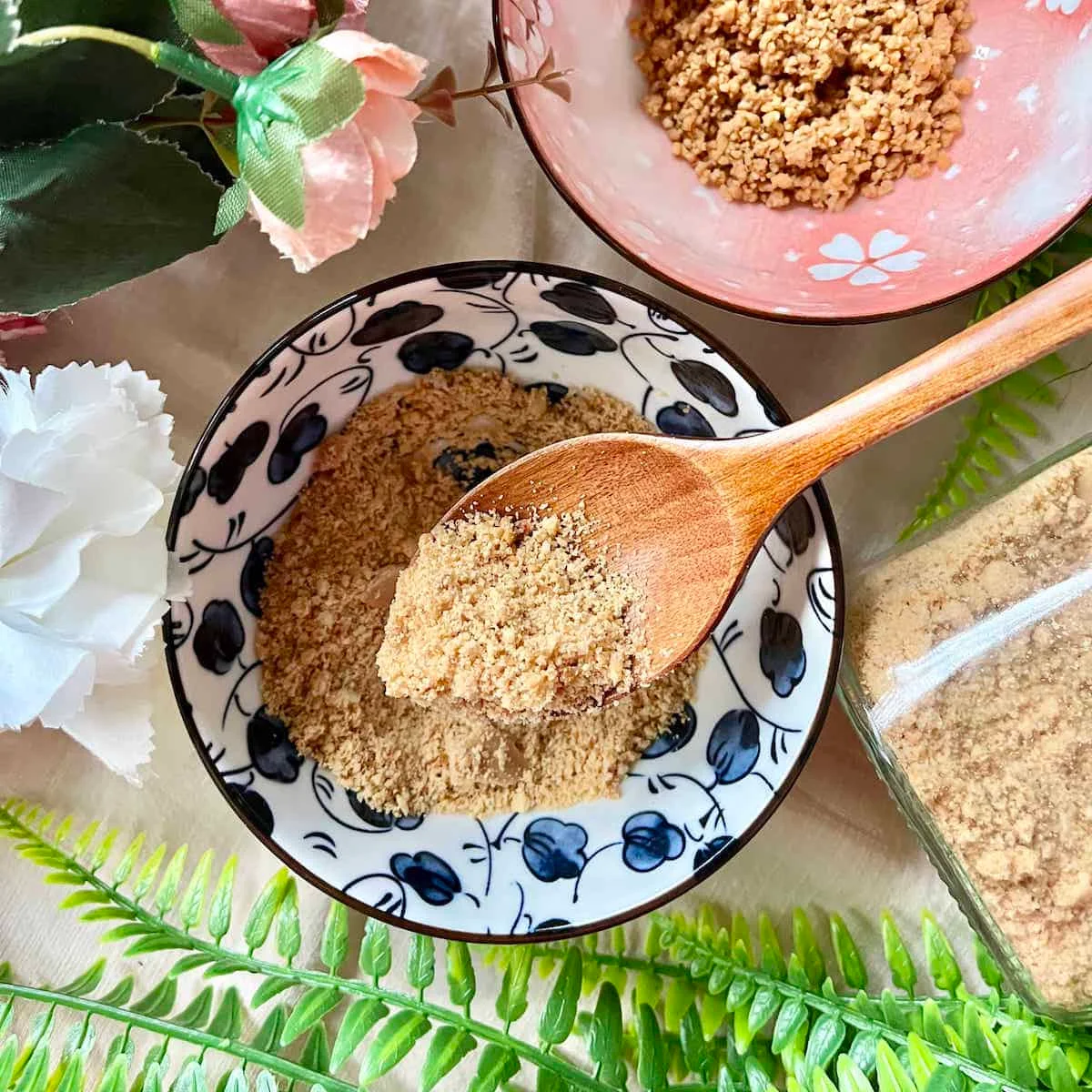
This simple Cantonese-style peanut powder is made by roasting peanuts and pulsing them into a fine, fragrant meal. Use it in Chinese peanut cookies or mochi, taking care to stop before the nuts release their oils and become peanut butter.
Ingredients
- 145 g (1 cup)peanuts, raw or roasted
Instructions
- 1
Choose a method
If starting with raw peanuts, use one of the methods below. If your peanuts are already roasted, skip to the blending instructions.
- 2
Dry-fry peanuts
Heat a wok or large pan over medium-high heat. Add the shelled peanuts and dry-fry until fragrant and golden brown.
- 3
Deep-fry peanuts
Put the whole peanuts in a metal sieve. Heat a pot of oil, then carefully lower the peanuts into it once the oil is hot. Fry medium-sized peanuts with their skins on for about 7–8 minutes. Carefully lift them out and set them on kitchen towels to absorb excess oil.
- 4
Roast in oven
Preheat the oven to 177 °C (157 °C fan) for 20 minutes. Add the shelled peanuts and roast for 10 minutes, then carefully remove and stir them. Return them to the oven for another 5–10 minutes, until fragrant and golden brown.
- 5
Cool the peanuts
Whichever roasting method you use, spread the peanuts in a single layer to cool. Let them cool completely before blending, or they may turn into peanut paste.
- 6
Add roasted peanuts
If using roasted peanuts, start here. Put 72 g (½ cup) of the roasted peanuts into a dry blender; a powerful blender is recommended.
- 7
Pulse and scrape
Pulse for 5 seconds, then stop and scrape the sides and blades. This keeps the peanuts around the blades from releasing their natural oils and turning into peanut butter.
- 8
Repeat in short bursts
Pulse for another 5 seconds and scrape again. Continue until the peanuts reach your preferred fineness. After the second round, let the blender rest for 1 minute so it does not heat the peanuts into butter.
- 9
Cool before storing
Once the peanuts are ground into a fine powder, let the powder cool completely before storing it.
What is peanut powder?
Peanut powder is made by grinding roasted peanuts into a fine, dry mixture, rather than blending them until they become a paste. In Cantonese cooking, peanut is a familiar flavour in sweets and fillings, and this simple version can be used for cookies or mochi.
Roasting brings out the peanuts’ aroma, while short pulses and frequent scraping help keep the mixture powdery.
Nutrition and macros by portion
The nutrition label shows one serving as written: 832 calories, 38g protein, 23g carbs, 72g fat.
| Portion | Adjustment | kcal | Protein | Carbs | Fat |
|---|---|---|---|---|---|
| Lighter | Use a smaller topping | 582 kcal | 27g | 16g | 50g |
| This serving | As written | 832 kcal | 38g | 23g | 72g |
| Hungry | Use a larger portion | 1248 kcal | 57g | 35g | 108g |
Peanuts provide most of the energy and fat, as well as much of the protein; they also contribute the carbohydrates. For a more balanced plate, use the powder as a topping or recipe ingredient alongside fruit or another fresh side.
Choose your roasting method
Dry-frying: A wok or large pan gives you close control over the peanuts as they toast. Stir or move them around so they brown evenly.
Deep-frying: The sieve makes it easier to lower and lift the peanuts. Drain them well on kitchen towels before cooling.
Oven-roasting: This is a hands-off option, but stirring partway through helps the peanuts colour more evenly.
Cool them completely
Cooling: Spread the roasted peanuts in one layer and wait until they are fully cool before blending. Warm nuts can release their oils more readily and become sticky.
Batch size: The method starts with 72 g (½ cup) in the blender. Avoid packing the blender tightly, which can make it harder to pulse and scrape evenly.
Pulse, then scrape
Short bursts: Pulse for 5 seconds at a time, stopping to scrape the sides and blades after each burst. This gives you more control than running the blender continuously.
Rest: After the second round, pause for 1 minute before continuing. The rest helps limit heat build-up while the peanuts are being ground.
Look for a fine, dry texture
Texture: Stop when the peanuts are as fine as you want them, before they clump into a paste. The mixture should still look loose rather than glossy or sticky.
Colour and aroma: Roasted peanuts should be golden and fragrant, not dark or scorched. Keep a close eye on them near the end of the oven or pan time.
Use it in sweets
Peanut powder works in Chinese peanut cookies and mochi, as described with this recipe. Add it gradually to a recipe so you can judge how its texture affects the mixture.
It can also be served as a topping for a sweet dish. Keep it cool and dry between uses so it stays loose.
Serve a balanced plate
This is a rich ingredient rather than a complete meal, so use it as part of a larger dish or alongside other foods. Its roasted flavour is especially useful in small amounts, where it can add plenty of character.
Recipe notes & tips
- Let the roasted peanuts cool completely before blending.
- Use a dry blender, as directed, to help keep the powder loose.
- Pulse for only 5 seconds at a time and scrape the blades between rounds.
- After the second round, give the blender a 1-minute rest.
- Watch the peanuts closely towards the end of roasting so they do not scorch.
Variations
- Use roasted peanuts: Skip the roasting instructions and begin at the blending step.
- Dry-fry: Toast shelled raw peanuts in a wok or large pan until fragrant and golden.
- Deep-fry: Fry medium-sized skin-on peanuts for about 7–8 minutes, then drain them well.
- Oven-roast: Stir the peanuts after the first 10 minutes and roast for another 5–10 minutes.
- Adjust the grind: Pulse until the powder reaches the fineness you want, stopping before it becomes paste.
Common mistakes to avoid
- Blending warm nuts: They can turn to paste; cool them completely first.
- Running the blender continuously: Heat can encourage the nuts to release their oils; use brief pulses.
- Skipping the scrape: Peanuts on the blades may become oily; stop and scrape after each pulse.
- Overfilling the blender: The nuts may not grind evenly; work with the stated 72 g (½ cup) amount.
- Leaving peanuts unattended: They can brown quickly near the end; check them as they roast.
How to store
Cool the powder completely, then store it in an airtight container in the fridge. The recipe description says it keeps for weeks; use a clean, dry spoon when taking some out.
Frequently asked questions
Can I use peanuts that are already roasted?
Yes. Skip the raw-peanut roasting methods and begin with the blending instructions.
Why did my peanut powder turn into peanut butter?
The peanuts may have been warm, or the blender may have run too long without pauses. Cool the nuts fully, pulse in 5-second bursts and scrape the blades between rounds.
How fine should I grind the peanuts?
Grind them to the texture you want for your recipe, stopping before they become glossy or clump into a paste.
Can I make this without a powerful blender?
The method recommends a good, powerful blender. With a less powerful model, use small amounts and pause to scrape and let the motor rest.
How long does peanut powder keep?
The recipe description says it keeps for weeks in the fridge. Store it airtight only after it has cooled completely.
What can I use peanut powder for?
The recipe suggests Chinese peanut cookies and mochi. It can also be used as a peanut-flavoured topping.
Cook it from the original
This recipe comes from greedygirlgourmet.com. Their page has the author’s own photos, notes and tips — the best place to cook it from.
Open the recipe on greedygirlgourmet.com