
Texas Toast Grilled Cheese
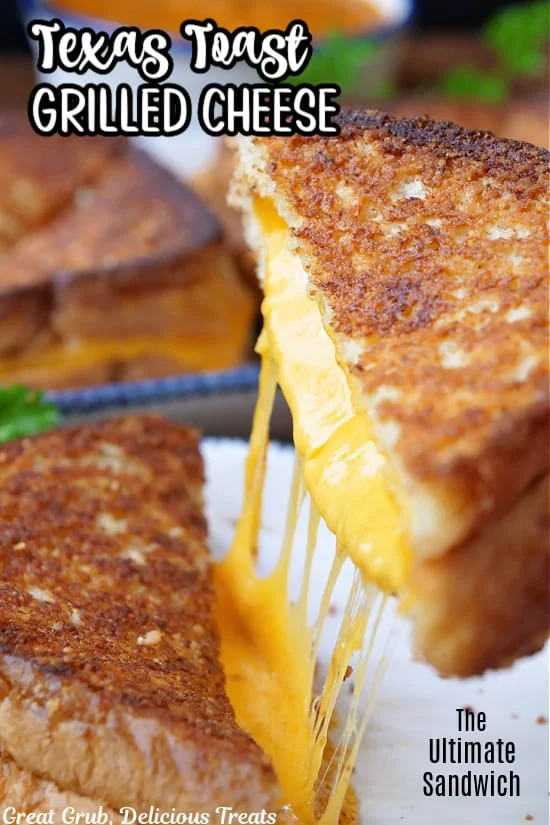
Texas Toast Grilled Cheese pairs thick slices of bread with sharp cheddar and a savoury Parmesan-garlic butter coating. It makes a rich, crisp-edged sandwich with a gooey centre in about 20 minutes.
Ingredients
- 227 g (1 cup)softened butter
- 100 g (1 cup)grated Parmesan cheese (from a green container)
- 2.5 ml (½ teaspoon)garlic salt (or garlic powder)
- 8 slicesthick-sliced Texas toast bread
- 4 slicessharp cheddar cheese
Instructions
- 1
Beat the butter
In a medium bowl, beat the softened butter until creamy.
- 2
Mix the spread
Add the grated Parmesan and garlic salt, then mix until combined.
- 3
Butter the bread
Spread a layer of the butter mixture on one side of each slice of bread.
- 4
Heat the skillet
Set a skillet over medium-low heat and place each slice of bread in it with the buttered side facing down.
- 5
Build the sandwiches
Put a slice of cheddar on each piece of bread in the skillet. Top with another slice of bread, buttered side facing up.
- 6
Cook until golden
Cook until the underside is golden, then flip and cook the other side until golden.
What is Texas toast grilled cheese?
Grilled cheese is an American comfort-food sandwich made by cooking bread around a melting cheese filling. Texas toast gives this version its thick, sturdy slices and substantial bite.
The Parmesan-garlic butter adds a savoury, crisp coating, while sharp cheddar brings a pronounced cheesy flavour. Cooking over medium-low heat gives the bread time to brown as the cheese melts.
Nutrition and macros by portion
The nutrition label shows one serving as written: 755 calories, 18g protein, 28g carbs, 64g fat.
| Portion | Adjustment | kcal | Protein | Carbs | Fat |
|---|---|---|---|---|---|
| Lighter | Use less Parmesan butter | 529 kcal | 13g | 20g | 45g |
| This serving | As written | 755 kcal | 18g | 28g | 64g |
| Hungry | Add another cheddar slice | 1133 kcal | 27g | 42g | 96g |
The bread supplies most of the carbohydrates, while the butter and Parmesan contribute much of the fat; cheddar provides protein as well as fat. Pair a sandwich with salad or vegetables for a more balanced plate.
The bread and cheese
Texas toast: Thick slices hold the filling well and give the sandwich a soft interior beneath its browned exterior. If your slices are especially large, cook them in batches so they fit comfortably in the skillet.
Sharp cheddar: One slice per sandwich provides the central layer of cheese. Keep it centred on the bread so it melts without spilling too far over the edges.
Making the Parmesan butter
Creamy butter: Beat the softened butter first so the Parmesan and garlic salt are easier to mix through evenly. Butter that is still firm can tear the bread when you spread it.
Even coating: Spread the mixture over one side of each slice in a thin, consistent layer. This helps the outside brown evenly without leaving bare patches.
Getting the browning right
Medium-low heat: A gentler setting helps the thick bread brown without scorching before the cheddar softens. Let the first side become golden before turning the sandwich.
Flip carefully: Use a wide spatula to support the sandwich as you turn it. Cook the second side until it is golden too.
Serving the sandwiches
Serve the sandwiches warm, when the cheddar is soft and stretchy and the crust is crisp. They are filling on their own, but a fresh green salad or sliced vegetables can add a lighter contrast.
If you are cooking all four at once, keep finished sandwiches warm while you make the next batch. Avoid stacking them tightly, which can soften the crisp exterior.
Timing and texture cues
The recipe takes 20 minutes in total, with the sandwiches cooked in a skillet over medium-low heat. The method gives no fixed cooking time for each side, so use colour and the softness of the cheese as your cues.
Look for an evenly golden surface rather than a very dark crust. If the bread colours quickly while the cheese remains firm, lower the heat and allow the sandwich more time.
Recipe notes & tips
- Soften the butter before mixing so the spread goes on smoothly.
- Mix the Parmesan and garlic salt thoroughly into the butter for an even flavour.
- Spread the butter mixture right to the edges of the bread.
- Keep the skillet at medium-low heat to avoid browning the bread too quickly.
- Use a wide spatula to flip the sandwiches without losing the filling.
- Serve soon after cooking for the crispest texture.
Variations
- Extra cheddar: Add another slice for a more generously filled sandwich.
- Garlic powder: Use garlic powder instead of garlic salt for a less salty seasoning.
- Herb butter: Stir finely chopped parsley into the Parmesan butter for a fresh note.
- Tomato: Add thin tomato slices with the cheddar, keeping them centred so they do not slide out.
- Spicy version: Add a little chilli powder to the butter mixture for gentle heat.
Common mistakes to avoid
- Butter too firm: It can tear the bread; soften it until it spreads easily.
- Uneven coating: Bare spots brown inconsistently; spread the butter mixture across the whole slice.
- Heat too high: The bread may darken before the cheese melts; cook over medium-low heat.
- Flipping too soon: The sandwich may lose its shape; wait until the first side is golden and set.
- Overfilling: Cheese can escape into the skillet; keep the slices centred and avoid adding too much.
How to store
These sandwiches are best eaten fresh. Refrigerate leftovers in an airtight container for up to 3 days, then reheat in a skillet over low heat until warmed through; the bread may be less crisp than when freshly cooked.
Frequently asked questions
Can I use garlic powder instead of garlic salt?
Yes. The ingredient list allows garlic powder as an alternative; mix it into the butter with the Parmesan.
Why cook the sandwiches over medium-low heat?
The thick bread needs time to brown while the cheddar softens. Lower heat helps keep the outside from becoming too dark too quickly.
How can I tell when a sandwich is ready?
The bread should be golden on both sides and the cheese should be soft and melted. The recipe does not specify a fixed cooking time per side.
Can I prepare the butter mixture ahead?
Yes. Mix it ahead and keep it covered in the refrigerator; let it soften enough to spread before assembling the sandwiches.
Can I cook these without a skillet?
The recipe is written for a skillet. A flat griddle can also be used, following the same medium-low heat and browning cues.
Cook it from the original
This recipe comes from greatgrubdelicioustreats.com. Their page has the author’s own photos, notes and tips — the best place to cook it from.
Open the recipe on greatgrubdelicioustreats.com