
Roasted Butternut Squash
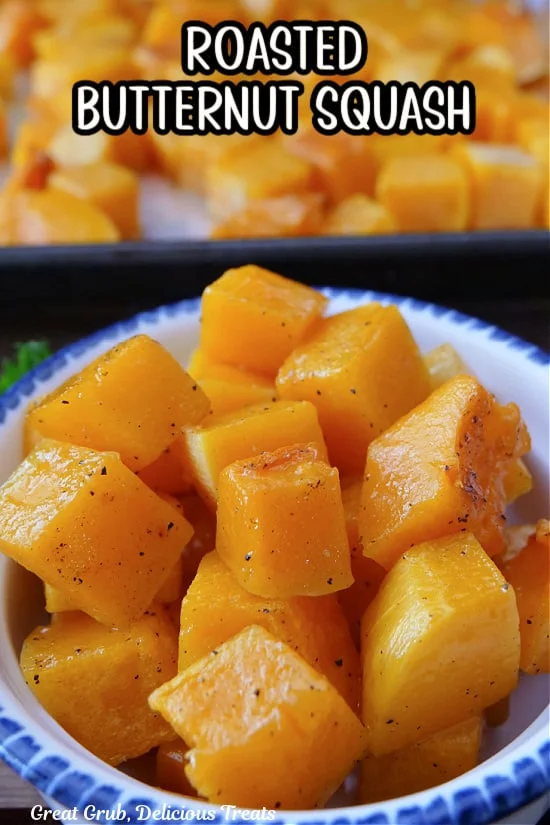
Roasted butternut squash is a simple, versatile preparation that can be served as a side or puréed for soups, pasta dishes and baking. Roast it in halves for soft flesh to scoop out, or cut it into cubes for browned, tender pieces.
Ingredients
- 1butternut squash
- as needednon-stick cooking spray
- a littleolive oil
- to tastesalt
- to tasteblack pepper
Instructions
- 1
Heat the oven
For roasting the squash in halves, preheat the oven to 204°C (400°F) and line a baking sheet with aluminium foil.
- 2
Prepare the halves
Carefully cut the squash in half lengthways, then scoop out the seeds and strings.
- 3
Arrange the squash
Coat the foil with non-stick cooking spray and set the squash on it, cut-side down. Spray the upper side of the squash as well.
- 4
Roast the halves
Roast for 50 minutes.
- 5
Scoop and purée
Take the squash out of the oven and let it cool. Scoop out the flesh and purée it.
- 6
Use the purée
Add it to desserts, soups or pasta dishes as you like.
- 7
Heat the oven
For roasted cubes, preheat the oven to 204°C (400°F).
- 8
Cut into cubes
Halve the squash and remove the seeds, then cut the flesh into cubes.
- 9
Season the cubes
Toss the cubes with a little olive oil, salt and black pepper, then spread them out on a baking sheet.
- 10
Roast until tender
Roast for 20–25 minutes, or until the squash is tender.
- 11
Serve the cubes
Serve as a simple side, or add the cubes to salads or pasta dishes.
What is roasted butternut squash?
Butternut squash is a winter squash with sweet, orange flesh that softens as it cooks. Roasting is a straightforward American-style preparation that brings out its natural sweetness without needing a complicated seasoning blend.
This recipe gives you two useful finishes: soft squash to scoop and purée, or bite-sized cubes for serving whole. Both methods make the squash easy to use in other dishes.
Nutrition and macros by portion
The nutrition label shows one serving as written: 56 calories, 1g protein, 15g carbs, 0g fat.
| Portion | Adjustment | kcal | Protein | Carbs | Fat |
|---|---|---|---|---|---|
| Lighter | Use less olive oil | 39 kcal | 1g | 11g | 0g |
| This serving | As written | 56 kcal | 1g | 15g | 0g |
| Hungry | Serve a larger portion | 84 kcal | 2g | 23g | 0g |
The squash supplies most of the carbohydrate, while the recipe as listed contributes very little fat or protein; olive oil in the cube method adds some fat. Serve it with a protein-rich main and another vegetable or salad for a more balanced plate.
Choose your roasting method
Halves: roast the squash cut-side down, then scoop out the softened flesh. This approach suits purées for soups, pasta sauces and baking.
Cubes: cut the flesh into evenly sized pieces, toss them with oil and seasoning, and spread them across the tray. The cubes are ready to serve as a side or fold into salads and pasta.
Cutting and preparing the squash
Halves: use a stable chopping board and take care when cutting lengthways through the firm squash. Scoop away the seeds and stringy centre before roasting.
Cubes: remove the seeds first, then cut the flesh into pieces of similar size so they cook at a similar rate. Keep the pieces spread out rather than piled up.
How to judge doneness
Halves: the recipe gives a 50-minute roasting time; the flesh should be soft enough to scoop once it has cooled enough to handle.
Cubes: begin checking at 20 minutes, within the stated 20–25-minute range. They are ready when tender.
Keep the tray uncrowded
Cubes: spread them out on the baking sheet so the pieces roast rather than steam against one another. If they do not fit with space between them, use another tray.
Halves: place them cut-side down on the foil as directed, and coat the foil and the upper side with cooking spray to help with sticking.
Ways to serve it
Puréed squash can go into soups, pasta dishes and desserts, including quick breads. Let it cool before scooping and puréeing.
Roasted cubes make a simple side and can also be added to salads or pasta. Their mild sweetness works well alongside savoury ingredients.
Recipe notes & tips
- Use a sharp, sturdy knife and a stable board when halving the squash.
- Scrape out the seeds and strings thoroughly before roasting.
- Cut cubes to a similar size to help them cook evenly.
- Give the cubes room on the baking sheet rather than crowding them.
- Cool roasted halves enough to handle before scooping out the flesh.
Variations
- Add herbs: toss the cubes with dried or fresh herbs along with the oil and seasoning.
- Try warm spices: add a pinch of cinnamon or cumin to the cubes before roasting.
- Make it savoury: finish roasted cubes with a little grated cheese before serving.
- Blend into soup: purée the cooked halves and stir the flesh into your favourite soup.
- Use in baking: purée the cooled flesh for quick breads or other desserts.
Common mistakes to avoid
- Cutting on an unstable board: secure the board and work carefully through the firm squash.
- Leaving strings behind: scoop out the seeds and stringy centre before cooking.
- Uneven cubes: cut pieces to a similar size so they become tender at about the same time.
- Crowding the tray: spread the cubes out or use another baking sheet.
- Handling halves while hot: let them cool before scooping out the flesh.
How to store
Refrigerate cooked squash in a covered container and use within 3–4 days. Reheat cubes in the oven or microwave until hot, or warm purée in a saucepan, stirring as needed.
Frequently asked questions
Do I need to peel the squash before roasting?
No peeling is needed for either method described here. For halves, scoop the cooked flesh from the skin; for cubes, cut the flesh away from the skin before roasting.
How can I tell when the squash halves are done?
The recipe roasts them for 50 minutes. After cooling enough to handle, check that the flesh is soft enough to scoop.
How long do the cubes take to roast?
Roast them for 20–25 minutes at 204°C (400°F), checking for tenderness during that range.
Can I make the purée ahead?
Yes. Cool the cooked squash, scoop out the flesh and purée it, then refrigerate it in a covered container.
What can I make with the puréed squash?
Use it in soups, pasta dishes or desserts such as quick breads.
Can roasted cubes go into a salad?
Yes. The recipe suggests using the cubes in salads; let them cool first if you want them served at room temperature.
Cook it from the original
This recipe comes from greatgrubdelicioustreats.com. Their page has the author’s own photos, notes and tips — the best place to cook it from.
Open the recipe on greatgrubdelicioustreats.com