
Lamb Tikka Masala
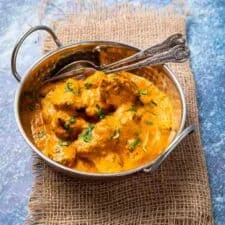
Lamb tikka masala pairs tender, slowly simmered lamb with a creamy, spiced tomato sauce. It is a comforting curry for a leisurely cook, served with rice or naan to catch every bit of sauce.
Ingredients
- 30 ml (1 tbsp)ghee
- 800 g (2 lb)lamb shoulder, cubed
- 30 ml (2 tbsp)ground turmeric
- 500 ml (2 cups)curry base sauce
- 30 ml (2 tbsp)vegetable oil
- 3garlic cloves, peeled and crushed
- 2.5 cm (1 in)fresh ginger, peeled and finely diced
- 5 ml (1 tsp)dried onion powder
- 5 ml (1 tsp)ground cumin
- 5 ml (1 tsp)ground coriander
- 5 ml (1 tsp)paprika
- 10 ml (2 tsp)curry powder
- 5 ml (1 tsp)dried fenugreek leaves
- 90 ml (6 tbsp)tomato paste
- 60 ml (4 tbsp)ground almonds
- 15 ml (1 tbsp)brown sugar
- 5 ml (1 tsp)garam masala
- 250 ml (1 cup)single cream
- 90 ml (6 tbsp)fresh coriander, washed and finely chopped
Instructions
- 1
Heat the ghee
Warm the ghee in a large ovenproof casserole.
- 2
Brown the lamb
Coat the lamb with the turmeric, then brown it on all sides in the casserole.
- 3
Add the sauce
Pour in the curry base sauce, stir, and cover the casserole with a lid.
- 4
Simmer until tender
Cook over a low heat until the lamb is cooked through and tender; this took about 90 minutes. Set the lamb and sauce aside.
- 5
Heat the oil
Warm the vegetable oil in a large frying pan.
- 6
Fry aromatics
Cook the garlic and ginger over a low heat for 1 minute.
- 7
Add the lamb
Transfer the cooked lamb and its sauce to the frying pan and stir.
- 8
Simmer the spices
Add the onion powder, cumin, coriander, paprika, curry powder, fenugreek, tomato paste, ground almonds and brown sugar. Stir, then let the curry simmer gently for 10 minutes.
- 9
Finish the sauce
Add the cream and garam masala and stir well. Simmer for a further 5 minutes.
- 10
Garnish and serve
Scatter over the chopped coriander and serve with rice, naan and your preferred Indian side dishes.
What is lamb tikka masala?
Tikka masala is a curry-house favourite built around spiced sauce and pieces of meat. Its history is often associated with British Indian cooking, drawing on South Asian flavours and a rich, tomato-based sauce.
Here, lamb shoulder is cooked slowly in curry base sauce before being finished with spices, almonds and cream. That two-stage method gives the meat time to become tender while the final sauce develops its flavour.
Nutrition and macros by portion
The nutrition label shows one serving as written: 383 calories, 30g protein, 11g carbs, 23g fat.
| Portion | Adjustment | kcal | Protein | Carbs | Fat |
|---|---|---|---|---|---|
| Lighter | Less cream, extra vegetables | 268 kcal | 21g | 8g | 16g |
| This serving | As written | 383 kcal | 30g | 11g | 23g |
| Hungry | Larger portion with rice | 575 kcal | 44g | 17g | 34g |
The lamb supplies much of the protein and fat, while the curry base sauce, tomato paste and brown sugar contribute carbohydrates; ghee, oil, cream and ground almonds also add fat. Serve with a generous portion of vegetables alongside a measured portion of rice or naan to round out the plate.
Why cook the lamb first?
Lamb shoulder: its fat and connective tissue suit a long, gentle simmer, which helps the cubes become tender. Cut the pieces fairly evenly so they cook at a similar pace.
Curry base: simmering the lamb in the sauce carries its flavour through the meat. Keep the heat low and the casserole covered as directed.
Building the flavour
Garlic and ginger: frying them gently for 1 minute softens their raw edge without needing a high heat. Keep them moving and watch that they do not catch.
Spices and tomato: stirring these into the lamb lets the curry simmer for 10 minutes before the cream goes in. The ground almonds and tomato paste help give the sauce body.
Getting the texture right
Tender lamb: the recipe gives about 90 minutes as a guide, but check the meat rather than relying on the clock alone. It should be tender when pierced and easy to bite.
Creamy finish: add the single cream and garam masala for the final 5 minutes of simmering. Keep the curry at a gentle simmer rather than a vigorous boil.
Timing the cooking
The lamb's long simmer is the main part of the cooking time, followed by a short finish in the frying pan. Prepare and measure the spices while the lamb cooks so they are ready to add together.
If the lamb is not tender after about 90 minutes, continue simmering gently and check it periodically. The exact time can vary with the size of the pieces and the cut.
What to serve with it
Rice: its mild flavour makes a useful base for the creamy curry sauce. Naan is another good option for scooping up the lamb and sauce.
Sides: serve with your favourite Indian accompaniments, such as a vegetable dish or something fresh and cooling. Keep the portions of rice and naan suited to how filling you want the meal to be.
Recipe notes & tips
- Brown the lamb in batches if the casserole is crowded, so the pieces can colour rather than steam.
- Keep the first simmer low and covered to help the lamb cook gently in the curry base.
- Use a spoon to scrape any browned bits from the casserole into the sauce when adding the lamb.
- Measure the spices, tomato paste and almonds before starting the final stage, as they are added together.
- Add the cream at the end and keep the curry at a gentle simmer for its final 5 minutes.
Variations
- Use another meat: the recipe can be made with a different meat, adjusting the simmering time until it is cooked and tender.
- Add vegetables: stir in cooked vegetables near the end so they warm through without turning soft.
- Adjust the richness: use less cream for a less creamy finish, while keeping the other ingredients unchanged.
- Change the garnish: finish with extra chopped coriander or leave it off if preferred.
- Serve with flatbread: offer naan instead of rice, or serve both for a more substantial meal.
Common mistakes to avoid
- Crowding the casserole: the lamb may not brown evenly; brown it in batches if needed.
- Cooking too hot: the sauce can catch before the lamb is tender; keep the first simmer low and covered.
- Rushing the lamb: tough pieces need more time; continue simmering gently until tender.
- Frying the garlic too hard: it can turn bitter; cook it with the ginger over a low heat for 1 minute.
- Boiling the cream vigorously: the sauce may lose its smooth finish; keep the final simmer gentle.
How to store
Cool leftovers promptly and refrigerate them in a covered container for up to 3 days. Reheat gently in a saucepan until piping hot throughout, adding a small splash of water if the sauce has thickened.
Frequently asked questions
Can I use a different cut of lamb?
Yes. The recipe says it works with any cut of lamb, though the cooking time may differ. Check for tenderness as it simmers.
Can I make this with another meat?
Yes, the recipe notes that other meats can be used. Adjust the simmering time to suit the meat and check that it is cooked through.
How do I know when the lamb is ready?
After about 90 minutes, test a piece with a fork. It should be tender and easy to bite; if not, keep simmering gently and check again.
Can I prepare the curry ahead?
You can cook it ahead and refrigerate it once cooled. Reheat it gently until piping hot throughout.
What should I serve with lamb tikka masala?
The recipe suggests rice, naan and your favourite Indian side dishes. Choose one or more to serve alongside the curry.
Cook it from the original
This recipe comes from greedygourmet.com. Their page has the author’s own photos, notes and tips — the best place to cook it from.
Open the recipe on greedygourmet.com