
Pizza Dough
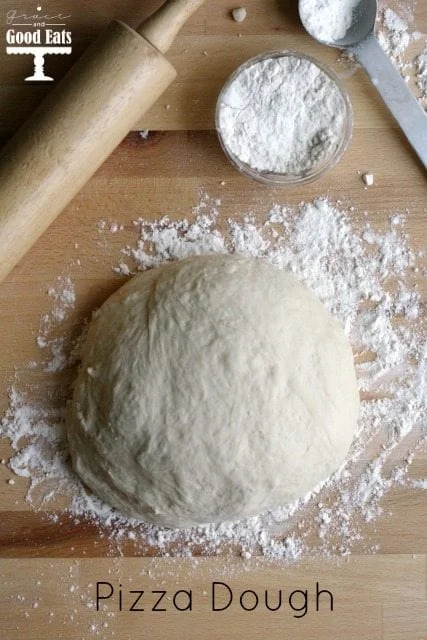
This simple homemade pizza dough makes two bases, ready to roll out and top with your favourites. A short knead develops an elastic texture, while a single rise gives the dough time to become light and puffy.
Ingredients
- 315 ml (1⅓ cups)warm water
- 13 g (1 tbsp)sugar
- 7 g (1 packet; ¼ oz or 2¼ tsp)active dried yeast
- 45 ml (3 tbsp)olive oil
- 450 g (3¾ cups)plain flour
- 7.5 g (1½ tsp)salt
Instructions
- 1
Warm the water
Whisk the sugar into the warm water. It should be about 41°C (105°F), warm enough to feel almost too hot to the touch, but not so hot that it harms the yeast.
- 2
Activate the yeast
Sprinkle the yeast over the water and leave it for about 10 minutes, until foamy.
- 3
Mix the dry ingredients
Stir the olive oil into the yeast mixture. In a large bowl, whisk together the flour and salt.
- 4
Combine the mixtures
Make a well in the centre of the flour mixture and pour in the yeast mixture.
- 5
Make rough dough
Gradually stir with a wooden spoon until the ingredients come together into a rough dough.
- 6
Knead until smooth
Knead the dough until it feels smooth and elastic. You can turn it out onto a lightly floured surface, or knead it in the bowl.
- 7
Knead for five minutes
Continue kneading for about 5 minutes, dusting with more flour as needed.
- 8
Shape two balls
Divide the dough into two balls and place each in its own bowl coated with olive oil.
- 9
Let the dough rise
Cover the bowls with plastic wrap and leave the dough until doubled in size.
- 10
Roll and top
Roll out the dough and add toppings as desired.
What is pizza dough?
Pizza dough is a leavened bread dough used as the base for pizza. Pizza is closely associated with Naples and Italian cooking, and this straightforward version uses yeast, flour, water, oil and salt to make two bases.
The method relies on activating the yeast before mixing and kneading the dough until elastic. Those steps help create a workable base that can be rolled out and topped.
Nutrition and macros by portion
The nutrition label shows one serving as written: 1061 calories, 24g protein, 184g carbs, 23g fat.
| Portion | Adjustment | kcal | Protein | Carbs | Fat |
|---|---|---|---|---|---|
| Lighter | Use less oil | 743 kcal | 17g | 129g | 16g |
| This serving | As written | 1061 kcal | 24g | 184g | 23g |
| Hungry | Make a larger base | 1592 kcal | 36g | 276g | 35g |
Most of the carbohydrates come from the flour, while olive oil supplies most of the fat and the flour contributes some protein. Pair a portion with vegetables and a protein-rich topping such as beans, cheese or chicken to round out the plate.
Choosing and measuring the ingredients
Flour: Plain flour makes a reliable dough for home cooks. Spoon it into the measuring cup and level it off if using cups, rather than packing it down.
Yeast: Use active dried yeast and check that it foams after standing in the sweetened water. Olive oil adds richness and also coats the bowls for the rise.
Getting the yeast started
Water temperature: Aim for about 41°C (105°F), as in the method. Water that is too cool may not activate the yeast promptly, while excessively hot water can damage it.
Foam: Give the yeast about 10 minutes to show a foamy surface before continuing. If it remains inactive, check the yeast's freshness and the water temperature.
Kneading for a supple dough
Texture: Knead until the dough looks smoother and feels elastic rather than ragged. A lightly floured surface or the mixing bowl both work.
Flour: Add extra flour gradually, just enough to make the dough manageable. Too much can leave the finished base firm and dry.
Knowing when it has risen
Rise: The recipe gives a visual cue rather than a fixed rising time: wait until the dough has doubled in size. The time can vary with the warmth of the room.
Portioning: Divide the dough into two balls before the rise and keep each in its own oiled bowl. This makes it easier to take out one base at a time.
Rolling and topping
Shape: Roll the risen dough to the thickness you prefer, keeping the surface lightly floured if it sticks. Handle it gently so it remains easy to stretch and shape.
Toppings: Use a moderate amount of sauce and toppings so the base is not overloaded. Serve with a green salad or roasted vegetables for a simple meal.
Recipe notes & tips
- Measure the water and check that it is close to 41°C (105°F) before adding the yeast.
- Wait for visible foam on the yeast mixture before adding it to the flour.
- Add any extra flour a little at a time while kneading.
- Oil each bowl lightly so the dough can be removed more easily after rising.
- Let the dough rise until doubled rather than relying only on the clock.
- Keep the toppings moderate so the base can support them.
Variations
- Wholemeal flour: Replace some plain flour with wholemeal flour for a nuttier dough.
- Herb dough: Mix dried oregano or basil into the flour and salt.
- Garlic oil: Stir a little crushed garlic into the olive oil before mixing it in.
- Cheesy edge: Scatter grated cheese around the edge before folding it over.
- Thin bases: Roll the dough thinner for a crispier-style base.
Common mistakes to avoid
- Water too hot: It can damage the yeast; check the temperature and keep it around 41°C (105°F).
- Inactive yeast: The mixture should turn foamy after about 10 minutes; replace yeast that stays flat.
- Too much flour: The dough can become dry and tough; dust lightly and add only what is needed.
- Under-kneading: The dough may stay rough and less elastic; knead for about 5 minutes as directed.
- Rushing the rise: The dough may be dense if it has not doubled; give it more time before rolling.
- Overloading toppings: A heavily topped base can become difficult to handle; use a moderate layer.
How to store
Keep unused dough covered in an airtight container in the fridge and use within 2 days. Bring it towards room temperature before rolling; for longer storage, freeze the dough balls and thaw them in the fridge.
Frequently asked questions
How do I know the yeast is active?
After about 10 minutes in the sweetened warm water, it should look foamy. If it does not, check that the yeast is fresh and the water was not too hot or too cool.
Can I knead the dough in the bowl?
Yes. The method allows you to knead in the bowl or turn the dough out onto a lightly floured surface.
How long should the dough rise?
Wait until it has doubled in size. The recipe does not set a fixed rising time, so use the dough's appearance as your guide.
Can I make the dough ahead?
Yes. Cover it and refrigerate it, then use it within 2 days. Let it warm up a little before rolling.
Can I freeze the dough?
Yes. Freeze the dough balls in airtight wrapping, then thaw them in the fridge before using. Let them soften towards room temperature before rolling.
Why is my dough sticking?
It may need a light dusting of flour or a little more kneading. Add flour gradually so the dough does not become dry.
Cook it from the original
This recipe comes from graceandgoodeats.com. Their page has the author’s own photos, notes and tips — the best place to cook it from.
Open the recipe on graceandgoodeats.com