
Gurkha chicken cardamom curry
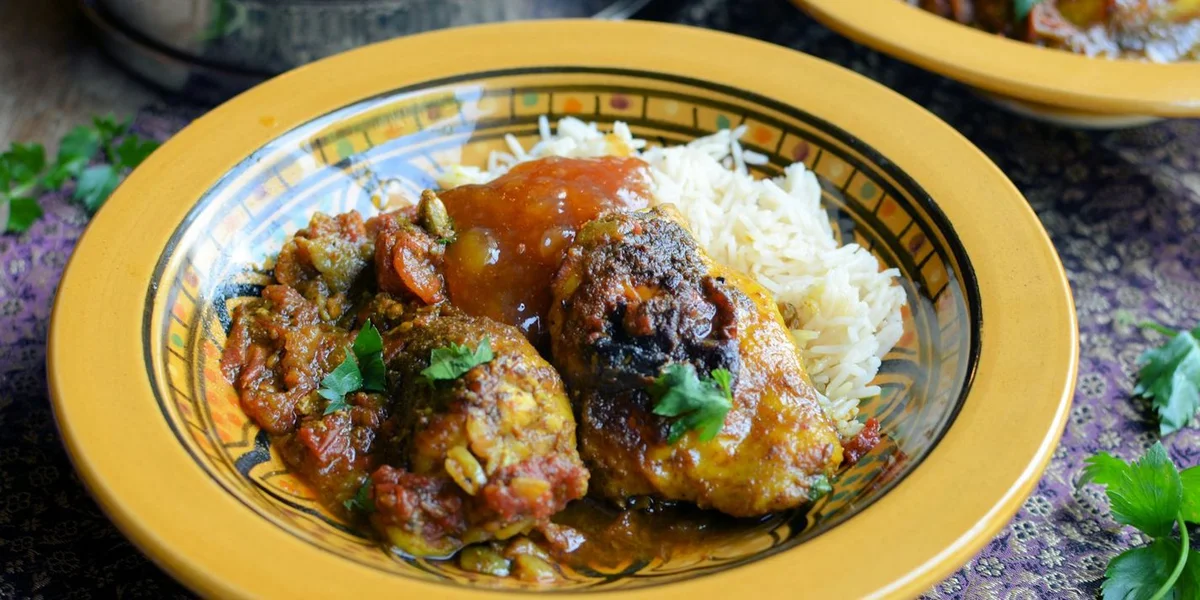
This Gurkha-inspired chicken curry combines yoghurt-marinated chicken with cardamom, warm spices and a rich tomato masala. It takes about an hour to cook, plus at least an hour to marinate, and makes a fragrant change from a more familiar curry.
Ingredients
- 2 kgchicken thighs
- 250 mlnatural yoghurt
- 8cardamom pods, crushed to release the seeds
- 1 tbspfresh ginger, peeled and grated
- 1 bulbgarlic, cloves peeled and finely minced
- 1½ tspfennel seeds
- 1 tsphot chilli powder
- 4 tbspvegetable oil
- 1cinnamon stick
- 4cloves
- 2 tspcumin seeds
- 1 largeonion, peeled and finely diced
- 4 largetomatoes, roughly chopped
- 1 tspground turmeric
- 1 tbspground cumin
- 1 tbspground coriander
- 1bay leaf
- 350 mlcold water
- to garnishfresh coriander
Instructions
- 1
Make the masala
Grind the yoghurt with the cardamom seeds, ginger, garlic, fennel seeds and chilli powder until you have a smooth paste.
- 2
Marinate the chicken
Season the chicken with a little salt, then coat it with the masala paste. Leave to marinate for at least 1 hour.
- 3
Brown the onion
Heat the oil in a large pan until a faint blue haze appears. Add the cinnamon stick, cloves, cumin seeds and onion, and cook until the onion is golden brown.
- 4
Add the chicken
Add the marinated chicken to the pan with the onion and whole spices, scraping in as much of the marinade as possible. Add the tomatoes, turmeric, ground cumin, ground coriander and bay leaf.
- 5
Bring to the boil
Return the pan to the heat without stirring. When oil begins to rise slowly to the surface, carefully add the cold water and bring the curry back to the boil.
- 6
Simmer until tender
Cover and simmer over a low heat until the chicken is cooked through and tender, stirring occasionally. Alternatively, transfer everything to an ovenproof tray and bake until the meat is tender and the skin is crisp, if using skin-on thighs.
- 7
Serve the curry
Serve the chicken on a bed of rice and spoon over the masala sauce from the pan.
What is Gurkha chicken curry?
This is a chicken curry with a yoghurt-based marinade and a warmly spiced tomato sauce, scented with cardamom, fennel, cinnamon and cloves. The name points to Gurkha cooking traditions associated with Nepal, while the recipe’s combination of spices and method gives it its own character.
Yoghurt helps the spices cling to the chicken, and the later addition of tomatoes and water turns the marinade and pan spices into a generous sauce. The result is aromatic and creamy in feel, with heat from the chilli.
Nutrition and macros by portion
The nutrition label shows one serving as written: 1050 calories, 67g protein, 16g carbs, 78g fat.
| Portion | Adjustment | kcal | Protein | Carbs | Fat |
|---|---|---|---|---|---|
| Lighter | Less oil, more vegetables | 735 kcal | 47g | 11g | 55g |
| This serving | As written | 1050 kcal | 67g | 16g | 78g |
| Hungry | Larger portion with rice | 1575 kcal | 101g | 24g | 117g |
The chicken provides most of the protein, while the yoghurt and vegetable oil contribute much of the fat. Rice, if served as directed, supplies most of the meal’s carbohydrates; tomatoes and onion add smaller amounts. Balance the plate with a generous portion of vegetables alongside the curry.
The yoghurt and spice marinade
Smooth paste: grind the yoghurt, cardamom, ginger, garlic, fennel and chilli together so the flavourings coat the chicken evenly.
Marinating time: allow at least an hour, as directed. Since this is longer than the stated 60-minute cooking time, plan for the marinating period separately.
Building flavour in the pan
Whole spices: let the cinnamon, cloves and cumin seeds heat in the oil with the onion. The onion should be golden brown before the chicken goes in.
Masala: add the chicken with its marinade, then the tomatoes and ground spices. Keep the whole spices in the pan; they flavour the sauce as it cooks.
When to add the water
Wait for the oil: after adding the chicken and tomatoes, the recipe directs you to leave the mixture unstirred until oil begins to rise to the surface. Watch for that cue before moving on.
Careful pour: add the cold water gently, then bring the pan back to the boil. Once it is bubbling, cover it and lower the heat for the simmer.
How to tell the chicken is ready
Tender meat: simmer until the chicken is cooked through and tender, stirring occasionally so the sauce cooks evenly. The method gives no fixed simmering time, so use the texture of the meat as your guide.
Oven option: for skin-on thighs, the recipe also allows baking in an ovenproof tray until the meat is tender and the skin crisp. It does not specify an oven temperature, so use a suitable temperature for cooking chicken safely.
Serving the curry
Rice: serve the chicken over rice and spoon the masala sauce over the top, as suggested in the method. Fresh coriander adds a bright finish.
For the table: a simple vegetable side or a crisp salad can balance the rich, aromatic sauce without competing with the cardamom.
Recipe notes & tips
- Crush the cardamom pods so their seeds are released before blending the marinade.
- Scrape the marinade into the pan with the chicken rather than leaving it behind in the bowl.
- Let the onion turn golden before adding the chicken to develop the base of the curry.
- Keep the heat low once the covered pan reaches a simmer to cook the chicken gently.
- Stir occasionally during the simmer, as specified, to help the sauce cook evenly.
- If using the oven option, choose skin-on thighs for the crisp-skin result described in the method.
Variations
- Adjust the chilli: use less hot chilli powder for a gentler curry.
- Use boneless thighs: cut the chicken into even pieces and check for tenderness as it cooks.
- Add vegetables: serve with cooked vegetables on the side to make the meal more substantial.
- Choose the oven method: bake the curry in an ovenproof tray when using skin-on thighs, as described.
- Change the garnish: scatter extra fresh coriander over the curry just before serving.
Common mistakes to avoid
- Skipping the marinade: leave the chicken in the masala for at least an hour as directed.
- Adding chicken too soon: wait until the onion is golden brown before adding the marinated pieces.
- Leaving marinade behind: scrape as much of it as possible into the pan with the chicken.
- Stirring before the oil rises: leave the mixture alone at this stage and wait for the surface cue.
- Boiling throughout: bring the curry back to the boil, then cover and simmer over low heat.
- Guessing the finish: cook until the chicken is tender and cooked through rather than relying on a fixed time not given in the method.
How to store
Cool leftovers promptly and refrigerate in a covered container for up to 3 days. Reheat thoroughly in a pan over a gentle heat, stirring occasionally; add a splash of water if the sauce has thickened. Store rice separately and reheat it until steaming hot.
Frequently asked questions
How long does the chicken need to marinate?
At least 1 hour. The stated 60-minute total time does not include this marinating period.
Can I use boneless chicken thighs?
Yes, though the recipe does not specify boneless thighs. Check them as they cook and stop once they are cooked through and tender.
Why should I wait for oil to rise before adding water?
That is the visual cue given in the method to move to the next stage. Leave the mixture unstirred until you see oil rising slowly to the surface.
Can I make this curry in the oven?
The method offers an oven option for skin-on thighs: transfer the whole dish to an ovenproof tray and bake until the meat is tender and the skin is crisp. No oven temperature is provided in the recipe.
What should I serve with Gurkha chicken curry?
The method suggests serving it over rice, with the masala sauce spooned on top. Fresh coriander is listed as a garnish.
Can I prepare the curry ahead?
You can marinate the chicken ahead and keep it covered in the fridge. Cook the curry before serving, or refrigerate cooked leftovers promptly and reheat them thoroughly.
Cook it from the original
This recipe comes from greatbritishchefs.com. Their page has the author’s own photos, notes and tips — the best place to cook it from.
Open the recipe on greatbritishchefs.com