
Pasta Alla Norma
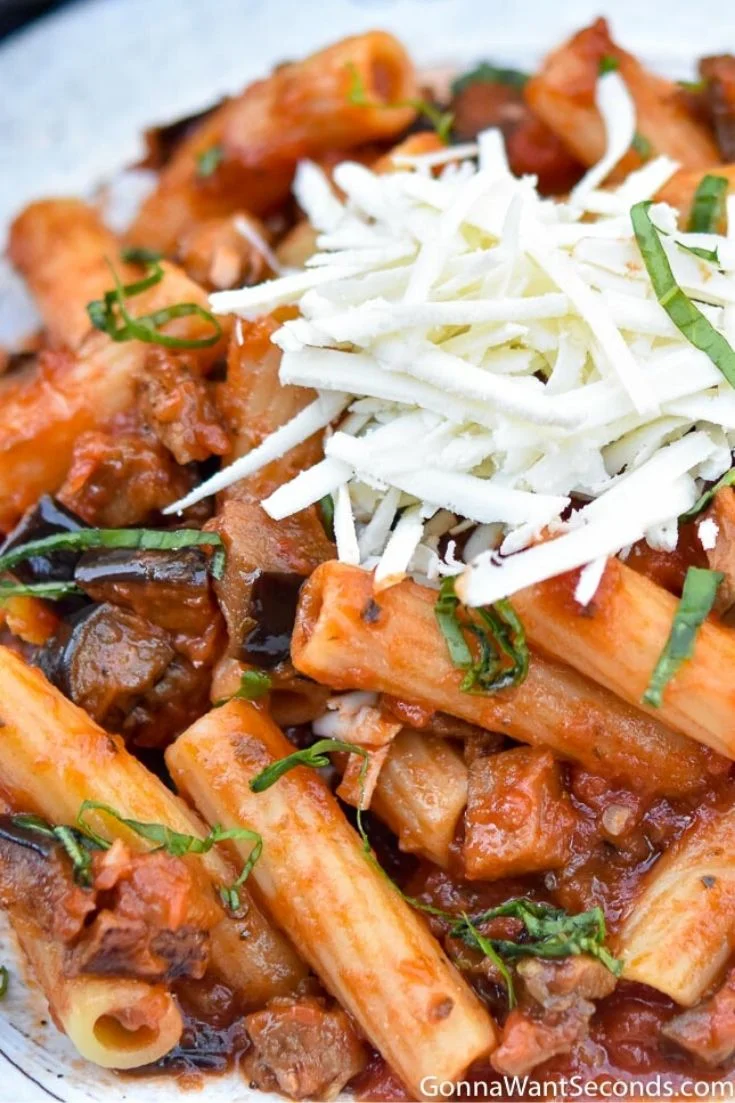
Pasta alla Norma pairs pasta with a rich tomato sauce, tender fried aubergine, basil and a generous topping of ricotta salata. It makes a satisfying Italian meal, with the aubergine and sauce easy to prepare while the pasta cooks.
Ingredients
- 454 g (1 pound)tube-shaped pasta
- 60 ml (1/4 cup), dividedregular olive oil
- 680 g (1 1/2 pounds), cut into 1.3 cm (1/2-inch) cubesaubergine
- 1 teaspoonanchovy paste
- 1 tablespoon, finely choppedgarlic
- 1/4 teaspoonred pepper flakes
- 794 g (1 28-ounce can)crushed tomatoes
- 1/2 teaspoonsalt
- 1 pinchgranulated sugar
- 1 teaspoonItalian seasoning
- 1 teaspoondried oregano
- 15 g (1/3 cup), juliennedfresh basil
- 1 tablespoonextra-virgin olive oil
- 50 g (1/2 cup), shreddedricotta salata
Instructions
- 1
Cook the pasta
Cook the pasta in well-salted water according to the packet instructions until al dente. Reserve 120 ml (1/2 cup) of the cooking water, then drain.
- 2
Brown the aubergine
Heat 2 tablespoons of olive oil in a large frying pan over a medium-high heat until shimmering. Cook the aubergine in uncrowded batches in a single layer until golden and soft, about 10 minutes, turning it once halfway through. Season with salt, transfer to a plate without draining it on kitchen paper, and cook the remaining aubergine, adding more oil as needed.
- 3
Cook pasta again
Meanwhile, bring 3.8 litres (4 quarts) of well-salted water to the boil in a large saucepan. Add the pasta and cook according to the packet instructions until al dente. Reserve 120 ml (1/2 cup) of the cooking water, drain the pasta and return it to the cooking pot.
- 4
Start the sauce
Pour off and discard all but 2 tablespoons of oil from the frying pan. If less remains, add olive oil to make up the difference. Lower the heat, add the anchovy paste, garlic and red pepper flakes, and cook, stirring constantly, until the garlic is fragrant.
- 5
Simmer the tomatoes
Add the tomatoes, salt, sugar, Italian seasoning and oregano. Raise the heat and bring the sauce to the boil, then lower the heat and simmer, stirring occasionally, until thickened, 8–10 minutes.
- 6
Finish and serve
Return the cooked aubergine to the pan, stir it in gently and simmer until heated through. Add the basil and extra-virgin olive oil and stir. Adjust the salt and pepper, then pour the sauce over the pasta. Stir in reserved pasta water as needed until the sauce coats the pasta. Divide between bowls, top with ricotta salata and serve.
What is pasta alla Norma?
Pasta alla Norma is a Sicilian pasta dish associated with Catania, traditionally made with tomato, fried aubergine, basil and ricotta salata. Its name is often linked to the opera Norma by the Catania-born composer Vincenzo Bellini.
This version builds a robust tomato sauce around browned aubergine and finishes with salty, firm ricotta salata. The combination gives the dish sweetness, savoury depth and a fresh herbal note.
Nutrition and macros by portion
The nutrition label shows one serving as written: 494 calories, 16g protein, 75g carbs, 16g fat.
| Portion | Adjustment | kcal | Protein | Carbs | Fat |
|---|---|---|---|---|---|
| Lighter | Less oil, more aubergine | 346 kcal | 11g | 53g | 11g |
| This serving | As written | 494 kcal | 16g | 75g | 16g |
| Hungry | Larger pasta portion | 741 kcal | 24g | 113g | 24g |
The pasta supplies most of the carbohydrates, while olive oil contributes much of the fat; the aubergine and ricotta salata also add some fat and protein. The cheese provides additional protein and saltiness. Balance the plate with a green salad or extra vegetables alongside.
Choosing the ingredients
Pasta shape: Tube-shaped pasta catches the tomato sauce inside and out. Choose a shape with ridges or openings to help the aubergine and sauce cling to each bite.
Aubergine: Cutting it into even cubes helps the pieces cook at a similar pace. The recipe browns the aubergine in batches so it can soften and colour rather than steam.
Ricotta salata: This salted, pressed cheese is firm enough to shred over the finished pasta. Add it at the table so its texture and savoury flavour remain distinct.
Why fry the aubergine in batches?
Crowding the pan traps moisture and makes browning harder. Arrange the cubes in a single layer, leaving a little space between them, and cook additional batches with more oil as needed.
Turn the cubes once halfway through cooking, as directed, to brown more than one side. Transfer them to a plate rather than kitchen paper so they retain some of their cooking oil.
Building the tomato sauce
Aromatics: Once most of the oil is removed from the pan, gently cook the anchovy paste, garlic and red pepper flakes over low heat. Keep stirring, and take the pan off the heat if the garlic starts to colour too quickly.
Tomatoes: Simmer the crushed tomatoes with the seasonings for 8–10 minutes, stirring occasionally. The sauce is ready when it has thickened enough to cling to the aubergine and pasta.
Getting the pasta texture right
Al dente: Follow the packet timing and check the pasta near the end of cooking so it still has a slight bite. Well-salted cooking water seasons the pasta from within.
Pasta water: Keep the reserved water before draining. Stir it into the sauce-coated pasta a little at a time until the sauce loosens and clings evenly, rather than pooling at the bottom of the bowl.
Timing and serving
The method can be coordinated so the tomato sauce simmers while the pasta cooks, with the aubergine browned beforehand. The method lists pasta cooking twice; follow the packet timing and reserve cooking water as instructed.
Serve the pasta hot, with ricotta salata scattered over each portion. A simple green salad or steamed greens make a fresh contrast to the rich tomato and aubergine.
Recipe notes & tips
- Cut the aubergine into evenly sized cubes so they soften at a similar rate.
- Let the oil shimmer before adding each batch of aubergine.
- Stir the garlic constantly over low heat to keep it from burning.
- Reserve the pasta water before draining, as it helps adjust the finished sauce.
- Add the reserved water gradually so the sauce does not become too thin.
- Shred the ricotta salata just before serving for the best texture.
Variations
- Fresh oregano: Use fresh oregano in place of dried, adding it to the sauce to taste.
- More heat: Increase the red pepper flakes for a spicier sauce.
- Different pasta: Use another short pasta shape with ridges or openings to hold the sauce.
- Extra basil: Scatter more fresh basil over the finished bowls for a stronger herbal note.
- Cheese alternative: If ricotta salata is unavailable, finish with another firm, salty cheese.
Common mistakes to avoid
- Crowded aubergine: The cubes steam instead of browning; cook them in a single layer in batches.
- Burnt garlic: It turns bitter quickly; keep the heat low and stir constantly.
- Skipping the pasta water: The sauce may not coat the pasta smoothly; reserve some before draining.
- Adding all the pasta water: The sauce can become watery; stir it in a little at a time.
- Overcooking the pasta: It can turn soft when mixed with hot sauce; cook it only to al dente.
- Draining the aubergine on kitchen paper: This removes its cooking oil; transfer it straight to a plate instead.
How to store
Refrigerate leftovers in a covered container for up to 3 days. Reheat gently in a pan or microwave, adding a splash of water if the pasta seems dry; add fresh ricotta salata after reheating if possible.
Frequently asked questions
Can I prepare the aubergine ahead?
Yes. Cook it as directed, cool it and refrigerate it in a covered container. Reheat it gently in the sauce before serving.
What can I use instead of ricotta salata?
Choose another firm, salty cheese that can be grated or shredded over the pasta. The flavour and texture will differ from ricotta salata.
Is anchovy paste essential?
It adds savoury depth to the sauce without making it overtly fishy. You can leave it out, though the finished sauce will taste less savoury.
How do I know the aubergine is cooked?
It should be golden on the outside and soft when pierced. The recipe gives about 10 minutes per batch, with one turn halfway through.
Why does the method mention cooking the pasta twice?
The supplied method includes pasta cooking in both its first and third steps. Follow the packet instructions and avoid cooking the same pasta twice; reserve the cooking water before draining.
Can I make the sauce less spicy?
Yes. Reduce the red pepper flakes or omit them. The tomato, basil and aubergine will still provide plenty of flavour.
Cook it from the original
This recipe comes from gonnawantseconds.com. Their page has the author’s own photos, notes and tips — the best place to cook it from.
Open the recipe on gonnawantseconds.com