
Lasagna
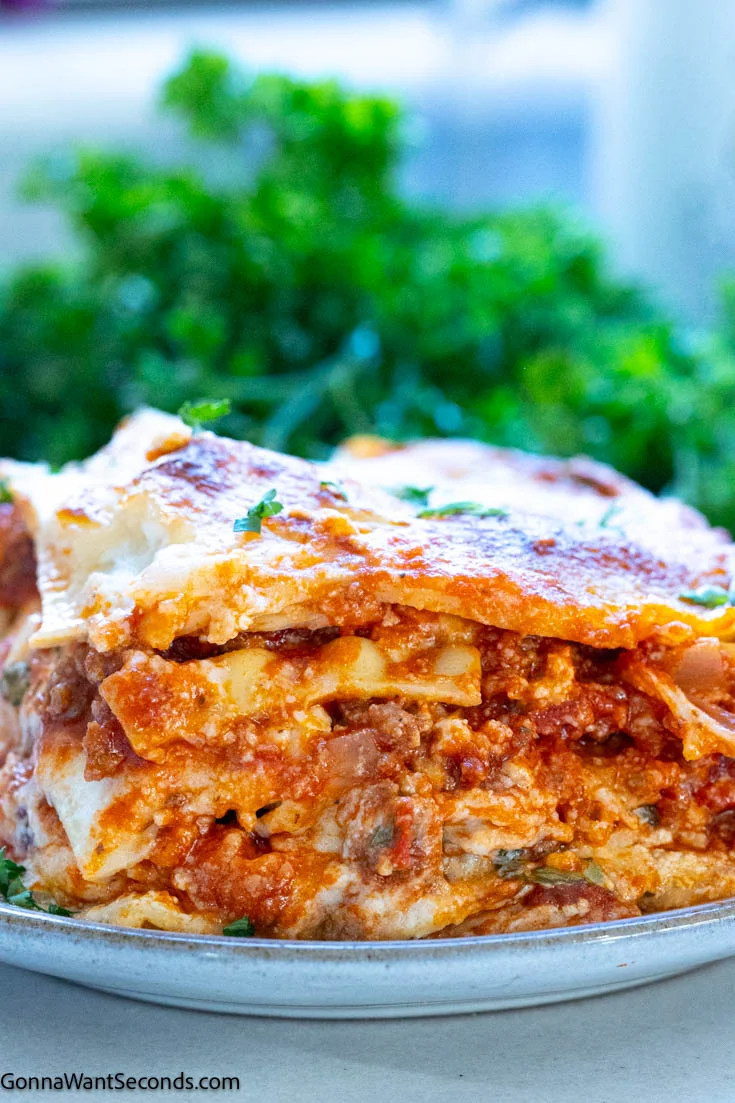
This Italian-style lasagna layers pasta with beef-and-sausage tomato sauce, ricotta, béchamel and plenty of mozzarella and Parmesan. It is a generous, hearty bake for feeding a crowd, with several distinct sauces creating a rich, creamy slice.
Ingredients
- to tastesalt
- to tasteblack pepper
- 454 gground beef (80/20)
- 454 gItalian sausage, casings removed
- 225 gchopped onion
- 1 heaping tablespoonminced garlic
- 1 tablespoonItalian seasoning
- 240 mlwhite wine
- 794 gcrushed tomatoes
- 425 gtomato sauce
- 2 cans (170 g each)tomato paste
- 2 tablespoonssugar
- 454 glasagna noodles, cooked to al dente
- 113 gunsalted butter
- 60 gplain flour
- 950 mlwhole milk, at room temperature
- 2–4 dropsTabasco sauce
- ¼ teaspoonground dried nutmeg
- 680 gwhole-milk ricotta
- 2 largeeggs, lightly beaten
- about 100 ggrated Parmesan
- 454 gshredded mozzarella
- about 35 gfresh basil leaves, cut into thin strips
- about 113 gshredded mozzarella
- about 100 ggrated Parmesan
- 2 tablespoons (cut into 6 mm pieces)butter
Instructions
- 1
Brown the meat
In a large pot over medium-high heat, brown and crumble the beef and Italian sausage. Season with 1 teaspoon salt, ½ teaspoon black pepper and the Italian seasoning while cooking. Lift the meat out with a slotted spoon and set it on a paper-towel-lined plate, leaving the drippings in the pot.
- 2
Cook the aromatics
Add the onion to the pot and cook until translucent. Stir in the garlic and cook for about 1 minute, until fragrant. Add the wine, scraping up the browned bits from the bottom of the pot. Bring to the boil and cook until the wine has reduced by half.
- 3
Simmer the sauce
Stir in the crushed tomatoes, tomato paste, tomato sauce and sugar, then return the browned meat to the pot. Bring to the boil, lower the heat straight away and simmer for 2 hours, stirring occasionally.
- 4
Cook the pasta
Cook the lasagna noodles in a large pot of water with 2 tablespoons of salt, following the packet instructions until al dente. Drain thoroughly, separate the sheets and leave them to dry.
- 5
Make the béchamel
Melt 5 tablespoons of butter in a 2-quart pot over medium heat. Whisk in the flour until smooth, about 2 minutes. Gradually pour in the milk, whisking continuously to prevent lumps.
- 6
Thicken the sauce
Simmer over medium heat, whisking, for about 10 minutes, until the béchamel is thick, smooth and creamy. Stir in 2–4 drops of Tabasco. It should coat the back of a wooden spoon; take it off the heat and season with nutmeg, salt and black pepper to taste.
- 7
Mix the cheese
In a medium bowl, thoroughly mix the ingredients for the ricotta mixture.
- 8
Prepare the oven
Set an oven shelf in the centre and heat the oven to 190°C. Cut a piece of foil wide enough to cover the baking dish by joining two sheets if needed, spray its underside with non-stick cooking spray and set it aside.
- 9
Build the first layers
Spread 1 cup of meat sauce over the bottom of a 23 × 33 cm baking dish. Arrange a single layer of noodles side by side over the base. Spread on half the ricotta mixture, one-third of the béchamel and half of the remaining meat sauce.
- 10
Add another layer
Lay down another layer of pasta sheets. Spread over the rest of the ricotta mixture, another third of the béchamel and half of the meat sauce that remains.
- 11
Finish the assembly
Add the final layer of pasta sheets and cover with the remaining béchamel, mozzarella and Parmesan. Cut the butter into 6 mm cubes and scatter them over the top. Line a large rimmed baking tray with foil and set the lasagna dish on it. Cover the lasagna with the prepared foil and bake on the middle shelf for 40–50 minutes, until bubbling and hot through the centre.
- 12
Brown and rest
Remove the foil and bake for about 15 minutes more. If the top needs more colour, place the dish under the grill for a couple of minutes, watching it closely so it does not burn. Rest the lasagna on a wire rack for 15 minutes before slicing and serving.
What is lasagna?
Lasagna is an Italian baked pasta dish made by layering sheets of pasta with sauce and cheese. This version combines a meat-rich tomato sauce with ricotta and béchamel, then finishes with mozzarella and Parmesan.
The layers give each slice a mix of savoury meat, creamy sauce and tender pasta. A short rest after baking helps the layers settle, making the lasagna easier to portion.
Nutrition and macros by portion
The nutrition label shows one serving as written: 873 calories, 44g protein, 45g carbs, 55g fat.
| Portion | Adjustment | kcal | Protein | Carbs | Fat |
|---|---|---|---|---|---|
| Lighter | Smaller slice, more salad | 611 kcal | 31g | 31g | 39g |
| This serving | As written | 873 kcal | 44g | 45g | 55g |
| Hungry | Larger lasagna portion | 1310 kcal | 66g | 68g | 83g |
The pasta and sugar provide much of the carbohydrate, while the beef, sausage and cheeses contribute protein. Butter, whole milk, meat and cheese account for much of the fat. Pair a slice with salad or vegetables for freshness and a more balanced plate.
The meat sauce
Beef and sausage: Browning both meats first builds a savoury base, while the sausage brings its own seasoning. Leave the drippings in the pot to cook the onion and garlic.
Wine and tomatoes: Scraping up the browned bits with wine adds them to the sauce, and reducing the wine by half concentrates its flavour. The long simmer specified in the method gives the tomatoes time to meld with the meat.
A smooth béchamel
Roux: Whisking the flour into melted butter for about 2 minutes helps form a smooth base before the milk goes in. Add the milk gradually and keep whisking to head off lumps.
Texture: Simmer and whisk for about 10 minutes, until the sauce is creamy and coats the back of a wooden spoon. The recipe adds nutmeg and a few drops of Tabasco off the heat.
Cooking the pasta
Al dente: Cook the noodles according to their packet instructions, stopping when they still have a little firmness. They will soften further as the lasagna bakes.
After draining: Drain the pasta well, separate the sheets and let them dry as directed. This makes them easier to handle when assembling the layers.
Layering for an even bake
Base: Begin with a cup of meat sauce so the first pasta layer sits over sauce rather than a dry dish. Keep the noodles side by side to cover the base.
Middle and top: Divide the ricotta mixture and meat sauce between the two middle layers, adding béchamel to each. Finish with the remaining béchamel and the topping cheeses for a creamy, cheesy top.
Baking and serving
Covered bake: Bake at 190°C under the prepared foil for 40–50 minutes, until the lasagna is bubbling and hot through the centre. The recipe then calls for about 15 minutes uncovered to brown the top.
Resting: Leave it on a wire rack for 15 minutes before cutting. Serve with a crisp green salad or simply dressed vegetables to balance the richness.
Recipe notes & tips
- Let the wine reduce by half before adding the tomatoes so its flavour concentrates.
- Keep whisking as you pour the milk into the roux to help the béchamel stay smooth.
- Drain and separate the noodles well so they are easier to layer.
- Use foil wide enough to cover the full baking dish, with its sprayed side facing the lasagna.
- Set the baking dish on a foil-lined tray to catch any bubbling sauce.
- Watch the lasagna closely if you use the grill to brown the top.
Variations
- Add vegetables: Layer in cooked spinach or sautéed mushrooms alongside the sauces.
- Use a different sausage: Choose a mild or spicy Italian sausage to adjust the seasoning.
- Try fresh herbs: Add extra basil between the layers for a more pronounced herbal note.
- Make it meat-free: Replace the beef and sausage with cooked vegetables and use a vegetarian tomato sauce.
- Change the cheese: Use a different melting cheese in place of some of the mozzarella.
Common mistakes to avoid
- Skipping the reduction: Let the wine reduce by half before adding the tomatoes, as directed.
- Lumpy béchamel: Add the milk gradually and whisk continuously.
- Overcooking the noodles: Cook them only to al dente, since they will bake again in the assembled dish.
- Dry edges: Cover the dish for the first part of baking, with the foil covering it securely.
- Slicing too soon: Rest the baked lasagna for 15 minutes so the layers can settle.
- Unattended grilling: Stay by the oven while browning the top because it can burn quickly.
How to store
Cool leftovers, cover or transfer them to an airtight container and refrigerate for up to 3 days. Reheat portions in the oven, covered, until hot through; uncover briefly at the end if you want to refresh the top.
Frequently asked questions
Can I prepare the lasagna ahead?
You can assemble it ahead and refrigerate it until you are ready to bake. Make sure it is hot through the centre before serving.
Can I use oven-ready lasagna sheets?
The method specifies noodles cooked to al dente, so oven-ready sheets may need a different amount of liquid or baking time. Follow their packet guidance if substituting.
How can I tell when it is baked?
The recipe looks for bubbling sauce and a centre that is hot through. If needed, check the centre before taking the dish out.
Why should I rest it before cutting?
The 15-minute rest gives the layers time to settle, which helps the slices hold together when served.
Can I freeze leftover lasagna?
Yes. Cool it, wrap individual portions well and freeze. Thaw in the fridge before reheating until hot through.
Cook it from the original
This recipe comes from gonnawantseconds.com. Their page has the author’s own photos, notes and tips — the best place to cook it from.
Open the recipe on gonnawantseconds.com