
Crab Cakes with Rémoulade Sauce
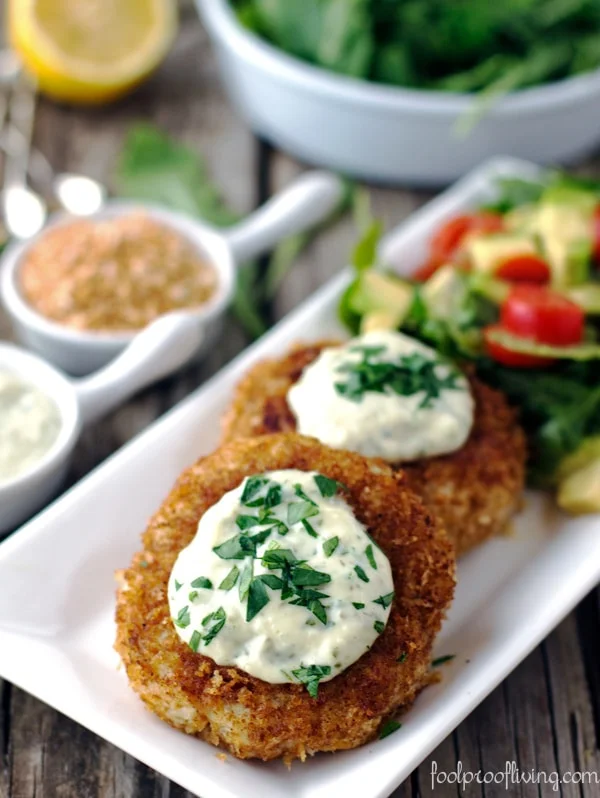
These American-style crab cakes combine tender lump crab with a finely ground shrimp mixture, crisp panko and a quick homemade rémoulade. They are pan-fried in batches for a golden crust and make a satisfying seafood dinner.
Ingredients
- 454 gcanned pasteurised crabmeat
- 240 mlmilk
- 90 gpanko breadcrumbs
- 1 teaspoon, dividedtable salt
- ½ teaspoon, freshly ground and dividedblack pepper
- 2celery ribs, chopped
- ½onion, diced
- 2 clovesgarlic, peeled and minced
- 1 tablespoonunsalted butter
- 113 gprawns, peeled, deveined and with tails removed
- 60 mldouble cream
- 1 teaspoonlemon juice
- ½ teaspoonhot pepper sauce
- 2 teaspoonsDijon mustard
- ½ teaspoonOld Bay seasoning
- 60 mlvegetable oil or olive oil
- 120 gmayonnaise or vegan mayonnaise
- 1½ teaspoonspickle relish
- 1 teaspoonhot pepper sauce
- 1 teaspoonItalian parsley, minced
- ½ teaspooncapers, rinsed
- ½ teaspoonDijon mustard
- 1 clovegarlic, peeled and minced
- ¼ teaspoontable salt
- To tasteblack pepper
Instructions
- 1
Soak the crab
Put the milk and crabmeat in a glass bowl, cover with cling film and refrigerate for 20 minutes.
- 2
Toast the panko
Add the panko to a 30 cm non-stick frying pan and cook for 6–8 minutes, stirring constantly, until golden. Tip onto a shallow plate, season with ½ teaspoon salt and ¼ teaspoon black pepper, and leave to cool.
- 3
Prepare the vegetables
Wipe the pan with kitchen paper. Pulse the celery, onion and garlic in a food processor for 8–10 pulses, until finely chopped, then rinse the processor bowl and blade and set them aside.
- 4
Cook the vegetables
Melt the butter in the pan, add the vegetables and season with the remaining ½ teaspoon salt and ¼ teaspoon black pepper. Cook for 6–7 minutes, until the moisture has evaporated, then transfer to a large bowl and leave to cool.
- 5
Drain the crab
Wipe the pan with kitchen paper again. Drain the crab through a sieve, pressing firmly with the back of a spatula to remove the milk while taking care not to break up the lumps.
- 6
Blend the prawns
Pulse the prawns in the food processor for 10–12 pulses, until finely ground. Add the double cream and pulse 3–4 times to combine.
- 7
Mix the filling
Add the prawn mixture to the cooled vegetables. Stir in the mustard, hot pepper sauce, lemon juice and Old Bay seasoning until combined, then gently fold in the crabmeat without breaking up the lumps.
- 8
Shape and chill
Divide the mixture into 8 equal balls and press each firmly into a small patty in your hands. Arrange on a baking sheet lined with parchment, cover tightly with cling film and refrigerate for at least 30 minutes and up to 24 hours.
- 9
Coat the cakes
Coat each cake in the toasted panko, pressing the crumbs firmly onto the outside.
- 10
Fry the first batch
Heat 1 tablespoon of oil in the empty pan over a medium heat until shimmering. Add 4 cakes and cook without moving them for 3–4 minutes, until golden. Flip using two spatulas, add 1 tablespoon of oil and cook the other side for 2–3 minutes. Transfer to a platter.
- 11
Fry the remainder
Wipe the pan with kitchen paper and repeat the same process with the remaining crab cakes.
- 12
Make the rémoulade
Put all the rémoulade ingredients in the food processor and pulse until well combined. Transfer to a small ramekin or bowl; refrigerate for up to 3 days if not serving straight away.
- 13
Serve the cakes
Top the crab cakes with the rémoulade sauce and serve immediately.
What are crab cakes?
Crab cakes are a familiar American seafood dish, especially associated with the Mid-Atlantic and Chesapeake Bay, where blue crab is a regional favourite. This version pairs lump crab with ground prawn, then coats the patties in toasted panko before pan-frying.
The rémoulade is a creamy, tangy accompaniment made with mayonnaise, relish, capers, mustard and hot sauce. Together, the crisp coating, delicate seafood filling and punchy sauce make a straightforward dinner feel special.
Nutrition and macros by portion
The nutrition label shows one serving as written: 314 calories, 7g protein, 19g carbs, 23g fat.
| Portion | Adjustment | kcal | Protein | Carbs | Fat |
|---|---|---|---|---|---|
| Lighter | Serve with extra salad | 220 kcal | 5g | 13g | 16g |
| This serving | As written | 314 kcal | 7g | 19g | 23g |
| Hungry | Add another crab cake | 471 kcal | 11g | 29g | 35g |
The panko and milk contribute much of the carbohydrate, while the oil, mayonnaise, butter and cream account for much of the fat. Crab and prawns provide the seafood protein. Balance the plate with a generous serving of vegetables or salad alongside one or two cakes.
Keep the crab in lumps
Gentle handling: Drain the crab firmly, but fold it into the prawn and vegetable mixture rather than stirring vigorously. This helps preserve the larger pieces that give the cakes their distinct texture.
Prawn binder: Processing the prawns with cream creates a fine mixture that helps hold the crab cakes together. Pulse only until finely ground, then mix it with the cooled vegetables and seasonings.
Build a crisp coating
Toasted panko: Browning the breadcrumbs in the dry pan first gives them a head start on colour and crunch. Stir constantly and take them off the heat once golden.
Firm coating: Press the crumbs onto each chilled cake so they adhere all over. The cakes are more delicate than a solid fish fillet, so handle them carefully when coating and turning.
Chill before frying
Shaping: Divide the mixture into 8 equal portions, then press each into a patty. A firm shape and an even thickness help the cakes cook consistently.
Resting time: Chill the covered patties for at least 30 minutes, or up to 24 hours. This gives them time to firm up before they go into the pan.
Look for a golden crust
Pan heat: Wait until the oil is shimmering over medium heat before adding the cakes. Leave them undisturbed for 3–4 minutes so the first side can brown.
Turning: Use two spatulas to flip each cake gently, then cook the second side for 2–3 minutes. Fry in two batches of four, wiping out the pan between batches as directed.
Make the sauce ahead
Quick blend: Pulse the mayonnaise, relish, hot sauce, parsley, capers, mustard, garlic, salt and pepper in the food processor until combined. Stop once the sauce is mixed rather than processing it longer than needed.
Serving time: The rémoulade can be refrigerated for up to 3 days, while the crab cakes are best served immediately after frying. Serve the sauce alongside or spoon it over the cakes.
What to serve alongside
Fresh sides: A crisp green salad or simply cooked vegetables make a fresh contrast to the rich cakes and creamy sauce. Lemon wedges can also complement the seafood flavours.
Heartier plates: For a more substantial meal, serve with potatoes or another simple starch. Keep accompaniments lightly seasoned so they do not compete with the rémoulade.
Recipe notes & tips
- Use a gentle folding motion when adding the crab so its lumps remain intact.
- Let the cooked vegetables cool before combining them with the seafood mixture.
- Rinse the food processor bowl and blade after chopping the vegetables before processing the prawns.
- Chill the shaped patties for at least 30 minutes to help them hold together while frying.
- Keep the panko moving as it toasts so it colours evenly.
- Use two spatulas to turn the cakes without breaking them.
Variations
- Milder sauce: Reduce the hot pepper sauce in the rémoulade to suit your preference.
- Herby finish: Add a little extra minced parsley to the sauce for a fresher flavour.
- Olive oil: Use olive oil instead of vegetable oil as listed for frying.
- Vegan mayonnaise: Choose vegan mayonnaise in place of regular mayonnaise in the sauce.
- Smaller cakes: Shape the mixture into smaller patties and keep an eye on them as they cook.
Common mistakes to avoid
- Breaking up the crab: Fold it in gently so the cakes retain their lump texture.
- Skipping the chill: Refrigerate the shaped patties for at least 30 minutes so they firm up before cooking.
- Moving them too soon: Leave the cakes undisturbed for 3–4 minutes to let the first side turn golden.
- Crowding the pan: Cook only 4 cakes at a time, as directed, to make turning easier.
- Over-processing the sauce: Pulse just until the ingredients combine so it does not become unnecessarily smooth.
- Using cool oil: Wait until the oil shimmers before adding the cakes for a properly browned crust.
How to store
Refrigerate leftover cooked crab cakes in a covered container and eat within 2 days. Reheat gently in a frying pan until hot throughout, turning once; the rémoulade can be kept refrigerated for up to 3 days.
Frequently asked questions
Can I prepare the crab cakes ahead?
Yes. Shape them, cover tightly and refrigerate for at least 30 minutes and up to 24 hours before coating and frying.
Can I use fresh crabmeat?
The recipe specifies canned pasteurised crabmeat. If using fresh crabmeat instead, keep the lumps intact and drain away any excess liquid before mixing.
Why do the breadcrumbs need to be toasted first?
Toasting the panko in the pan gives it a golden colour before it coats the cakes. Stir it constantly and allow it to cool before using.
How do I stop the cakes falling apart?
Drain the crab well, fold it in gently, shape the patties firmly and chill them for at least 30 minutes. Handle them carefully when coating and turning.
Can I make the rémoulade in advance?
Yes. The sauce can be refrigerated for up to 3 days in a covered container.
How do I know when the crab cakes are ready?
Follow the stated cooking times: 3–4 minutes on the first side and 2–3 minutes on the second. Look for a golden-brown exterior.
Cook it from the original
This recipe comes from foolproofliving.com. Their page has the author’s own photos, notes and tips — the best place to cook it from.
Open the recipe on foolproofliving.com