
Easy Stove Top Mac and Cheese
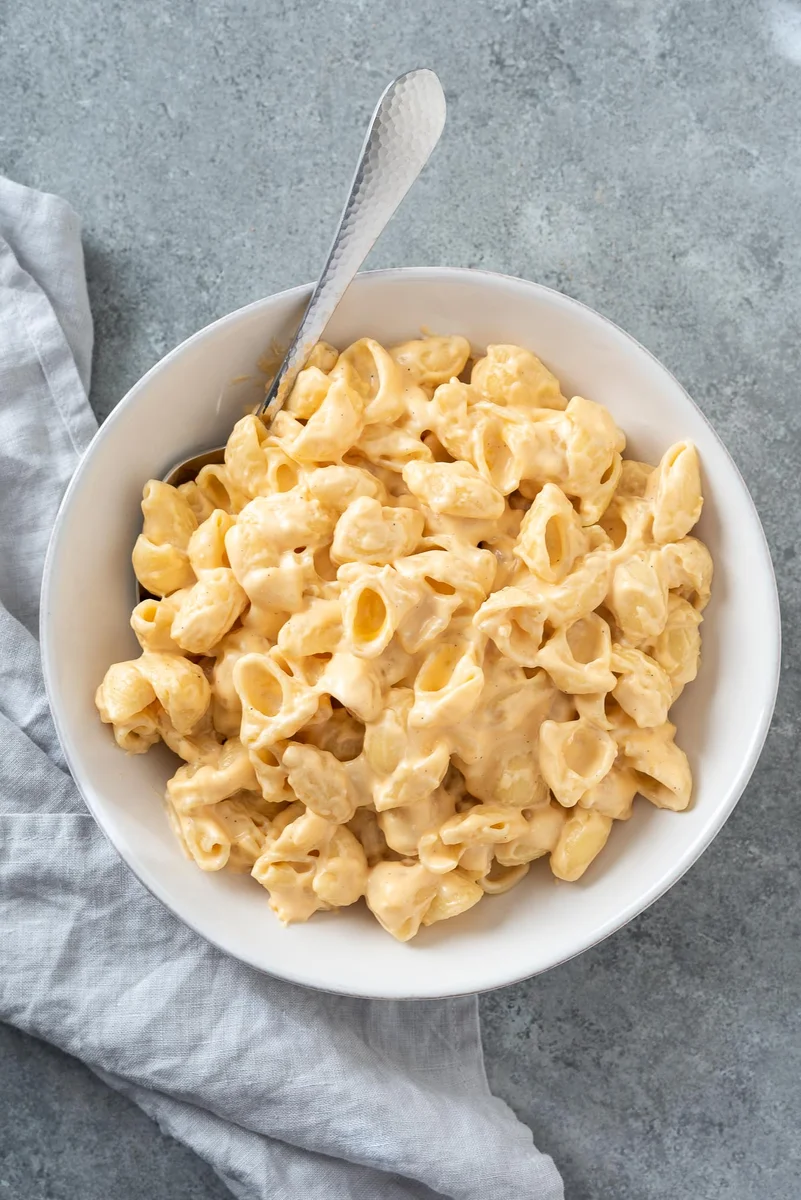
This one-pot American mac and cheese cooks pasta in milk and water, then gets its creamy finish from cheddar and cream cheese. It is a quick, straightforward option when you want a comforting meal without making a roux.
Ingredients
- 480 ml (2 cups)milk
- 240 ml (1 cup)water
- 227 g (8 ounces)uncooked pasta, such as elbow macaroni, mini shells or pipe rigate
- 225 g (2 cups)grated cheddar cheese (mild, if preferred)
- 57 g (2 ounces), cut into 6 large cubes and softened to room temperaturecream cheese
- 2.5 g (1/2 teaspoon), or to tastekosher salt
- 1.25 ml (1/4 teaspoon), or to tastefreshly ground black pepper
Instructions
- 1
Cook the pasta
Add the milk and water to a large saucepan and bring to the boil over a high heat. Lower the heat to medium, stir in the pasta and salt, and cook for about 10 minutes, stirring occasionally, until the pasta is tender and the liquid has thickened and mostly been absorbed.
- 2
Add water
As the pasta nears doneness, its starch will make it stick together more, so stir more often during the final few minutes. If the liquid has been absorbed before the pasta is cooked, add 120 ml (1/2 cup) or more water as needed.
- 3
Stir in cheese
Take the pan off the heat and stir in the grated cheddar, cream cheese and pepper until smooth. Adjust the seasoning to taste.
What is stove-top mac and cheese?
Macaroni and cheese is an American comfort-food dish of pasta coated in a cheese sauce. This version skips the separate roux and cooks the pasta directly in milk and water, making it a practical one-pot meal.
The pasta’s starch helps thicken the cooking liquid, while cheddar brings the familiar savoury flavour. Cream cheese rounds out the sauce and helps it turn smooth.
Nutrition and macros by portion
The nutrition label shows one serving as written: 297 calories, 14g protein, 19g carbs, 18g fat.
| Portion | Adjustment | kcal | Protein | Carbs | Fat |
|---|---|---|---|---|---|
| Lighter | Smaller pasta portion | 208 kcal | 10g | 13g | 13g |
| This serving | As written | 297 kcal | 14g | 19g | 18g |
| Hungry | Larger pasta portion | 446 kcal | 21g | 29g | 27g |
The pasta supplies most of the carbohydrates, while the milk, cheddar and cream cheese contribute much of the fat; cheddar and milk also provide protein. Balance the plate with a serving of vegetables or salad alongside the mac and cheese.
Why cook pasta in milk?
Milk: It gives the cooking liquid a richer base than water alone and contributes to the creamy finish.
Water: It helps the pasta cook in the pan; keep extra nearby because the pasta may absorb the liquid before it is tender.
Keep an eye on the pan
Early cooking: Stir occasionally while the pasta simmers so it cooks evenly in the milk and water.
Final minutes: Stir more often as the pasta releases starch and starts to clump. If the pan looks dry while the pasta is still firm, add water as directed rather than letting it catch.
Get a smooth cheese sauce
Off the heat: Add the cheeses after removing the pan from the hob. Stir until they have melted into the thickened liquid.
Room-temperature cream cheese: Softening it first makes it easier to incorporate. Cut it into the specified cubes so it blends more readily.
Choose pasta and cheddar
Pasta shapes: Elbow macaroni, mini shells and pipe rigate are all suitable; choose a shape that can hold the creamy sauce.
Cheddar: Mild cheddar gives a gentle, familiar flavour. Grate it before adding so it is ready to stir in once the pasta is cooked.
Serve it while creamy
Serve the mac and cheese soon after the cheeses melt, while the sauce is smooth and loose. It works as a simple main or alongside a green salad or steamed vegetables.
Recipe notes & tips
- Use a large saucepan so the pasta has room to cook and can be stirred easily.
- Stir more frequently towards the end of cooking, when the pasta begins to release starch.
- Keep water nearby in case the liquid is absorbed before the pasta is tender.
- Soften the cream cheese to room temperature before cooking for easier mixing.
- Taste and adjust the salt and pepper after stirring in the cheeses.
Variations
- Try another shape: Use mini shells or pipe rigate in place of elbow macaroni.
- Change the cheddar: Choose a sharper cheddar for a more pronounced cheese flavour.
- Add vegetables: Serve with steamed peas or broccoli for a vegetable accompaniment.
- Adjust the pepper: Add a little more freshly ground black pepper to taste.
- Use a side salad: Pair the rich pasta with crisp salad leaves.
Common mistakes to avoid
- Leaving it unstirred: Pasta can stick together as it releases starch; stir more often in the final minutes.
- Letting the pan dry out: If the pasta is still firm after the liquid is absorbed, add 120 ml (1/2 cup) or more water as needed.
- Adding cheese over the heat: Remove the pan from the heat first so the cheeses can melt into the sauce smoothly.
- Using cold cream cheese: Soften it to room temperature first to make it easier to stir in.
- Stopping too early: Check that the pasta is tender before adding the cheeses.
How to store
Refrigerate leftovers in an airtight container for up to 3 days. Reheat gently in a saucepan or microwave, stirring and adding a splash of water or milk if the sauce has thickened.
Frequently asked questions
Can I use a different pasta shape?
Yes. The recipe suggests elbow macaroni, mini shells or pipe rigate; choose a similar-sized shape and cook until tender.
Why is the pasta sticking together?
It releases starch as it cooks, especially towards the end. Stir more frequently during the final few minutes.
What should I do if the liquid disappears too soon?
If the pasta is not tender yet, add 120 ml (1/2 cup) water or more as needed and continue cooking.
Can I prepare it ahead?
It is best served soon after cooking, when the sauce is smooth. You can refrigerate leftovers and reheat them gently with a splash of liquid.
How do I know when the pasta is ready?
It should be tender, and the cooking liquid should have thickened with most of it absorbed. Check the pasta before stirring in the cheeses.
Cook it from the original
This recipe comes from flavorthemoments.com. Their page has the author’s own photos, notes and tips — the best place to cook it from.
Open the recipe on flavorthemoments.com