
Chocolate omelet
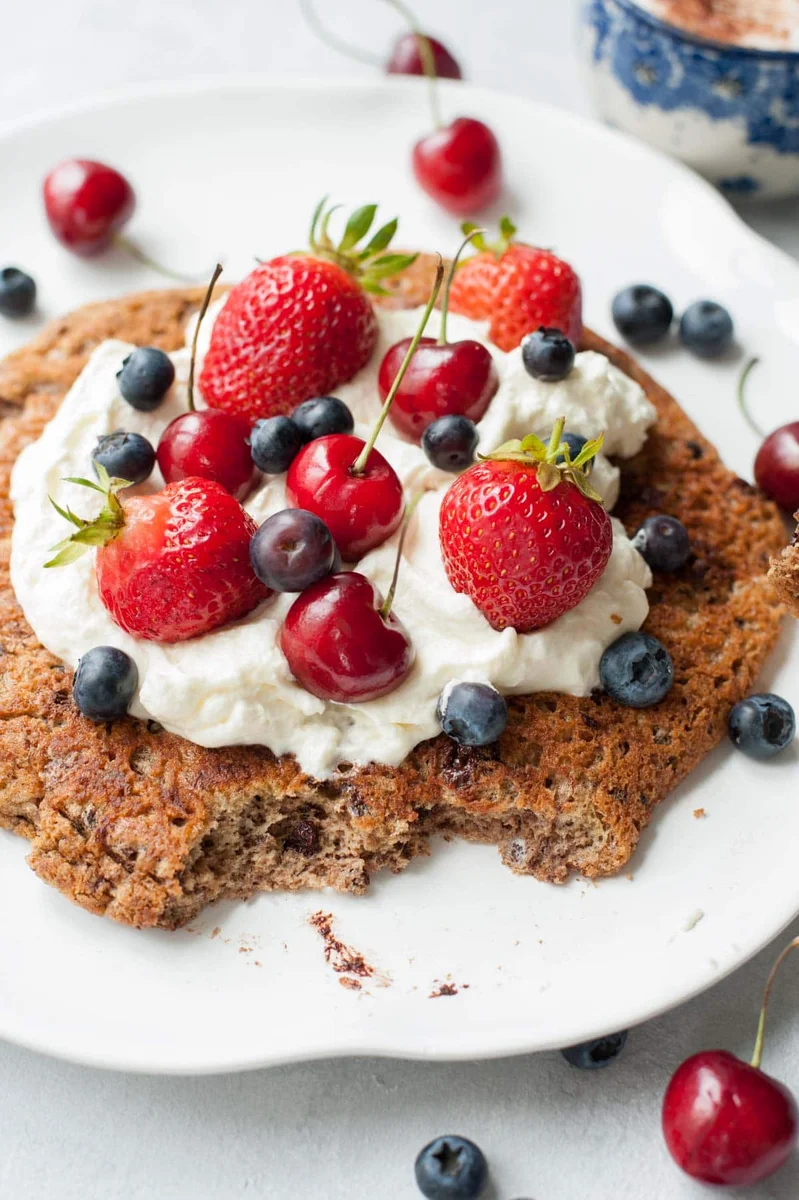
A light, fluffy chocolate omelet with cocoa and chopped chocolate, served warm with whipped cream and fresh fruit. It makes a quick sweet breakfast or dessert using a simple pan-cooking method.
Ingredients
- 2 largeeggs
- 1 pinchsalt
- 15 ml (1 tablespoon)light brown sugar or granulated sugar
- 5 ml (1 teaspoon)vanilla extract, vanilla sugar or omit
- about 12 g (1 1/2 tablespoons)plain flour
- about 3 g (1/2 tablespoon)unsweetened cocoa, preferably Dutch-processed
- 2 cubes, finely chopped or grated, or 15 ml (1 tablespoon) mini chocolate chipsmilk or dark chocolate
- 15 g (1 tablespoon)butter, for cooking the omelet
- 60 ml (1/4 cup)heavy whipping cream
- 5 ml (1 teaspoon)icing sugar
- 1 small handfulfresh fruit
Instructions
- 1
Whisk the whites
Separate the eggs. Beat the whites with the salt until firm peaks form: the foam should hold its shape and stay on the whisk when lifted. Stop before the whites become overbeaten.
- 2
Mix the yolks
In a small bowl, lightly beat the yolks with the sugar and vanilla. Add this mixture gradually to the whites, mixing on the lowest speed just until combined.
- 3
Fold in chocolate
Add the flour, cocoa and finely chopped or grated chocolate. Fold them in gently with a silicone spatula.
- 4
Heat the pan
Melt the butter in an 8-inch (21–22 cm) non-stick pan. Once it is sizzling, pour in the batter and spread it evenly with a spatula.
- 5
Cook the first side
Cover the pan with a lid, foil or a large chopping board and cook over the lowest heat for about 3–5 minutes. Lift an edge with a silicone spatula to check that the bottom is golden.
- 6
Flip and finish
Loosen the omelet around the edges and check that it is not sticking. Slide two wide spatulas underneath and flip it quickly; if it tears, cook it longer over very low heat before trying again. Cook the second side for about 30–60 seconds, until set, then transfer to a plate.
- 7
Whip the cream
Whip the cream with the icing sugar.
- 8
Serve with fruit
Serve the omelet with the whipped cream and fresh fruit.
- 9
Enjoy while warm
Enjoy.
What is a chocolate omelet?
An omelet is usually savoury, but this version turns eggs into a soft, sweet dish with cocoa and chocolate. It is an informal, international-style take rather than a preparation tied to one particular region.
Whipped egg whites give the batter its airy texture, while a covered pan helps it cook through without losing as much height. Cream and fresh fruit make a simple finish.
Nutrition and macros by portion
The nutrition label shows one serving as written: 597 calories, 0g protein, 0g carbs, 0g fat.
| Portion | Adjustment | kcal | Protein | Carbs | Fat |
|---|---|---|---|---|---|
| Lighter | Less cream, more fruit | 418 kcal | 0g | 0g | 0g |
| This serving | As written | 597 kcal | 0g | 0g | 0g |
| Hungry | Add toast alongside | 896 kcal | 0g | 0g | 0g |
The eggs contribute protein and fat, while the sugar and flour provide much of the carbohydrate; butter, chocolate and cream add most of the remaining fat. Serve it with a generous share of the fresh fruit, or add extra fruit alongside, to balance the rich omelet with something fresh.
Building the batter
Egg whites: beat them to firm peaks so they can lift the batter, but stop before they turn dry or grainy.
Yolks and sugar: mix these separately, then add them gradually on low speed to help preserve the air in the whites.
Chocolate and cocoa: fold them in gently with the flour, distributing the dry ingredients without knocking out too much of the foam.
Cooking it gently
Low heat is important because the omelet needs time to set through before its underside becomes too dark. A lid traps heat above the batter and helps the top cook.
Use a non-stick pan around 21–22 cm across, as the recipe specifies. If the pan is much larger, the batter will spread thinner and may be harder to flip intact.
How to tell when it is ready
First side: look for a golden underside and an omelet that releases when you ease a spatula beneath the edge. If it tears or seems fragile, give it a little longer over very low heat.
Second side: cook only for about 30–60 seconds, until the omelet is set. The centre should no longer look wet, but avoid prolonged cooking that could make it dry.
Flipping with care
Loosen the edges all the way around before sliding two wide spatulas underneath. Flip swiftly and keep the omelet supported; this is easier than trying to turn it with one narrow spatula.
If you are unsure it will hold together, wait and check again rather than forcing the flip. The recipe relies on a fully set first side for a neat turn.
Serving suggestions
Whip the cream with the icing sugar just before serving, then spoon it alongside or over the warm omelet. Add the fruit on the plate so its fresh, juicy texture contrasts with the soft chocolate centre.
Berries, sliced banana or other fresh fruit work well; use the small handful specified and choose what you have to hand.
Recipe notes & tips
- Separate the eggs carefully so no yolk gets into the whites.
- Use a clean bowl and whisk to help the whites reach firm peaks.
- Fold the dry ingredients in gently rather than stirring vigorously.
- Keep the heat very low once the batter is in the pan.
- Loosen the omelet completely before sliding the spatulas underneath.
- Whip the cream close to serving time for the best texture.
Variations
- Use vanilla sugar: replace the vanilla extract with vanilla sugar as suggested.
- Choose dark chocolate: use finely chopped or grated dark chocolate for a deeper cocoa flavour.
- Use mini chips: replace the chopped chocolate with 15 ml (1 tablespoon) of mini chocolate chips.
- Change the fruit: serve with whichever fresh fruit you have available.
- Skip the vanilla: leave it out for a simpler chocolate flavour.
Common mistakes to avoid
- Overbeating the whites: stop at firm peaks so they remain smooth and foldable.
- Stirring in the flour: fold it gently with a silicone spatula to keep more air in the batter.
- Using high heat: cook over the lowest heat to avoid a dark bottom before the centre sets.
- Flipping too soon: if the omelet tears or sticks, cook it longer before trying again.
- Forcing the omelet loose: work around the edges first, then slide the spatulas underneath.
- Overcooking the second side: check after 30–60 seconds and remove it once set.
How to store
This omelet is best eaten freshly cooked, with the cream and fruit added just before serving. If needed, refrigerate leftovers in a covered container and reheat gently in a pan over low heat; keep the whipped cream and fruit separate.
Frequently asked questions
Can I use granulated sugar instead of light brown sugar?
Yes. The recipe allows either light brown sugar or granulated sugar.
Can I leave out the vanilla?
Yes. Vanilla is optional; vanilla sugar is another suggested alternative.
What pan should I use?
Use a non-stick pan about 21–22 cm (8 inches) across, as specified in the method.
Why is my omelet tearing when I flip it?
It may not be cooked enough on the first side or may still be sticking. Loosen the edges and cook it a little longer over very low heat before flipping.
Can I prepare the whipped cream in advance?
It is best whipped close to serving so it stays in good shape. Keep it chilled if you do make it ahead.
Which fruit goes well with it?
Use a small handful of fresh fruit you enjoy; berries or sliced banana are easy options.
Cook it from the original
This recipe comes from everyday-delicious.com. Their page has the author’s own photos, notes and tips — the best place to cook it from.
Open the recipe on everyday-delicious.com