
Fresh Tomato Sauce
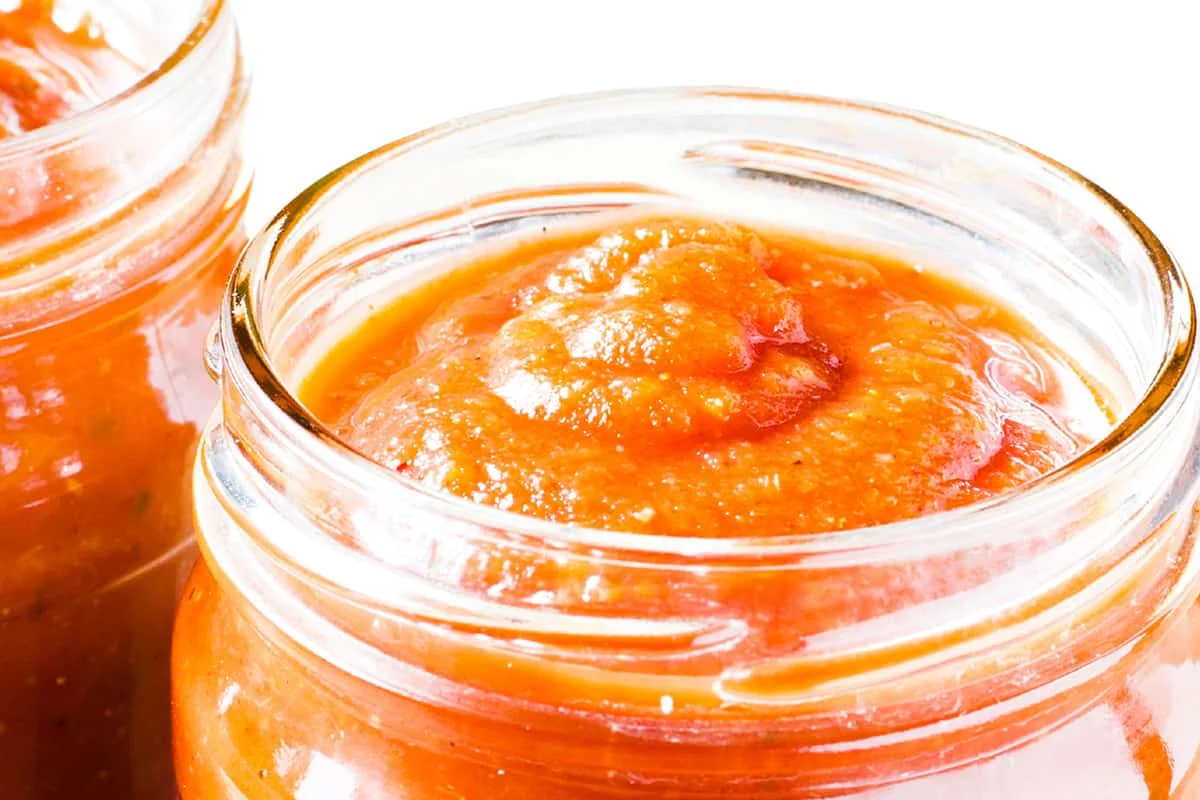
This Italian-style tomato sauce is made by roasting fresh tomatoes with onion, garlic and olive oil, then blending them with herbs. It is a straightforward way to make a smooth, savoury sauce from fresh ingredients.
Ingredients
- 45 ml (3 tablespoons)olive oil
- 907 g (2 lb)tomatoes, cut into evenly sized pieces
- 6 clovesgarlic, peeled and left whole
- 1onion, peeled and cut into chunks
- to tastefresh parsley or basil leaves, chopped
- to tastesalt and pepper
Instructions
- 1
Preheat the oven
Heat the oven to 218°C (425°F).
- 2
Coat the vegetables
Cut the tomatoes and onion into evenly sized pieces. Put them in a mixing bowl or food storage bag with the garlic, olive oil, salt and pepper, then toss to coat.
- 3
Spread on a tray
Transfer the vegetables to a baking tray with a raised lip of about 2.5 cm (1 inch), and spread them out evenly.
- 4
Roast until soft
Roast for 30–35 minutes, or until the vegetables are soft. Drain off any excess liquid from the tray and set it aside.
- 5
Blend the vegetables
Put the roasted vegetables in a blender or food processor and purée to your preferred consistency. If the sauce is too thick, loosen it with some of the reserved liquid or water.
- 6
Season and serve
Stir in the chopped herbs, taste the sauce and add salt as needed before serving.
What is fresh tomato sauce?
Tomato sauce is a familiar part of Italian cooking, with many versions built around tomatoes, aromatics and herbs. This version roasts the vegetables before blending them, bringing them together into a smooth sauce.
Roasting softens the tomatoes, onion and garlic in one tray, while olive oil and fresh herbs round out the flavour. The reserved tray liquid gives you control over how thick the finished sauce is.
Nutrition and macros by portion
The nutrition label shows one serving as written: 151 calories, 3g protein, 13g carbs, 11g fat.
| Portion | Adjustment | kcal | Protein | Carbs | Fat |
|---|---|---|---|---|---|
| Lighter | Use less olive oil | 106 kcal | 2g | 9g | 8g |
| This serving | As written | 151 kcal | 3g | 13g | 11g |
| Hungry | Serve a larger portion | 227 kcal | 5g | 20g | 17g |
The tomatoes and onion provide most of the carbohydrates, while the olive oil is the main source of fat; the recipe provides only a small amount of protein. Serve a portion with a protein-rich accompaniment and extra vegetables to balance the plate.
Choosing the ingredients
Tomatoes: Cut them into evenly sized pieces so they soften at a similar rate. Ripe tomatoes work well here, as their juices become part of the sauce.
Aromatics: The onion is cut into chunks and the garlic cloves are left whole, so both roast alongside the tomatoes before being blended.
Herbs: Chopped parsley or basil is stirred in after blending. Add it to taste, keeping some aside if you want a fresh garnish.
Roasting for a smooth sauce
Even pieces: Aim for roughly similar-sized tomato pieces and onion chunks to help them cook evenly. Spread everything across the tray rather than piling it up.
Tray juices: The roasted vegetables can release excess liquid. Drain it into a separate container before blending, then add it back gradually if the sauce needs thinning.
Checking texture and seasoning
Blending: Use a blender or food processor and stop when the sauce reaches the consistency you like. A shorter blend leaves more texture; a longer one makes it smoother.
Final taste: Stir in the herbs and taste before adding more salt. The recipe gives no fixed quantity for the seasoning, so adjust it to your preference.
Timing and doneness
Roasting takes 30–35 minutes at 218°C (425°F), but the key cue is softness rather than the clock alone. The tomato pieces and onion should be soft enough to blend readily.
The listed total time is 40 minutes. Have the tray and blender ready so you can move from roasting to blending without delay.
How to serve it
This sauce can be served with pasta or used as a base for other dishes. Stir it through just-cooked pasta, adding a little cooking water if needed to help it coat.
For a more substantial plate, pair it with a protein such as beans, lentils or a suitable alternative, and add vegetables or a salad alongside.
Recipe notes & tips
- Cut the tomatoes and onion into evenly sized pieces so they roast at a similar pace.
- Spread the vegetables across the tray in an even layer.
- Keep the drained roasting liquid until the sauce has been blended.
- Add reserved liquid or water a little at a time to avoid thinning the sauce too much.
- Taste after adding the herbs and adjust the salt before serving.
Variations
- Use basil: Choose chopped basil instead of parsley for a different herbal finish.
- Keep it chunky: Blend briefly, stopping before the sauce becomes completely smooth.
- Make it smoother: Continue blending until the sauce reaches a finer consistency.
- Adjust the thickness: Add reserved tray liquid or water gradually while blending.
- Add more herbs: Stir in extra chopped parsley or basil just before serving.
Common mistakes to avoid
- Uneven pieces: Cut the tomatoes and onion to similar sizes so they soften evenly.
- Crowded tray: Spread the vegetables out across the tray instead of piling them together.
- Discarding the juices: Set the drained liquid aside, as it can loosen the blended sauce.
- Adding liquid all at once: Pour it in gradually so the sauce does not become too thin.
- Skipping the final taste: Check the seasoning after blending and add salt as needed.
How to store
Cool the sauce, then store it in an airtight container in the fridge and use within 3–4 days. Reheat gently in a saucepan, stirring occasionally; add a splash of water if it has thickened.
Frequently asked questions
Can I use parsley instead of basil?
Yes. The recipe allows either chopped fresh parsley or basil leaves; choose whichever you prefer.
How can I make the sauce thinner?
Add some of the reserved roasting liquid or water a little at a time, blending between additions.
Do I need to peel the tomatoes?
The recipe does not call for peeling them. Roast the cut tomatoes as they are, then blend them.
How do I know when the vegetables are ready?
They should be soft after 30–35 minutes in the 218°C (425°F) oven and easy to purée.
Can I make the sauce less smooth?
Yes. Blend it briefly and stop when it reaches the texture you want.
Cook it from the original
This recipe comes from errenskitchen.com. Their page has the author’s own photos, notes and tips — the best place to cook it from.
Open the recipe on errenskitchen.com