
Instant Pot Oatmeal
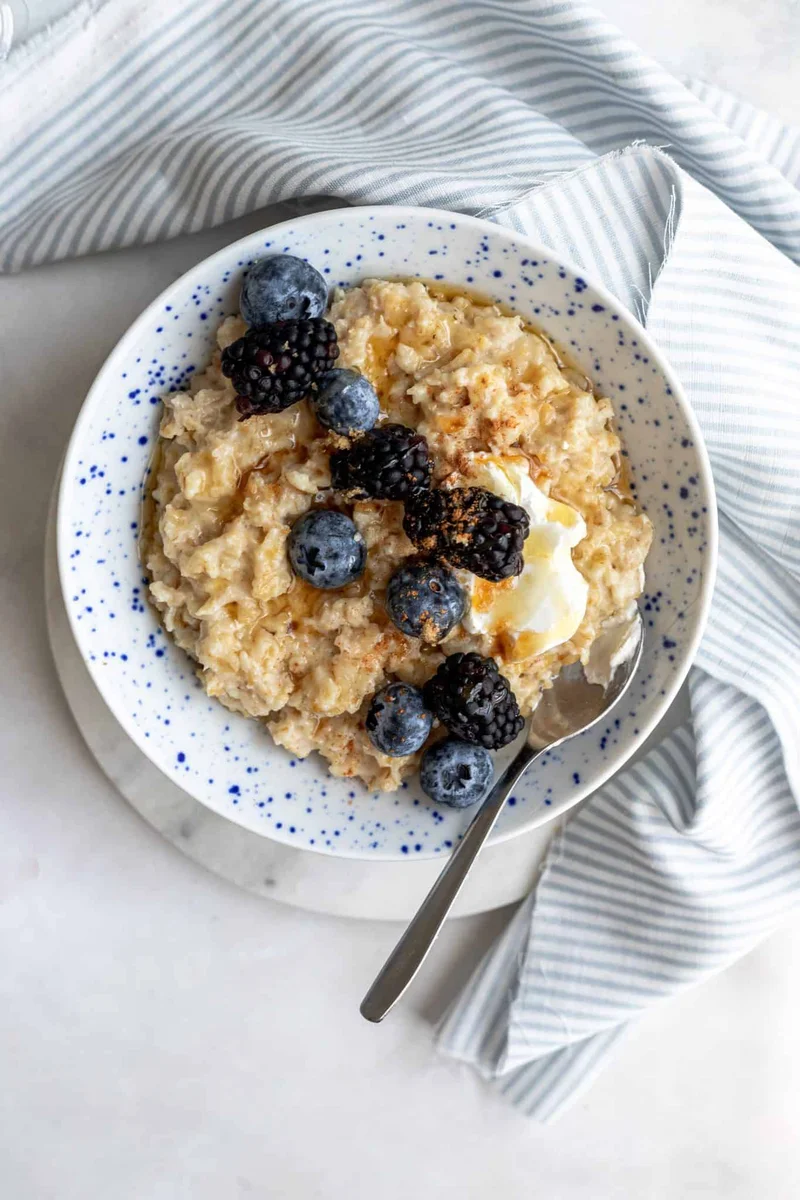
This American-style oatmeal cooks old-fashioned oats with milk and water in an Instant Pot for a creamy, hands-off breakfast. Serve it straight away with your favourite toppings, or loosen it with a little more milk.
Ingredients
- 90 g (1 cup)old-fashioned oats
- 240 ml (1 cup)milk
- 240 ml (1 cup)water
- 1 pinchsalt
Instructions
- 1
Add the ingredients
Put the oats, milk, water and salt in the Instant Pot. Fit the lid and seal it.
- 2
Cook under pressure
Choose the manual setting and cook on high pressure for 3 minutes, with the pressure valve sealed. When the cooking time ends, leave the oatmeal in the pot for 15–20 minutes so the pressure releases naturally. Then turn the valve to vent and release any remaining pressure.
- 3
Serve the oatmeal
Enjoy immediately with toppings of your choice. For a creamier consistency, stir in an extra splash of milk. Refrigerate leftovers in an airtight container for 3–5 days.
What is Instant Pot oatmeal?
Oatmeal is a familiar American breakfast made by cooking oats with liquid until soft. This version uses old-fashioned oats, milk and water in an electric pressure cooker, with salt to bring out their flavour.
The combination of milk and water gives the oats a creamy result without making the cooking method complicated. A hands-off pressure release finishes the cooking after the set time.
Nutrition and macros by portion
The nutrition label shows one serving as written: 192 calories, 0g protein, 0g carbs, 0g fat.
| Portion | Adjustment | kcal | Protein | Carbs | Fat |
|---|---|---|---|---|---|
| Lighter | Use lower-fat milk | 134 kcal | 0g | 0g | 0g |
| This serving | As written | 192 kcal | 0g | 0g | 0g |
| Hungry | Make a larger portion | 288 kcal | 0g | 0g | 0g |
The oats provide most of the carbohydrates, while the milk contributes some protein, carbohydrate and fat; the amounts vary with the milk you choose. For a more balanced plate, serve a bowl with fruit and a protein-rich topping such as yoghurt or nuts.
Choosing the ingredients
Old-fashioned oats: these are rolled oats, which soften into a pleasantly substantial porridge. The recipe specifies them, so avoid swapping in steel-cut oats without changing the method.
Milk and water: equal amounts of each make up the cooking liquid. Use the milk you normally enjoy in oatmeal; the recipe does not specify a particular type.
Salt: just a pinch seasons the oats. Add it to the pot with the other ingredients rather than waiting until serving.
Sealing the pressure cooker
Before cooking, check that the lid is fitted and sealed and that the pressure valve is set to sealing. This allows the pot to build pressure for the 3-minute high-pressure cook.
Once cooking finishes, let the pressure release naturally for 15–20 minutes before venting any remaining pressure. Keep clear of the valve when releasing steam.
Getting the texture right
The oats continue to soften while resting in the pot, so follow the natural-release rest rather than opening it as soon as the timer ends. Stir the oatmeal before serving to bring the cooked oats and liquid together.
For a looser, creamier bowl, add an extra splash of milk after cooking. Add it gradually until the oatmeal is as soft as you like.
Serving ideas
Serve the oatmeal immediately, while warm, with toppings of your choice. Fresh fruit, nuts, seeds, or a little honey or brown sugar are easy options.
For a more substantial breakfast, pair it with fruit or a source of protein such as yoghurt. Add toppings at the table so everyone can finish their bowl differently.
Timing the recipe
The stated total time is 4 minutes, but the method calls for 3 minutes at high pressure followed by a 15–20 minute natural release. Allow for that resting time, as well as the time the pot takes to come to pressure.
The release period is part of the recipe's method, not an optional shortcut. If breakfast needs to be ready at a particular time, start the pot well ahead of serving.
Recipe notes & tips
- Measure the oats and liquids before adding them to the pot.
- Check that the pressure valve is set to sealing before cooking.
- Allow the full 15–20 minutes for natural pressure release.
- Stir in extra milk after cooking if the oatmeal is thicker than you prefer.
- Add crunchy toppings just before eating so they keep their texture.
Variations
- Add cinnamon: Stir a little into the pot before cooking for warm spice.
- Use plant milk: Replace the dairy milk with an unsweetened alternative you enjoy.
- Top with berries: Add fresh or thawed berries just before serving.
- Make it nutty: Finish each bowl with chopped nuts or a spoonful of nut butter.
- Add sweetness: Serve with honey, maple syrup or brown sugar to taste.
Common mistakes to avoid
- Using the wrong oats: Steel-cut oats cook differently, so use old-fashioned oats for this method.
- Venting too soon: Let the pressure release naturally for 15–20 minutes before venting the remainder.
- Forgetting to seal: Check the lid and valve before starting the high-pressure cook.
- Expecting instant serving: The pressure cooker needs time to come to pressure and release it, beyond the 3-minute cook.
- Oatmeal too thick: Stir in a splash of milk after cooking to loosen it.
How to store
Keep leftover oatmeal in an airtight container in the refrigerator for 3–5 days. Reheat a portion until hot, stirring in a little milk or water to loosen it if needed.
Frequently asked questions
How long does the oatmeal cook under pressure?
The method specifies 3 minutes on high pressure. After that, leave it in the pot for 15–20 minutes for a natural pressure release.
Do I need to release the pressure naturally?
Yes. The recipe calls for a 15–20 minute natural release, followed by venting any remaining pressure.
Can I make the oatmeal creamier?
Yes. Stir an extra splash of milk into the cooked oatmeal before serving.
Can I use quick oats instead?
The recipe is written for old-fashioned oats, and it does not provide adjusted timings for quick oats. For the intended texture, use old-fashioned oats.
How long will leftovers keep?
Store them in an airtight container in the refrigerator for 3–5 days. Add a little milk or water when reheating if the oatmeal has thickened.
Cook it from the original
This recipe comes from everylittlecrumb.com. Their page has the author’s own photos, notes and tips — the best place to cook it from.
Open the recipe on everylittlecrumb.com