
Fettuccine Alfredo
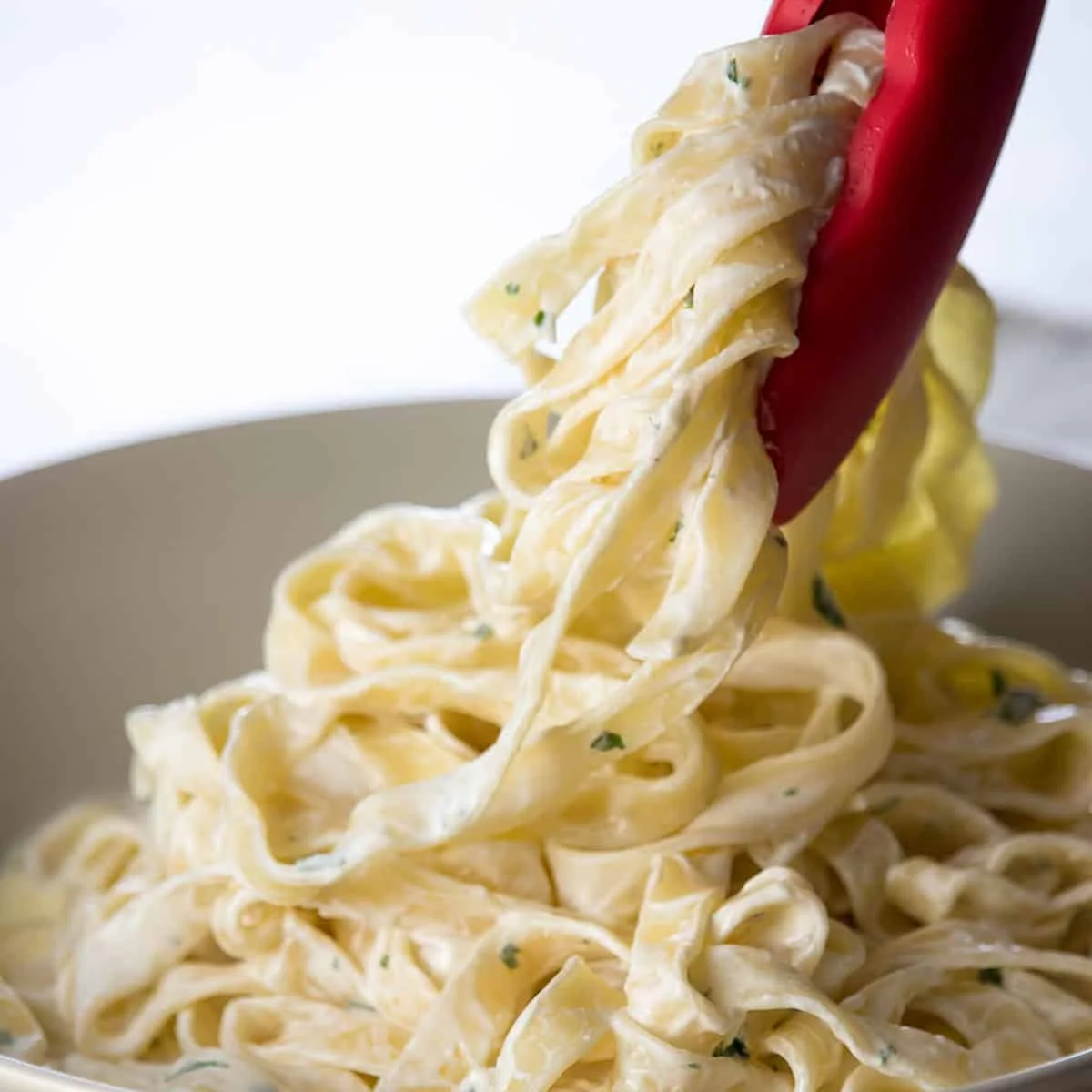
Fettuccine Alfredo pairs pasta with a rich, creamy sauce of butter, cream and Parmesan. It comes together in about 20 minutes, making it a comforting choice when you want a quick, satisfying dinner.
Ingredients
- 454 g (1 pound)fettuccine
- 473 ml (2 cups)heavy cream (UK double cream)
- 1garlic clove, peeled and left whole (optional)
- 113 g (8 tablespoons; 1 US stick)salted butter
- 1 pinchnutmeg
- 75 g (¾ cup), plus extra for servingfreshly grated Parmesan cheese
- to tastesalt and black pepper
- to tastechopped fresh flat-leaf parsley, for garnish
Instructions
- 1
Cook the pasta
Cook the fettuccine in a large pot until just underdone; it will finish cooking in the sauce. Before draining, reserve 120 ml (½ cup) of the pasta water.
- 2
Warm the cream
While the pasta cooks, heat the cream and the whole garlic clove, if using, in a deep sauté pan over low to medium heat.
- 3
Make the sauce
Add the butter and whisk gently until melted, then stir in the nutmeg and Parmesan. Season with freshly ground black pepper and simmer over medium heat for 5–7 minutes, until slightly thickened. Remove and discard the garlic.
- 4
Toss the pasta
Add the fettuccine to the pan and gently toss to coat it in the sauce. Add some reserved pasta water if the sauce needs loosening.
- 5
Season and serve
Taste the pasta and add salt as needed. Serve immediately.
What is fettuccine Alfredo?
Fettuccine Alfredo is an Italian-American favourite: ribbons of pasta coated in a buttery, creamy cheese sauce. Its name comes from the Roman restaurateur Alfredo di Lelio, while versions served outside Italy commonly include cream.
This version uses cream, butter and Parmesan for a quick, silky sauce. A little reserved pasta water helps it cling to the fettuccine.
Nutrition and macros by portion
The nutrition label shows one serving as written: 899 calories, 20g protein, 68g carbs, 61g fat.
| Portion | Adjustment | kcal | Protein | Carbs | Fat |
|---|---|---|---|---|---|
| Lighter | Less sauce, more vegetables | 629 kcal | 14g | 48g | 43g |
| This serving | As written | 899 kcal | 20g | 68g | 61g |
| Hungry | Larger portion | 1349 kcal | 30g | 102g | 92g |
The pasta supplies most of the carbohydrates, while cream and butter account for much of the fat; Parmesan contributes protein as well as fat. Serve a moderate portion alongside salad or vegetables for a more balanced plate.
Choosing the ingredients
Pasta: Fettuccine’s broad, flat shape gives the sauce plenty of surface to coat. Cook it just shy of done so it can finish in the pan.
Cheese: Freshly grated Parmesan melts more readily into the warm sauce than many pre-grated cheeses. Keep extra to offer at the table.
Cream and butter: Together they make the sauce rich and smooth. The optional whole garlic clove gives a gentle flavour and is removed before serving.
Getting the sauce right
Gentle heat: Warm the cream over low to medium heat, then melt in the butter without rushing. A steady simmer for 5–7 minutes thickens the sauce slightly.
Pasta water: Save it before draining. Its starch helps loosen the sauce while keeping it cohesive; add it a little at a time if the pasta looks dry.
Checking texture and doneness
Pasta: Stop cooking when the fettuccine is just underdone, as it will soften further when tossed with the hot sauce. Check a strand before draining.
Sauce: Aim for a coating consistency rather than a very thick paste. Toss gently, then use a splash of pasta water if it needs to move more freely around the noodles.
Serving it straight away
Timing: Have the Parmesan and serving dishes ready before the sauce is finished. The pasta is best served immediately, while the sauce is warm and easy to toss.
On the side: A green salad or simply cooked vegetables can balance the richness. Finish with extra Parmesan and chopped flat-leaf parsley.
Seasoning to taste
Salt: The butter and Parmesan both contribute salt, so taste the finished pasta before adding any more.
Pepper and nutmeg: Freshly ground black pepper adds a little bite, while a pinch of nutmeg gives the cream sauce a warm aromatic note.
Recipe notes & tips
- Reserve the pasta water before draining so you can adjust the sauce later.
- Grate the Parmesan fresh for a smoother melt.
- Keep the garlic clove whole so it is easy to remove from the sauce.
- Simmer gently and stop once the sauce has thickened slightly.
- Taste before adding salt because the butter and Parmesan are already salted.
- Serve as soon as the pasta is coated in the sauce.
Variations
- Extra Parmesan: Offer more freshly grated cheese at the table.
- Garlic-free: Leave out the optional garlic clove for a milder sauce.
- More parsley: Add extra chopped flat-leaf parsley as a fresh garnish.
- Pepper-forward: Grind additional black pepper over each serving.
- Nutmeg-free: Omit the pinch for a simpler cream-and-cheese flavour.
Common mistakes to avoid
- Overcooking the pasta: Stop just short of done so it can finish in the sauce.
- Forgetting the pasta water: Reserve it before draining to loosen the sauce if needed.
- Adding salt too soon: Taste after the Parmesan and butter are mixed in, then season.
- Simmering too long: Remove the pan once the sauce has thickened slightly.
- Skipping the toss: Gently coat the fettuccine in the pan so the sauce reaches the strands.
How to store
Refrigerate leftovers in an airtight container for up to 2 days. Reheat gently in a pan with a small splash of water or cream, stirring until warmed through; the sauce may be less silky after chilling.
Frequently asked questions
Can I make the sauce without garlic?
Yes. The garlic is optional, so you can leave it out without changing the rest of the method.
Why reserve pasta water?
It can loosen the sauce if it becomes too thick and helps the sauce coat the pasta. Add it gradually as needed.
Can I use pre-grated Parmesan?
Freshly grated Parmesan is preferable because it tends to melt more smoothly. If using pre-grated cheese, stir it in gently.
How do I know when the sauce is ready?
After simmering for 5–7 minutes over medium heat, it should be slightly thicker. It will coat the pasta when tossed.
Can I prepare it ahead?
It is best made just before serving, as the sauce can thicken as it stands. If reheating leftovers, stir in a little water or cream.
Cook it from the original
This recipe comes from errenskitchen.com. Their page has the author’s own photos, notes and tips — the best place to cook it from.
Open the recipe on errenskitchen.com