
PERFECT Sunny-Side Up Eggs
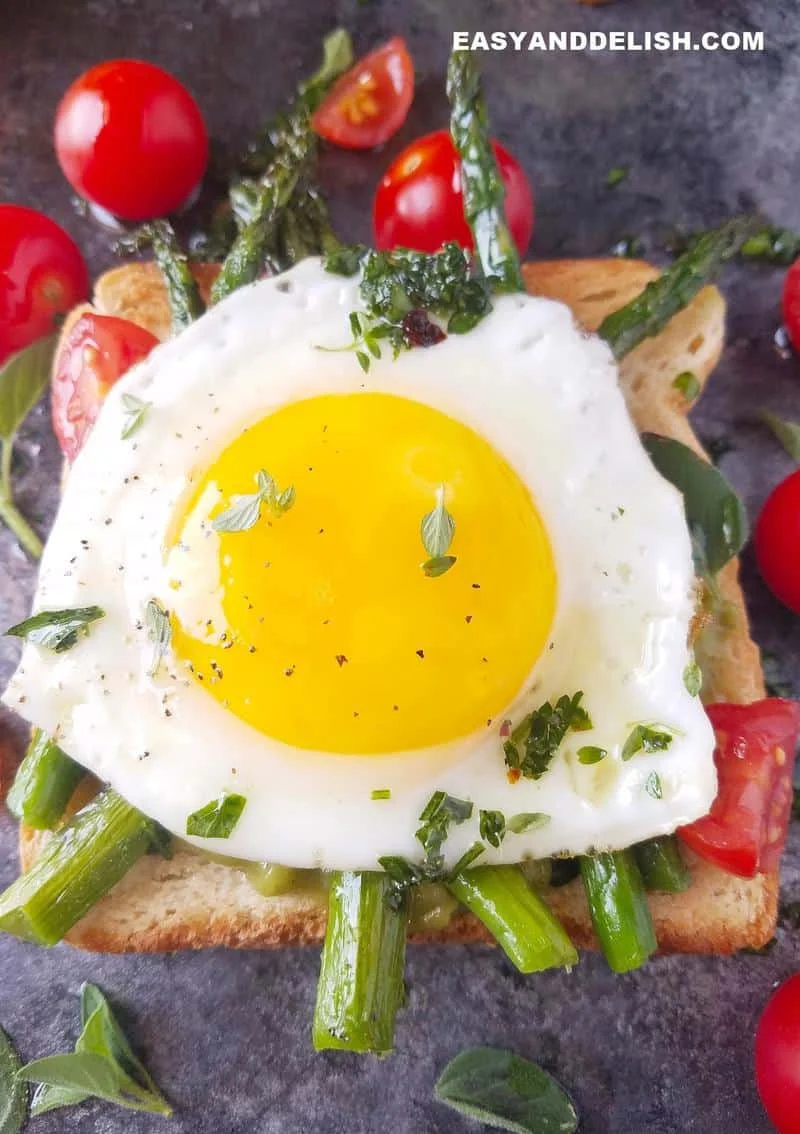
Sunny-side up eggs are fried without flipping, leaving the yolks exposed, warm and runny beneath softly set whites. A non-stick pan and gentle heat help make this quick American-style breakfast easy to manage.
Ingredients
- 15 ml (1 tablespoon)olive oil, or bacon fat, unsalted butter or clarified butter
- 2 largeeggs
- to tastesalt and ground black pepper
Instructions
- 1
Heat the pan
Set a large non-stick frying pan over medium-low heat. Use a pan with enough room for the eggs to sit apart, so they cook without crowding.
- 2
Check the heat
Add about 2.5 ml (½ teaspoon) of water to the hot pan. If it sizzles and evaporates, the pan is ready for the eggs.
- 3
Add the fat
Coat the base lightly with your chosen fat, using about 15 ml (1 tablespoon). If using butter, let it melt; avoid adding so much that the eggs become greasy.
- 4
Crack in eggs
Gently crack the eggs into the pan, leaving space between them and taking care not to break the yolks. An egg ring can help keep them round and the yolks centred, if you like. The clear whites will gradually turn opaque.
- 5
Cook the whites
Cook for about 2 to 2½ minutes, until the tops of the whites are set but the yolks remain runny. If the oil starts to spit, lower the heat to low.
- 6
Lift from pan
Take the pan off the heat when the eggs are ready. Use a large, thin metal spatula, rather than a rubber one, to slide under and lift each egg onto a serving plate.
- 7
Transfer gently
Support each egg with the broad spatula blade as you move it, helping to keep the soft yolk intact. Dab with kitchen paper to remove excess oil if desired.
- 8
Season and serve
Season with salt and freshly ground black pepper, and add fresh or dried herbs if desired. Serve immediately.
What are sunny-side up eggs?
Sunny-side up eggs are fried on one side only, so the yolks remain visible and runny while the whites set. They are a familiar American breakfast, cooked quickly in a pan rather than turned or covered.
This version relies on a non-stick pan and moderate heat to set the whites gently without overcooking the yolks. A little fat helps the eggs release cleanly and adds flavour.
Nutrition and macros by portion
The nutrition label shows one serving as written: 123 calories, 5g protein, 0g carbs, 11g fat.
| Portion | Adjustment | kcal | Protein | Carbs | Fat |
|---|---|---|---|---|---|
| Lighter | Use less cooking fat | 86 kcal | 4g | 0g | 8g |
| This serving | As written | 123 kcal | 5g | 0g | 11g |
| Hungry | Add another egg | 185 kcal | 8g | 0g | 17g |
The eggs provide most of the protein and fat, while the olive oil or other cooking fat adds further fat; this serving contains very little carbohydrate. To balance the plate, serve the eggs with vegetables and a portion of wholemeal toast or potatoes.
Choose your cooking fat
Olive oil: The listed choice coats the pan and lets the eggs slide onto the plate. Use a modest amount so the finished eggs do not feel greasy.
Butter or bacon fat: These are alternatives in the recipe, each bringing a different flavour. Clarified butter is another option; melt butter before adding the eggs.
Keep the heat gentle
Pan check: A few drops of water should sizzle and evaporate before you add the cooking fat. This is the recipe’s cue that the pan is ready.
Adjust as needed: The oil spitting means the pan is too hot, so reduce the heat to low. Excessive heat can make the underside cook too fast while the tops of the whites are still unset.
Watch for the right texture
Whites: Look for the clear parts to turn opaque and for the tops to become set. The recipe gives about 2 to 2½ minutes as a guide.
Yolks: Take the pan off the heat while the yolks are still runny. The eggs are delicate, so ease a thin metal spatula underneath rather than trying to flip or drag them.
Give the eggs room
Spacing: Keep the two eggs apart in the pan. A roomy pan helps avoid crowding and gives you space to slide the spatula underneath each one.
Shape: An egg ring is optional if you want a rounder outline and centred yolks. Crack the eggs gently either way to help keep the yolks intact.
Serve straight away
Sunny-side up eggs are best plated as soon as they are cooked, while the whites are soft and the yolks remain runny. Season with salt and freshly ground black pepper at the end.
Serve them with toast for dipping, or alongside breakfast potatoes and vegetables for a more substantial plate.
Recipe notes & tips
- Use a non-stick pan so the delicate whites release more easily.
- Keep the heat at medium-low and lower it further if the oil starts to spit.
- Crack each egg gently to help keep its yolk intact.
- Leave space between the eggs so you can lift them separately.
- Use a thin metal spatula to slide beneath the whites without tearing them.
- Add the salt and pepper just before serving.
Variations
- Bacon fat: Use it instead of olive oil for a savoury, smoky note.
- Butter: Melt unsalted butter in the pan before adding the eggs.
- Clarified butter: Choose it as the cooking fat for a buttery flavour.
- Fresh herbs: Scatter chopped herbs over the eggs just before serving.
- Dried herbs: Add a light sprinkle along with the salt and pepper.
Common mistakes to avoid
- Overcrowding the pan: Leave space between the eggs so they are easier to cook and lift.
- Excessive heat: If the oil spits, turn the heat down to low.
- Broken yolks: Crack the eggs gently into the pan and avoid moving them as they cook.
- Overcooking: Remove the pan from the heat once the whites are set and the yolks are still runny.
- Tearing the whites: Slide a thin metal spatula carefully beneath each egg before lifting.
- Too much fat: Lightly coat the pan rather than pouring in extra oil or butter.
How to store
These eggs are best eaten immediately, while the yolks are runny and the whites are tender. If necessary, refrigerate leftovers in a covered container and use within 1 day; reheat gently in a pan, knowing the yolks may set further.
Frequently asked questions
How long do sunny-side up eggs take to cook?
The recipe gives about 2 to 2½ minutes once the eggs are in the pan. Watch for set whites and remove the pan from the heat while the yolks are still runny.
How do I know when the pan is ready?
Add about 2.5 ml (½ teaspoon) of water to the heated pan. If it sizzles and evaporates, the pan is ready for the cooking fat.
Why is the oil spitting?
The pan or oil is too hot. Turn the heat down to low so the eggs can cook more gently.
Do I need an egg ring?
No, it is optional. An egg ring can help give the eggs a round shape and keep the yolks centred.
Can I use butter instead of olive oil?
Yes. Unsalted butter, clarified butter and bacon fat are listed alternatives; melt butter in the pan before adding the eggs.
What is the best way to keep the yolks runny?
Cook the eggs gently without flipping them, and take the pan off the heat as soon as the whites are set. Serve them straight away.
Cook it from the original
This recipe comes from easyanddelish.com. Their page has the author’s own photos, notes and tips — the best place to cook it from.
Open the recipe on easyanddelish.com