
Shrimp Scampi Pasta Recipe
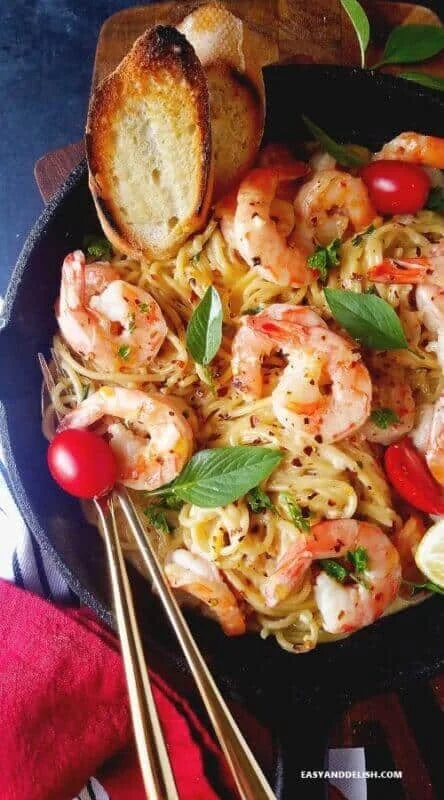
This one-pot shrimp scampi pasta brings garlic, white wine, cream and lemon together in a quick, satisfying meal. It is ready in about 20 minutes, making it a practical choice for a busy evening.
Ingredients
- 225 g (8 oz)whole-wheat pasta
- 30 ml (2 tbsp)olive oil
- 6 cloves, mincedgarlic
- 567 g (1¼ lb), thawed and patted dry; peeled, deveined and tails removedlarge shrimp
- to tastesalt
- 0.6 ml (⅛ tsp)red pepper flakes
- 120 ml (½ cup)dry white wine
- 120 ml (½ cup)heavy whipping cream
- 1 lemon, juicedlemon
- about 35 g (⅓ cup), shreddedParmesan cheese
- 30 ml (2 tbsp), choppedparsley and/or basil leaves
- 6–8, halved (optional)grape tomatoes
Instructions
- 1
Cook the pasta
Bring a large pot of water to the boil with a pinch of salt and a little olive oil. Add the pasta and cook, stirring occasionally, until al dente, about 7–10 minutes. Drain and set aside.
- 2
Soften the garlic
Using the same pot, heat 2 tablespoons of oil over medium heat for about 1 minute. Add the garlic and cook, stirring, for about 1 minute; do not let it brown.
- 3
Cook the shrimp
Add the shrimp and season with salt and red pepper flakes. Toss until pink and opaque in the centre, about 3 minutes. Add the wine and toss for 1 minute, then stir in the cream until the sauce is smooth and cook for about 1–2 minutes.
- 4
Finish and serve
Take the pot off the heat and stir in the lemon juice. Return the cooked pasta to the pot and toss with the Parmesan and chopped parsley and/or basil. Add the grape tomatoes on top if you like, and serve hot.
What is shrimp scampi pasta?
Shrimp scampi is an American-style dish inspired by Italian-American cooking, pairing shrimp with garlic, butter or oil, wine and citrus. Here, pasta turns those flavours into a one-pot meal, with cream and Parmesan giving the sauce a richer finish.
The method keeps the pasta and shrimp in the same pot in succession, so the cooking stays simple. Lemon and fresh herbs brighten the creamy sauce just before serving.
Nutrition and macros by portion
The nutrition label shows one serving as written: 576 calories, 41g protein, 49g carbs, 23g fat.
| Portion | Adjustment | kcal | Protein | Carbs | Fat |
|---|---|---|---|---|---|
| Lighter | Less cream and Parmesan | 403 kcal | 29g | 34g | 16g |
| This serving | As written | 576 kcal | 41g | 49g | 23g |
| Hungry | Larger pasta portion | 864 kcal | 62g | 74g | 35g |
The pasta supplies most of the carbohydrates, while olive oil, cream and Parmesan contribute much of the fat. Shrimp is the main source of protein, with additional protein from the pasta and cheese. Serve with a generous side of vegetables or salad to round out the plate.
Choosing the ingredients
Pasta: Whole-wheat pasta gives the dish a nutty flavour and holds its shape when tossed with the sauce. Cook it only until al dente, since it will be mixed with the hot sauce afterwards.
Shrimp: Large peeled and deveined shrimp are easy to eat in a pasta dish. Patting them dry helps them cook without adding excess water to the pot.
Wine and cream: Dry white wine brings acidity, while cream softens its sharpness and makes the sauce cohesive. Use a wine you would be happy to drink.
Keep the garlic pale
Garlic cooks quickly in the warm oil, so stir it for about 1 minute and keep it from browning. If it darkens, it can taste bitter and affect the whole sauce.
Have the shrimp ready before adding the garlic, so you can move straight to the next step without leaving the pot unattended.
Check the shrimp for doneness
Shrimp: Toss them as they cook and look for flesh that has turned pink and opaque in the centre, which takes about 3 minutes in the recipe. Avoid cooking them for much longer, as they can become firm and chewy.
Sauce: After adding the cream, stir until it is evenly combined and let it cook for just 1–2 minutes. The sauce should be smooth rather than reduced to a thick coating.
Keep the timing on track
Pasta: Start with boiling water and check the packet timing as you approach the 7-minute mark; the recipe gives a range of 7–10 minutes. Drain it as soon as it is al dente.
Finish: The shrimp and sauce come together quickly, so drain the pasta before beginning that stage. This lets you return it to the pot while the sauce is hot.
Serving ideas
Serve the pasta straight away while the sauce is warm and fluid. A simple green salad or steamed vegetables make an easy accompaniment.
The optional halved grape tomatoes add a fresh, juicy contrast. Add them on top at the end, as directed, rather than cooking them into the sauce.
Recipe notes & tips
- Pat the thawed shrimp dry before cooking so excess moisture does not dilute the sauce.
- Mince the garlic and chop the herbs before you start; the cooking stages move quickly.
- Stir the pasta occasionally as it boils to help it cook evenly.
- Keep the garlic moving in the pot and take care not to let it brown.
- Add the lemon juice after removing the pot from the heat for a fresh citrus finish.
- Serve promptly, as the pasta continues to absorb sauce as it stands.
Variations
- Use basil: Swap in chopped basil leaves for the parsley, or use a mixture of both.
- Adjust the heat: Reduce or increase the red pepper flakes to suit your preference.
- Add tomatoes: Halve the grape tomatoes and scatter them over the finished pasta.
- Skip the wine: Replace it with water if you prefer to cook without wine; the flavour will be less wine-forward.
- Make it less rich: Use less cream and Parmesan for a lighter-tasting sauce.
Common mistakes to avoid
- Browned garlic: Keep stirring and move on to the shrimp after about 1 minute so the garlic does not turn bitter.
- Overcooked pasta: Check it within the 7–10 minute range and drain when it is al dente.
- Wet shrimp: Pat the shrimp dry before adding them to the pot to avoid watering down the sauce.
- Rubbery shrimp: Stop cooking once they are pink and opaque in the centre, about 3 minutes.
- Thickened sauce: Keep the cream stage brief, cooking for about 1–2 minutes before finishing the dish.
How to store
Refrigerate leftovers in a covered container and eat within 2 days. Reheat gently in a pan over low heat, adding a small splash of water if the sauce has thickened; avoid prolonged heating so the shrimp do not toughen.
Frequently asked questions
Can I use a different type of pasta?
Yes, another pasta shape can work. Follow its packet instructions and cook it until al dente before draining.
Can I use frozen shrimp?
Yes, thaw it fully first, then pat it dry and make sure it is peeled and deveined as directed.
How do I know when the shrimp are cooked?
They should be pink and opaque in the centre. The recipe estimates about 3 minutes of tossing in the pot.
Can I leave out the cream?
You can, but the sauce will be less creamy and rich. Stir the lemon juice in off the heat as directed.
Can I make the dish ahead?
It is best served straight after cooking, when the shrimp are tender and the sauce is loose. If needed, cook it ahead and reheat gently, adding a splash of water if necessary.
Cook it from the original
This recipe comes from easyanddelish.com. Their page has the author’s own photos, notes and tips — the best place to cook it from.
Open the recipe on easyanddelish.com