
Farina [Video+Recipe] Cream of Wheat Breakfast Porridge
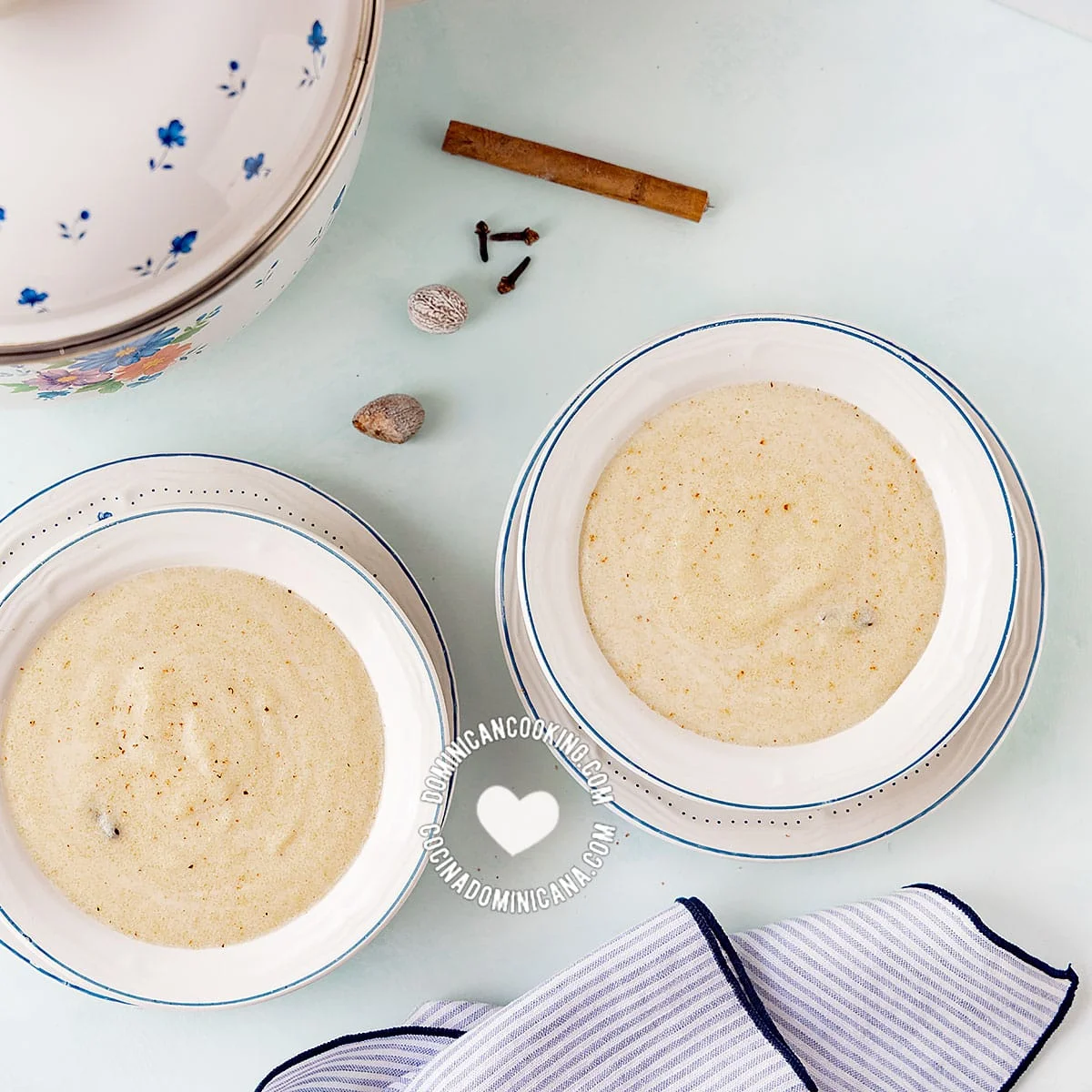
Farina, also known as Cream of Wheat, is a smooth, gently spiced breakfast porridge associated with Dominican cooking. Milk, cinnamon, vanilla and a little butter make it comforting, while the sugar can be adjusted to suit your taste.
Ingredients
- 710 mlmilk, whole or skimmed
- 275 gfarina (Cream of Wheat)
- ½ teaspoonsalt
- ½ teaspoonvanilla extract
- 3cinnamon sticks
- ¼ teaspoonground cloves
- ½ cup (about 100 g)brown sugar
- 2 tablespoonssalted butter
- ¼ teaspoonfreshly grated nutmeg
- 473 ml (2 cups)water
Instructions
- 1
Combine ingredients
In a medium saucepan, combine the milk, farina, salt, vanilla, cinnamon sticks, ground cloves, 473 ml (2 cups) water and half the brown sugar. Stir until the sugar dissolves, then taste and add more sugar if you prefer. Leave the mixture to rest for 5 minutes.
- 2
Cook the porridge
Set the pan over medium heat and stir constantly to stop the mixture sticking. Once it reaches a boil, add the butter and reduce the heat to very low. Simmer, stirring, until it reaches your preferred consistency; it will thicken considerably as it cools, so aim for a thick but still pourable porridge.
- 3
Serve warm
Take the pan off the heat and pour the porridge into individual servings. Sprinkle with the nutmeg and serve warm.
What is farina?
Farina is a hot cereal made from wheat, also commonly sold as Cream of Wheat. It is cooked into a soft porridge and is enjoyed as breakfast in many places, including the Dominican Republic.
This version combines milk and water with cinnamon, cloves and vanilla for a warmly spiced bowl. Butter adds richness, while the sugar is adjustable for anyone who prefers a less sweet breakfast.
Nutrition and macros by portion
The nutrition label shows one serving as written: 361 calories, 9g protein, 63g carbs, 8g fat.
| Portion | Adjustment | kcal | Protein | Carbs | Fat |
|---|---|---|---|---|---|
| Lighter | Use skimmed milk, less sugar | 253 kcal | 6g | 44g | 6g |
| This serving | As written | 361 kcal | 9g | 63g | 8g |
| Hungry | Serve a larger bowl | 542 kcal | 14g | 95g | 12g |
The farina and brown sugar provide most of the carbohydrates, while milk contributes protein and some of the fat. Butter and whole milk add further fat; for a more balanced breakfast, serve a bowl with fruit or a protein-rich side.
Choosing the ingredients
Farina: Use the farina or Cream of Wheat specified in the recipe; it is the ingredient that gives the porridge its smooth, thick body.
Milk: Whole milk makes a richer result, while skimmed milk keeps it lighter. The recipe also includes water, which loosens the mixture as it cooks.
Spices: Cinnamon sticks infuse the porridge as it simmers, while ground cloves, vanilla and freshly grated nutmeg build its fragrant flavour.
Stir as it cooks
Constant stirring over medium heat helps keep the farina from settling and sticking to the bottom of the saucepan. Once the mixture boils, lower the heat before simmering.
Add the butter after the boil, as directed, then keep stirring over very low heat until the porridge is thick but still pourable.
Getting the texture right
The porridge continues to thicken as it cools, so take it off the heat while it still looks a little looser than you want to serve it. A thick but liquid consistency is the guide in the method.
If you cook it until it is very stiff in the pan, it may be too dense once it reaches the bowl. Stirring regularly also helps the texture stay even.
Adjusting the sweetness
The method starts with half of the listed sugar, then suggests tasting and adding more as needed. That gives you a chance to stop at a milder sweetness or use the full amount.
Taste carefully before serving, and remember that the cinnamon, cloves and vanilla contribute plenty of flavour even if you use less sugar.
Serving ideas
Serve the porridge warm in individual bowls, finished with a little freshly grated nutmeg. It makes a filling breakfast on its own.
For a more balanced plate, pair a serving with fruit or another source of protein, such as eggs, if that suits your meal.
Recipe notes & tips
- Stir continuously over medium heat to keep the farina from sticking.
- Let the mixture rest for 5 minutes before cooking, as directed.
- Start with half the sugar and add more only after tasting.
- Lower the heat to very low as soon as the mixture boils.
- Stop cooking while the porridge is still pourable, since it thickens as it cools.
Variations
- Milder sweetness: Use less than the listed sugar, tasting as you go.
- Skimmed milk: Choose skimmed milk for a less rich porridge.
- Richer bowl: Use whole milk for a creamier result.
- Extra cinnamon: Add a little more cinnamon flavour to suit your taste.
- Fruit topping: Serve with sliced fruit for a fresh contrast.
Common mistakes to avoid
- Leaving it unstirred: Farina can settle and stick; stir constantly while it heats.
- Keeping the heat high: The mixture may catch on the pan; reduce it to very low after boiling.
- Adding all the sugar at once: Start with half and taste before adding the rest.
- Cooking until very thick: It thickens as it cools; take it off the heat while still pourable.
- Skipping the rest: Leave the combined mixture for 5 minutes before cooking.
How to store
Cool leftovers and refrigerate them in a covered container, then use within 3 days. Reheat gently in a saucepan, stirring and adding a splash of milk or water to loosen the thickened porridge.
Frequently asked questions
Can I use whole or skimmed milk?
Yes. The recipe allows either; whole milk gives a richer porridge, while skimmed milk makes it less rich.
How much sugar should I add?
Begin with half the listed amount, taste, then add more if you want a sweeter porridge. The full amount may be too sweet for some tastes.
Why does the porridge thicken after cooking?
Farina continues to thicken as it cools. Remove it from the heat when it is still thick but pourable.
How do I stop farina sticking to the pan?
Stir constantly over medium heat, and keep stirring as it simmers over very low heat.
Can I make it ahead?
You can refrigerate leftovers and reheat them gently. Stir in a little milk or water to loosen the porridge as it warms.
Cook it from the original
This recipe comes from dominicancooking.com. Their page has the author’s own photos, notes and tips — the best place to cook it from.
Open the recipe on dominicancooking.com