
Herb-rubbed pork tenderloin
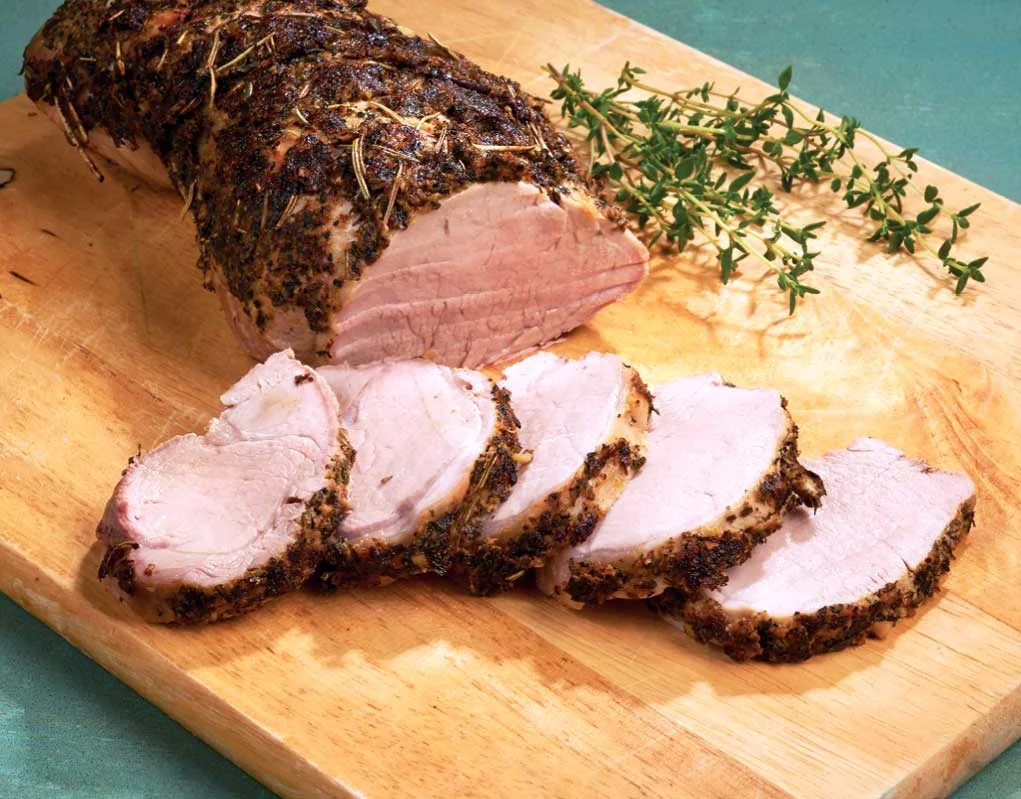
Pork tenderloin is coated in a savoury mix of herbs, garlic and Dijon mustard, then seared and roasted until tender. The hands-on work is simple, and thinly sliced leftovers are handy for sandwiches.
Ingredients
- 5 ml (1 tsp)dried rosemary
- 5 ml (1 tsp)dried thyme
- 5 ml (1 tsp)dried parsley
- 10 ml (2 tsp)black pepper
- 2 cloves, finely mincedgarlic
- 30 ml (2 tbsp)Dijon mustard
- 680 g (24 oz), about 2 tenderloinspork tenderloin
- 22.5 ml (1½ tbsp)vegetable oil
Instructions
- 1
Mix the rub
In a small bowl, combine the rosemary, thyme, basil, parsley and black pepper. Add the mustard and garlic and mix well. Rub the mixture evenly over the pork tenderloins, cover and refrigerate for at least 2 hours.
- 2
Heat the oven
Preheat the oven to 204°C (400°F).
- 3
Sear the pork
Heat the oil in a large frying pan over medium-high heat. Add the tenderloins and brown them on all sides. Transfer them to a baking dish, leaving plenty of space so they do not touch.
- 4
Roast the tenderloins
Bake for 20 minutes, or until a meat thermometer reads 71°C (160°F) for medium or 77°C (170°F) for well done.
- 5
Rest before carving
Leave the tenderloins to rest for 10–15 minutes before carving, so the juices can settle through the meat.
What is herb-rubbed pork tenderloin?
Pork tenderloin is a lean, tender cut from along the pig’s back, and it cooks relatively quickly once it is in the oven. Herbs, pepper, garlic and mustard give this version a savoury crust without relying on a heavy sauce.
Herb-rubbed roasts are a familiar home-cooking approach in many cuisines rather than a dish with one specific origin. Here, a short chill with the rub lets its flavours cling to the pork before searing and roasting.
Nutrition and macros by portion
The nutrition label shows one serving as written: 140 calories, 19g protein, 1g carbs, 5g fat.
| Portion | Adjustment | kcal | Protein | Carbs | Fat |
|---|---|---|---|---|---|
| Lighter | Less oil for searing | 98 kcal | 13g | 1g | 4g |
| This serving | As written | 140 kcal | 19g | 1g | 5g |
| Hungry | Larger pork portion | 210 kcal | 29g | 2g | 8g |
The pork provides most of the protein, while the mustard and herbs contribute little energy in the amounts used; the oil is the main source of fat. Serve a measured portion with vegetables and a carbohydrate such as potatoes or rice to make a balanced plate.
Build the herb and mustard rub
Dry herbs: rosemary, thyme and parsley bring an aromatic, savoury flavour. The method also mentions basil, although it is not listed in the supplied ingredients, so check the original recipe if you want to confirm whether it is intended.
Mustard and garlic: Dijon helps the seasonings adhere to the meat, while minced garlic adds a sharp savoury note. Mix these with the herbs before coating the tenderloins.
Give it time to marinate
Chilling: cover the coated pork and refrigerate it for at least 2 hours, as directed. This gives the rub time to sit on the surface while keeping the meat chilled.
Before cooking: take the tenderloins from the fridge when you are ready to sear them, and keep the oven and baking dish ready so the process can move smoothly.
Sear before roasting
Even browning: turn the tenderloins in the hot oil so all sides colour. Use a large frying pan, and avoid crowding the meat if your pan is too small for both pieces.
Room in the dish: transfer the pork to a baking dish with space between the tenderloins, as the method specifies. This makes it easier for the heat to circulate around them.
Check the centre and rest
Doneness: the recipe gives a roasting time of 20 minutes, but also asks you to check the centre with a meat thermometer. Its stated temperatures are 71°C for medium and 77°C for well done.
Resting: leave the meat for 10–15 minutes before carving. This pause helps the juices settle and makes the tenderloins easier to slice neatly.
How to serve it
For dinner: carve the pork into slices and serve with vegetables and a starch such as potatoes, rice or bread. Choose accompaniments that suit the meal and your preferred portion.
For leftovers: slice the cooled meat thinly for sandwiches, as suggested in the recipe description. It also works as a topping for a salad or grain bowl.
Recipe notes & tips
- Mix the rub thoroughly so the minced garlic is spread evenly over both tenderloins.
- Cover the pork while it marinates in the refrigerator.
- Sear all sides rather than just the top for more even browning.
- Use a meat thermometer to check the centre instead of relying on time alone.
- Rest the tenderloins for the full 10–15 minutes before carving.
- Slice leftovers thinly for sandwiches.
Variations
- Add the listed basil: include it with the other herbs if you confirm it is intended, as the method mentions it but the ingredient list does not.
- Change the herbs: use another combination of dried herbs in place of the listed mix.
- Use fresh herbs: finely chop them and mix them into the mustard and garlic rub.
- Add citrus: serve the carved pork with lemon wedges for a fresh finish.
- Make a sandwich filling: layer thin slices with salad leaves in bread or a roll.
Common mistakes to avoid
- Skipping the marinade: refrigerate the coated pork for at least 2 hours as directed.
- Crowding the frying pan: brown the tenderloins in batches if they do not fit comfortably.
- Turning only once: rotate the meat so all sides get a chance to brown.
- Guessing doneness: check the centre with a meat thermometer and use the temperatures given in the method.
- Carving straight away: rest the pork for 10–15 minutes before slicing.
- Overlooking the basil discrepancy: the method mentions basil, but it is absent from the ingredient list; check the source recipe if needed.
How to store
Refrigerate leftover pork in a covered container and use it within 3–4 days. Reheat gently until hot throughout, or serve it cold in thin slices for sandwiches.
Frequently asked questions
How long should the pork marinate?
The method says to cover it and refrigerate for at least 2 hours. Keep it chilled until you are ready to cook.
How long does pork tenderloin take in the oven?
The recipe gives 20 minutes at 204°C, then calls for checking the centre with a meat thermometer. The actual time can vary, so follow the thermometer guidance in the method.
What temperature should the pork reach?
The supplied method gives 71°C for medium or 77°C for well done. Check the centre of the meat with a thermometer.
Why should the pork rest before carving?
Resting for 10–15 minutes gives the juices time to settle through the meat and helps the slices hold together.
Can I use the leftovers in sandwiches?
Yes. The recipe description suggests refrigerating thinly sliced leftovers for sandwiches later in the week.
Does the recipe include basil?
Basil appears in the method but not in the ingredient list. Check the original recipe if you need to confirm whether to add it.
Cook it from the original
This recipe comes from diabetesfoodhub.org. Their page has the author’s own photos, notes and tips — the best place to cook it from.
Open the recipe on diabetesfoodhub.org