
How To Make Quark Cheese
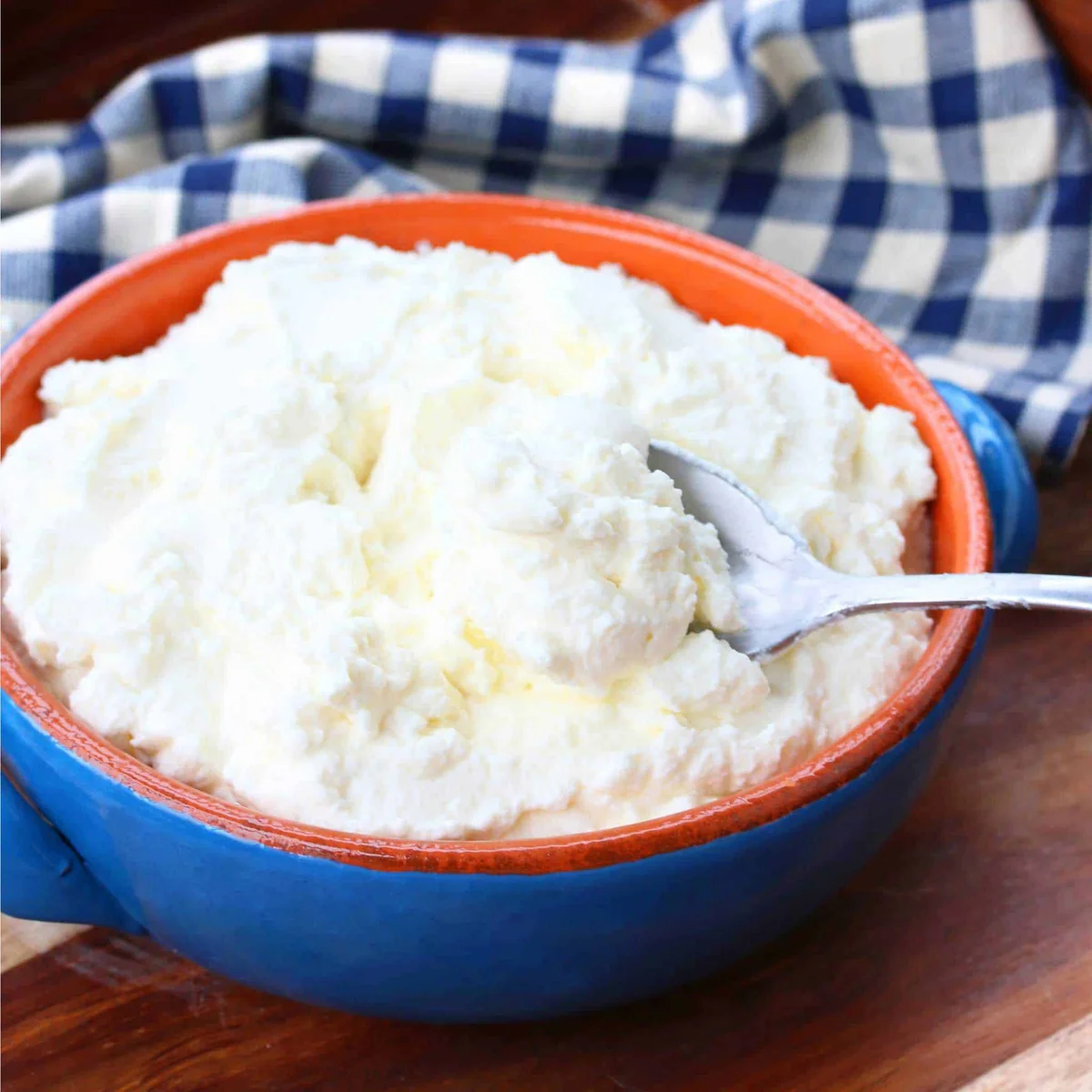
Quark is a fresh, mild cultured cheese with a creamy, spreadable texture. This homemade version needs little hands-on work, but it does require a long setting period and a few hours of draining.
Ingredients
- 2 gallons (7.57 L)whole milk, or half whole milk and half 2% milk
- 1/4 teaspoonmesophilic culture
- 1/2 teaspoonliquid calcium chloride (omit if using raw milk)
- 1/2 teaspoonliquid rennet
- 1/2 cup (120 ml) for the calcium chloridecool, non-chlorinated water
- 1/2 cup (120 ml) for the rennetcool, non-chlorinated water
- Additional equipment neededstainless steel skimmer
- Additional equipment neededcheesecloth
- Additional equipment neededthermometer (dairy thermometer or instant-read digital thermometer)
Instructions
- 1
Warm the milk
Put the milk in a large sterilised pot over medium heat and warm it gradually to 25°C (77°F), stirring gently with a sterilised stainless steel spoon to prevent scorching. Take the pot off the heat.
- 2
Add the cultures
Sprinkle the mesophilic culture evenly over the milk and leave it to rehydrate for 5 minutes. With a sterilised stainless steel skimmer, use a gentle up-and-down motion to draw the culture into the milk without breaking its surface. Stir the calcium chloride into 120 ml (1/2 cup) of cool, non-chlorinated water. Gently stir the milk, add the diluted calcium chloride while it is swirling, then mix it through with the skimmer using the same motion. Repeat with the rennet and another 120 ml (1/2 cup) of cool, non-chlorinated water, making sure both additions are evenly distributed. Cover the pot and leave it in a draught-free place at room temperature for 24 hours; wrap it in a large towel if needed. After 24 hours, carefully tilt the pot to pour off any whey on the surface.
- 3
Check and cut
The set milk should have pulled away from the sides of the pot. Check for a clean break by cutting into the thickened milk with a long, sterilised knife; if it does not cut cleanly, leave it for another 30 minutes and check again, repeating if necessary. Cut the curd into strips about 5 cm (2 inches) wide from top to bottom, then cut strips across from side to side. Use the skimmer to cut the curd horizontally into cubes.
- 4
Drain the curds
Set the curds in a colander lined with cheesecloth, working in batches if needed. Drain for about 4 hours, or less if the cloth has a wide mesh, until the quark is thick and spreadable. Transfer it to a bowl, stir several times to smooth out lumps, cover and refrigerate. The yield is approximately 1.8 kg (4 pounds), though it varies with the milk and draining time; it keeps for up to 2 weeks in the fridge.
- 5
Make it creamier
For a creamier version known in Germany as Sahnequark, stir a little heavy cream into the finished quark.
What is quark cheese?
Quark is a fresh cultured dairy cheese common in German-speaking parts of Europe. It is mild and soft, with a texture that can range from spoonable to thick and spreadable depending on how long it drains.
This version relies on a long room-temperature set followed by draining, rather than pressing or ageing. The gentle handling helps the curd form while keeping the finished cheese tender.
Nutrition and macros by portion
The nutrition label shows one serving as written: 450 calories, 45g protein, 20g carbs, 25g fat.
| Portion | Adjustment | kcal | Protein | Carbs | Fat |
|---|---|---|---|---|---|
| Lighter | Use the half 2% milk blend | 315 kcal | 31g | 14g | 18g |
| This serving | As written | 450 kcal | 45g | 20g | 25g |
| Hungry | Serve a larger portion | 675 kcal | 68g | 30g | 38g |
The milk supplies most of the carbohydrates, protein and fat, while the finished macros vary with how much whey drains away and whether whole milk or a blend is used. Pair a serving with fruit or vegetables and wholegrain bread or crackers for a more balanced plate.
Choosing the milk
Whole milk: this gives the quark a richer result. A blend of whole milk and 2% milk is also offered, with a somewhat lighter texture.
Raw milk: the recipe says to omit the calcium chloride when using it. For other milk, the calcium chloride is diluted before it goes into the pot.
Getting the culture evenly mixed
Rehydration: give the culture 5 minutes on the milk’s surface before mixing it in. This helps it disperse rather than clumping in one spot.
Gentle motion: use the skimmer in an up-and-down movement, avoiding a vigorous stir that breaks the milk’s surface. Dilute the calcium chloride and rennet separately, then distribute each through the swirling milk.
Checking the set
A properly set curd pulls away from the pot’s sides and gives a clean break when cut with a sterilised knife. If the cut looks ragged rather than clean, leave the pot undisturbed for another 30 minutes before checking again.
Cutting the curd into strips and then cubes creates pieces that can drain in the cloth. Keep the cuts steady and use clean, sterilised tools throughout.
Draining to the right texture
The suggested draining time is about 4 hours, but the result matters more than the clock. A finer cheesecloth mesh may take longer to release whey than a wider mesh.
Stop when the curds are thick and spreadable. Stirring the finished quark in a bowl breaks up remaining lumps and gives it a more even texture.
Planning the long set
The milk needs 24 hours in a draft-free spot at room temperature, so choose a place where the covered pot can sit undisturbed. Wrapping the pot in a large towel is suggested if you need to help protect it from draughts.
Allow extra time for the curds to drain after the set. The process is mostly hands-off, but it is best to begin well before you plan to use the quark.
Ways to serve it
Quark’s mild flavour suits both sweet and savoury dishes, from a simple spread to a base for toppings or dips. Stir in heavy cream for the richer Sahnequark variation described in the method.
For a balanced meal, serve it with fruit or vegetables and a source of wholegrain carbohydrate, such as bread or crackers.
Recipe notes & tips
- Sterilise the pot, spoon, skimmer and knife before they touch the milk or curds.
- Warm the milk gradually to 25°C (77°F) rather than rushing the heating.
- Keep the pot covered and away from draughts during the 24-hour set.
- Dilute the calcium chloride and rennet in separate portions of cool, non-chlorinated water.
- Check the curd for a clean break before cutting it.
- Judge the draining by the thick, spreadable texture rather than relying only on the stated time.
Variations
- Make Sahnequark: stir a little heavy cream into the finished quark for a creamier texture.
- Use a milk blend: replace half the whole milk with 2% milk as suggested in the recipe.
- Serve it sweet: pair the plain quark with fruit or another sweet topping.
- Serve it savoury: use the mild quark as a spread or dip base with savoury accompaniments.
Common mistakes to avoid
- Heating too quickly: warm the milk slowly to 25°C (77°F) so it can set properly.
- Rough stirring: use the skimmer’s gentle up-and-down motion instead of breaking the milk’s surface.
- Cutting an unset curd: wait another 30 minutes and check for a clean break before proceeding.
- Draining by the clock alone: leave the curds until they reach a thick, spreadable consistency.
- Using non-sterilised tools: sterilise the equipment that contacts the milk and curds.
How to store
Keep the quark covered in the fridge for up to 2 weeks. The recipe does not specify a reheating method; use it chilled or bring only the amount needed to room temperature before serving.
Frequently asked questions
How long does homemade quark take?
The milk sits for 24 hours, followed by about 4 hours of draining, though draining can take less time depending on the cheesecloth. Allow additional time for warming and handling.
How do I know the milk has set?
The thickened milk should pull away from the sides of the pot and give a clean break when cut with a sterilised knife. If it does not, wait 30 minutes and check again.
Can I use 2% milk?
The recipe allows a blend of half whole milk and half 2% milk. It does not specify using 2% milk on its own.
Why is my quark still too soft?
It may need more draining time. Leave it in the cheesecloth until it reaches a thick, spreadable consistency.
Can I make the quark creamier?
Yes. Stir a little heavy cream into the finished quark to make Sahnequark.
How much quark does this recipe make?
The stated yield is approximately 1.8 kg (4 pounds). The final amount varies with the milk used and how long the curds drain.
Cook it from the original
This recipe comes from daringgourmet.com. Their page has the author’s own photos, notes and tips — the best place to cook it from.
Open the recipe on daringgourmet.com