
Easy Pasta Alfredo
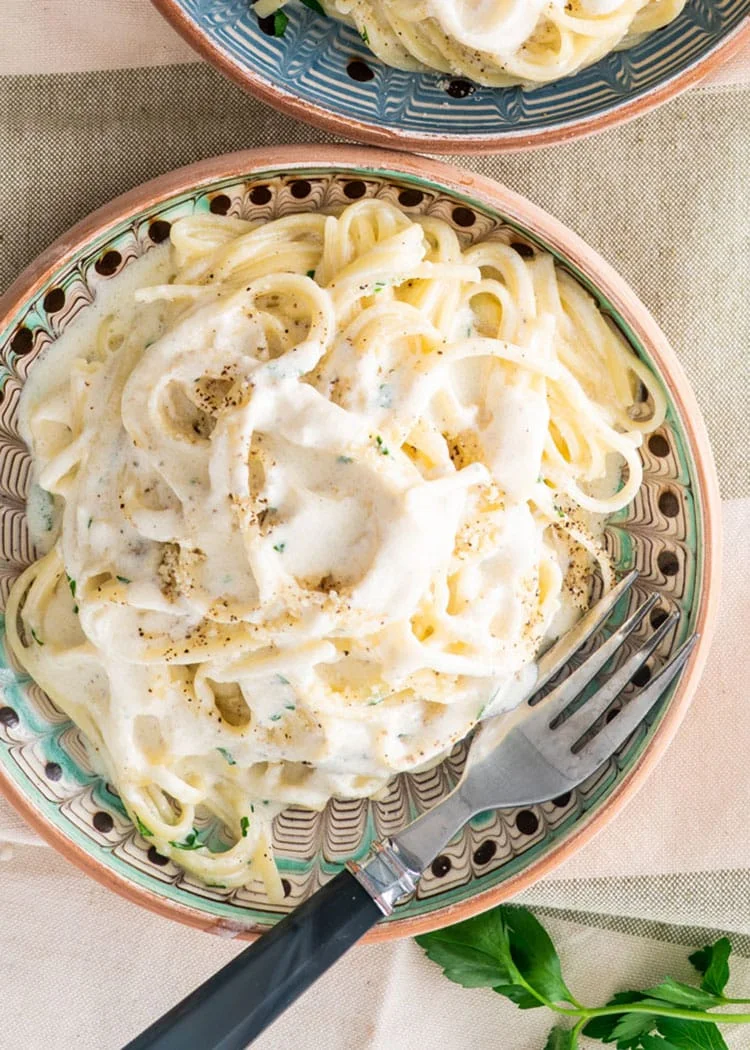
This easy pasta Alfredo pairs linguine with a creamy Parmesan sauce for a comforting meal that comes together in 15 minutes. It is a useful choice when you want a rich, simple pasta supper without a long list of ingredients.
Ingredients
- 227 g (8 oz)pasta, such as linguine
- 56 g (4 tablespoons)unsalted butter
- 2 clovesgarlic, minced
- 360 ml (1½ cups)milk
- 240 ml (1 cup)double cream
- 50 g (½ cup)Parmesan, shredded
- 1.25 ml (¼ teaspoon), or to tastesalt
- 1.25 ml (¼ teaspoon), or to tastepepper
- 8 g (2 tablespoons)fresh parsley, chopped
Instructions
- 1
Cook the pasta
Cook the pasta according to the instructions on its packet.
- 2
Melt the butter
Melt the butter in a large frying pan over medium-high heat. Add the minced garlic and cook for 30 seconds, or until fragrant.
- 3
Make the sauce
Pour in the milk and cream, stirring steadily so the mixture does not catch on the bottom of the pan. Once it comes to a boil, lower the heat to medium and stir in the Parmesan, salt and pepper. Taste and adjust the seasoning.
- 4
Combine and serve
Take the pan off the heat and mix in the cooked pasta until the sauce begins to thicken. Finish with parsley and serve.
What is pasta Alfredo?
Alfredo takes its name from a Roman pasta dish traditionally made with butter and cheese. This version adds milk and cream for a fuller, looser sauce, then brings it together with Parmesan and pasta.
The approach is straightforward: cook the pasta, warm the sauce ingredients, and toss everything together off the heat. Linguine works well because its broad strands catch the creamy sauce.
Nutrition and macros by portion
The nutrition label shows one serving as written: 625 calories, 16g protein, 49g carbs, 40g fat.
| Portion | Adjustment | kcal | Protein | Carbs | Fat |
|---|---|---|---|---|---|
| Lighter | Less cream, more vegetables | 438 kcal | 11g | 34g | 28g |
| This serving | As written | 625 kcal | 16g | 49g | 40g |
| Hungry | Add another pasta portion | 938 kcal | 24g | 74g | 60g |
The pasta supplies most of the carbohydrates, while butter, cream and Parmesan contribute much of the fat; the cheese also adds protein. Pair a serving with green vegetables or salad for a more balanced plate.
Choosing the ingredients
Pasta: Linguine is the suggested shape, but another long pasta can be used. Cook it according to the packet directions so it is ready to toss into the sauce.
Dairy: Unsalted butter gives you more control over seasoning, while milk and double cream make the sauce rich and smooth. Shredded Parmesan is stirred in to add savoury depth.
Keep the garlic gentle
Garlic: Thirty seconds in the melted butter is enough to bring out its aroma. Keep it moving and avoid letting it brown, which can make its flavour harsh.
Heat: The milk and cream need steady stirring as they warm. This helps prevent the mixture from catching on the bottom of the pan.
Watch the sauce texture
Boiling point: Bring the milk-and-cream mixture just to a boil, then reduce the heat to medium before adding the cheese. This keeps the sauce at a gentler heat while the Parmesan is incorporated.
Finish: Toss the pasta with the sauce off the heat. The recipe’s cue is that the sauce begins to thicken around the pasta; serve promptly while it is creamy.
Plan the 15-minute timing
Pasta first: Start cooking the pasta according to its packet instructions. Keep an eye on it while you prepare the sauce so both components are ready to combine.
Final toss: Add the drained, cooked pasta to the pan after taking it off the heat. Mixing at this stage lets the pasta pick up the sauce without continuing to cook it over the hob.
What to serve alongside
Vegetables: A crisp green salad or steamed green vegetables provide a fresh contrast to the creamy sauce. Keep any dressing or seasoning simple so it does not overwhelm the Parmesan.
To finish: Add the chopped parsley just before serving for a fresh, herbal note. Serve the pasta straight away, while the sauce is at its loosest.
Recipe notes & tips
- Measure the milk and cream before starting so they are ready when the garlic is fragrant.
- Stir the dairy mixture consistently as it heats to help stop it catching on the pan.
- Add the Parmesan after lowering the heat, as directed, and stir until combined.
- Taste the sauce before serving and adjust the salt and pepper to your preference.
- Mix the pasta into the sauce off the heat and serve once it begins to thicken.
Variations
- Use fettuccine: Swap in fettuccine or another long pasta, cooking it according to its packet.
- Add greens: Stir cooked peas or spinach through the pasta when combining it with the sauce.
- Add mushrooms: Cook sliced mushrooms separately and fold them in with the pasta.
- Add a sharper finish: Serve with extra shredded Parmesan at the table.
- Change the herbs: Use chopped chives instead of parsley for a different fresh garnish.
Common mistakes to avoid
- Browning the garlic: It can turn harsh; cook it for about 30 seconds, just until fragrant.
- Leaving the sauce unstirred: It may catch on the pan; stir steadily as the milk and cream heat.
- Adding cheese at a boil: Lower the heat to medium first, as directed, then mix in the Parmesan.
- Overheating after combining: The method calls for tossing the pasta in off the heat; remove the pan before adding it.
- Waiting too long to serve: The sauce thickens as it stands; serve once it begins to cling to the pasta.
How to store
Refrigerate leftovers in a sealed container and eat within 2 days. Reheat gently in a pan, stirring; add a small splash of milk if the sauce has thickened too much.
Frequently asked questions
Can I use a different pasta shape?
Yes. Use another pasta shape you have, and cook it according to the packet instructions.
Can I make the sauce ahead?
It is best made just before serving, when it can be combined with the pasta while warm. The sauce thickens as it stands.
How do I stop the sauce catching on the pan?
Stir consistently while the milk and cream heat, paying attention to the bottom of the pan.
When should I add the Parmesan?
Once the dairy mixture comes to a boil, turn the heat down to medium and stir in the Parmesan with the seasoning.
Can I reheat leftovers?
Yes. Warm them gently in a pan, stirring, and add a little milk if needed to loosen the sauce.
Cook it from the original
This recipe comes from cravinghomecooked.com. Their page has the author’s own photos, notes and tips — the best place to cook it from.
Open the recipe on cravinghomecooked.com