
Mom’s Mashed Potatoes
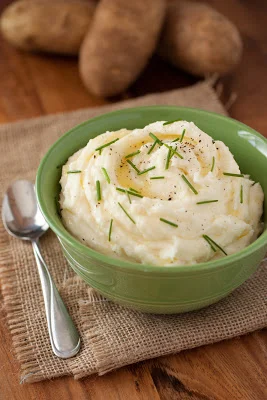
These American-style mashed potatoes are made with tender russets, melted butter and a warm mixture of cream, milk and sour cream. They make a soft, fluffy side dish for a family meal, with the dairy stirred in gradually so you can choose how thick or creamy they are.
Ingredients
- 1.81 kg (4 lb; about 8 medium potatoes)Russet potatoes
- 75 g (⅓ cup)butter, melted
- 240 ml (1 cup)double cream
- 120 ml (½ cup)milk, preferably semi-skimmed or whole
- 120 ml (½ cup)sour cream
- 1 tsp, then to tastesalt
- to tastefreshly ground black pepper
Instructions
- 1
Prepare the potatoes
Peel, rinse and cut the potatoes into large chunks; medium potatoes can be cut into six pieces each. Add 710 ml (3 cups) cold water to an 8-quart saucepan, enough to make a layer about 1.3 cm (½ inch) deep.
- 2
Simmer until tender
Put the potatoes into the cold water and heat over high heat, stirring occasionally, until the water begins to boil. Reduce the heat to medium-high, cover and cook for about 20–25 minutes, stirring once halfway through and watching the water level closely, until a fork pierces the potatoes very easily.
- 3
Warm the dairy
During the last few minutes of cooking, heat the double cream, milk and sour cream in a small saucepan over medium-high heat until very warm, whisking occasionally.
- 4
Mash with butter
Take the potatoes off the heat and drain away any excess water. Transfer them to a large mixing bowl, pour over the melted butter and mash until smooth, about 2–3 minutes.
- 5
Blend the mixture
Pour about three-quarters of the warm cream mixture over the potatoes. Add 1 tsp salt and black pepper to taste, then blend on low speed with an electric hand mixer until combined; add more salt if desired.
- 6
Whip and serve
Increase the mixer speed to medium-high and whip for a minute or two, adding more of the remaining cream mixture as needed to reach your preferred consistency. For thicker potatoes, you may not need all of it; add a little extra milk if you prefer them thinner. Serve warm, topped with gravy or butter if desired.
What are mashed potatoes?
Mashed potatoes are a familiar American side dish made by cooking potatoes until tender and crushing them into a soft, scoopable consistency. This family-style version uses russet potatoes and enriches them with butter, cream, milk and sour cream.
Russets are a good fit because their starchy flesh breaks down readily when cooked. Warming the dairy before adding it helps it blend smoothly into the mash.
Nutrition and macros by portion
The nutrition label shows one serving as written: 383 calories, 7g protein, 39g carbs, 24g fat.
| Portion | Adjustment | kcal | Protein | Carbs | Fat |
|---|---|---|---|---|---|
| Lighter | Use less butter and cream | 268 kcal | 5g | 27g | 17g |
| This serving | As written | 383 kcal | 7g | 39g | 24g |
| Hungry | Larger potato portion | 575 kcal | 10g | 59g | 36g |
Most of the carbohydrates come from the potatoes, while the butter, double cream and sour cream contribute most of the fat. The potatoes and dairy provide some protein, but this is mainly a side dish; serve it with a protein-rich main and vegetables to round out the plate.
Why russets work well
Potato choice: Russets have a fluffy, starchy texture that suits a smooth mash. Cut them into similarly sized large chunks so they cook at roughly the same rate.
Water level: The method uses a shallow layer of water rather than fully submerging the potatoes. Keep an eye on the pan as they cook so it does not run dry.
Mash before mixing
First pass: Drain the cooked potatoes thoroughly and mash them with the melted butter before adding the warm dairy. A sturdy potato masher works well for this stage; the recipe advises against a wire-style masher.
Finish gently: Use the hand mixer on low speed to combine the dairy, then whip briefly on medium-high. Stop once the potatoes are fluffy and smooth, rather than continuing to beat them.
Check the doneness
Fork test: The chunks are ready when a fork passes through them very easily. If they still feel firm, continue cooking and check again before draining.
Texture check: Add the warm cream mixture gradually. You can stop early for a thicker mash or use more of it for a softer, looser consistency.
Make the dairy easy to blend
Timing: Warm the double cream, milk and sour cream during the final few minutes of the potatoes' cooking time. Whisk occasionally and heat until very warm, without needing to bring the mixture to a boil.
Butter first: Pour the melted butter over the drained potatoes and mash before adding most of the dairy. This order gives you a chance to break up the potato chunks before adjusting the consistency.
Serve with a main dish
These potatoes pair naturally with gravy and can be served alongside roast chicken, meatloaf or vegetables. The recipe also suggests finishing each serving with a little extra butter, if desired.
For a balanced plate, serve a moderate scoop with a protein-rich main and a generous portion of vegetables.
Recipe notes & tips
- Cut the potatoes into large, even chunks so they cook at a similar pace.
- Keep a close watch on the shallow water while the potatoes simmer.
- Drain away excess water before mashing to avoid a watery result.
- Warm the dairy mixture so it blends readily into the potatoes.
- Add the cream mixture in stages and stop when the mash reaches your preferred consistency.
- Season with pepper and taste before adding more salt.
Variations
- Add garlic: Warm a little finely chopped garlic with the dairy for a savoury note.
- Use chives: Stir chopped fresh chives into the finished potatoes.
- Add cheddar: Fold in grated cheddar after mashing for a cheesy version.
- Finish with herbs: Sprinkle chopped parsley over the potatoes just before serving.
- Make them peppery: Add extra freshly ground black pepper to taste.
Common mistakes to avoid
- Uneven chunks: They can cook at different rates; cut the potatoes into similarly sized pieces.
- Drying out the pan: The shallow water can evaporate; keep an eye on the level while the potatoes cook.
- Draining poorly: Excess water can loosen the mash; strain the potatoes well before adding butter.
- Adding cold dairy: It can be harder to blend smoothly; warm the cream, milk and sour cream first.
- Adding all the dairy at once: The mash may become thinner than you want; pour it in gradually.
- Overmixing: Continued beating can spoil the fluffy texture; stop once the potatoes are smooth.
How to store
Cool leftovers promptly, transfer them to an airtight container and refrigerate for up to 3 days. Reheat gently in a saucepan or microwave, stirring in a splash of milk if needed to loosen them.
Frequently asked questions
Can I make these mashed potatoes ahead?
They are best served freshly made, but you can refrigerate leftovers for up to 3 days. Reheat gently and stir in a little milk if they have thickened.
How do I make the potatoes thicker?
Hold back some of the warm cream mixture and add only enough to reach the consistency you like.
Can I make them thinner?
Add more of the warm cream mixture gradually. The recipe also suggests adding a little extra milk if you want to loosen them further.
How can I tell when the potatoes are cooked?
A fork should pierce the chunks very easily. If they still feel firm, cook them a little longer and test again.
Can I use another type of potato?
Russets are the variety specified here and give the mash a fluffy texture. Another potato may produce a different consistency, so adjust the warm dairy gradually.
What can I serve with these potatoes?
Serve them warm with gravy or butter if desired, alongside a main dish and vegetables.
Cook it from the original
This recipe comes from cookingclassy.com. Their page has the author’s own photos, notes and tips — the best place to cook it from.
Open the recipe on cookingclassy.com