
Spaghetti Aglio e Olio (Authentic Italian, Ready in 10 Mins)
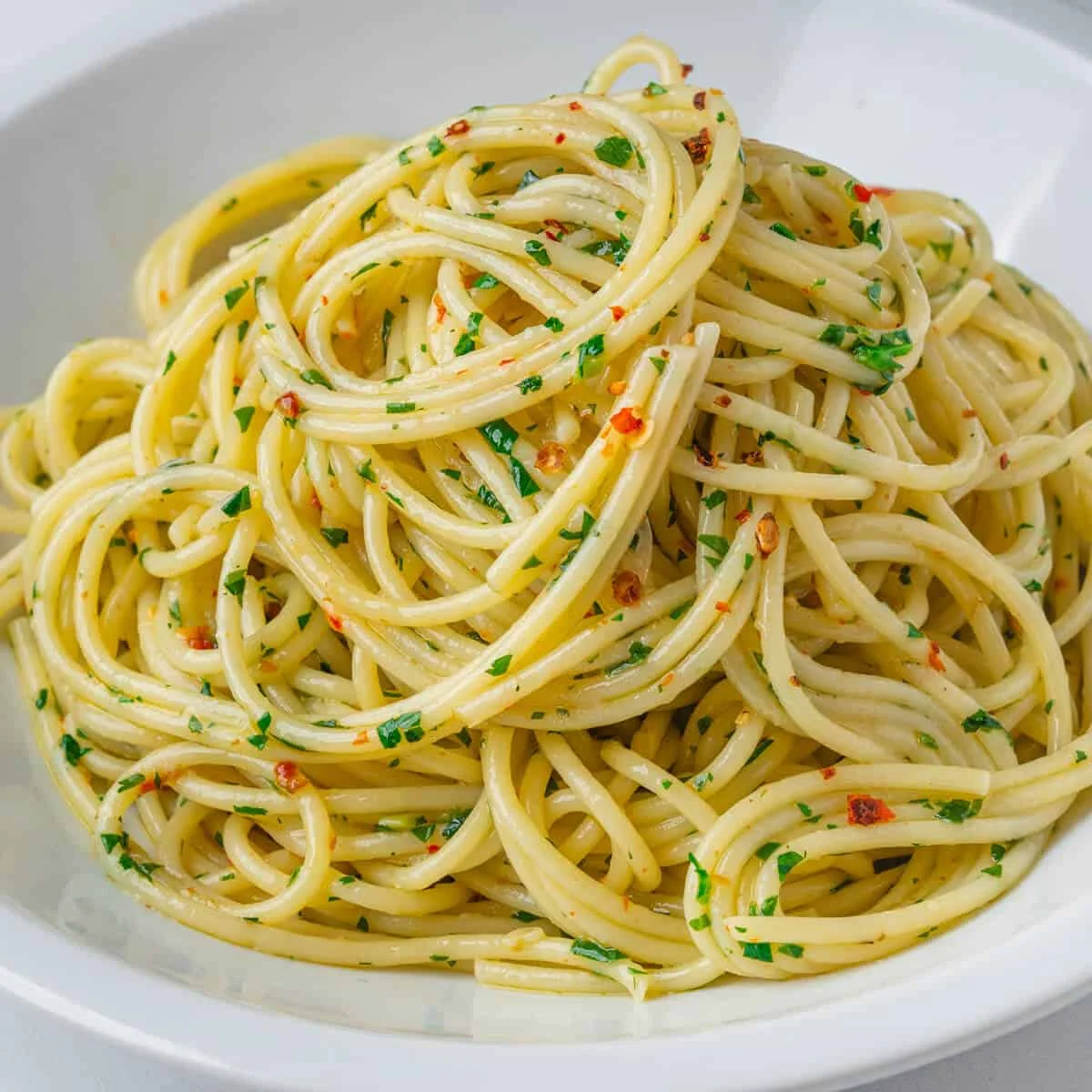
Spaghetti aglio e olio is a quick Italian pasta dish built around garlic, olive oil and chilli. It is ready in about 12 minutes, with a silky sauce made by tossing the pasta with starchy cooking water.
Ingredients
- 160 g (5.5 oz)dried spaghetti
- 3 tablespoonsextra-virgin olive oil
- 2 cloves, or more to tastegarlic
- ¼ teaspoon, or more or less to tastered chilli flakes or fresh red chilli
- 1 handfulfresh parsley leaves
- to tastesalt, for the pasta water
Instructions
- 1
Boil the spaghetti
Bring a large pot of heavily salted water to the boil and cook the spaghetti until it is about 80% done, roughly 2 minutes less than the packet instructions. Reserve some pasta water before draining.
- 2
Prepare the aromatics
While the pasta cooks, thinly slice the garlic cloves and chop the parsley.
- 3
Start the oil
Put the olive oil, sliced garlic and red chilli flakes or fresh chilli in a cold pan. Set it over a low heat.
- 4
Cook the garlic
When the garlic begins to sizzle gently, add the parsley. Cook them together slowly, taking care not to let the garlic burn.
- 5
Add pasta water
Pour a ladleful of pasta cooking water into the pan and stir it into the oil.
- 6
Add the spaghetti
When the spaghetti is nearly cooked but still very al dente, drain it and add it straight to the pan with another splash of pasta water. Turn the heat up to medium.
- 7
Toss and serve
Toss the pasta continuously for 2–3 minutes, adding pasta water gradually if needed, until the sauce emulsifies and turns silky and creamy. Serve, with optional pangrattato breadcrumbs.
What is spaghetti aglio e olio?
Aglio e olio means garlic and oil in Italian, and the dish is a simple pasta classic associated with Naples and the wider Campania region. Its short ingredient list makes it a practical meal when the cupboard is sparse.
This version uses chilli for warmth and parsley for freshness. The key is turning the cooking water and olive oil into a coating sauce rather than leaving them separate.
Nutrition and macros by portion
The nutrition label shows one serving as written: 489 calories, 11g protein, 61g carbs, 22g fat.
| Portion | Adjustment | kcal | Protein | Carbs | Fat |
|---|---|---|---|---|---|
| Lighter | Use less olive oil | 342 kcal | 8g | 43g | 15g |
| This serving | As written | 489 kcal | 11g | 61g | 22g |
| Hungry | Increase the spaghetti portion | 734 kcal | 17g | 92g | 33g |
Most of the carbohydrates come from the spaghetti, while the olive oil supplies most of the fat. The pasta provides some protein; serve a portion with vegetables or a salad to round out the plate.
Choose and prepare the ingredients
Spaghetti: dried pasta is sturdy enough for the final toss in the pan. Cook it just short of done so it can finish in the sauce.
Garlic and chilli: thinly sliced garlic releases flavour into the oil as it warms. Adjust the chilli to suit your preferred heat, and keep the parsley ready to add once the garlic starts sizzling.
Start with a cold pan
Cold oil: putting the oil, garlic and chilli in the pan before heating gives the garlic time to flavour the oil gradually. Keep the heat low and watch for a gentle sizzle rather than browning.
Garlic: burnt garlic can taste bitter, so add the parsley as soon as the slices begin to sizzle. If they colour quickly, lower the heat.
Make the sauce silky
Pasta water: its starch helps the oil and water combine into a sauce that clings to the spaghetti. Reserve it before draining, and add it in small splashes rather than all at once.
Tossing: keep the pasta moving over medium heat for 2–3 minutes. The sauce should look glossy and coat the strands; add another little splash of water if the pan looks dry.
Get the timing right
The pasta cooks in two stages: first in the pot until about 2 minutes short of the packet time, then in the pan for 2–3 minutes. Start preparing the garlic and parsley while the water boils so everything is ready to come together.
Aim for spaghetti that is still very al dente when it enters the pan. It will soften further as you toss it with the hot sauce.
Serving ideas
Serve the spaghetti straight away while the sauce is glossy. Optional pangrattato breadcrumbs add a crisp contrast to the soft pasta.
A simple green salad or cooked vegetables make an easy accompaniment. Keep any sides lightly dressed so they do not compete with the garlic and olive oil.
Recipe notes & tips
- Salt the pasta water well, since the spaghetti absorbs seasoning as it cooks.
- Reserve the pasta water before draining; even a small amount can help bring the sauce together.
- Slice the garlic evenly so the pieces warm at a similar rate.
- Keep the garlic over low heat until it just starts to sizzle.
- Add pasta water in small splashes while tossing, so the sauce does not become watery.
Variations
- More garlic: add extra cloves if you want a stronger garlic flavour.
- Fresh chilli: use sliced fresh red chilli instead of chilli flakes.
- Milder heat: reduce the chilli or leave it out.
- Pangrattato: scatter toasted breadcrumbs over the pasta for an optional crisp topping.
- Herb change: use a little less parsley if you prefer the garlic and oil to stand out more.
Common mistakes to avoid
- Burnt garlic: start it in a cold pan over low heat and add the parsley as soon as it begins to sizzle.
- Fully cooked pasta: drain it about 2 minutes before the packet time so it can finish in the pan.
- No reserved water: scoop some out before draining to help emulsify the sauce.
- Watery sauce: add the cooking water gradually while tossing rather than pouring in too much at once.
- Dry pasta: keep tossing and add another small splash of pasta water if the strands are not coated.
How to store
For the best texture, eat the pasta straight away. Refrigerate leftovers in an airtight container for up to 2 days, then reheat gently in a pan with a splash of water, tossing until hot.
Frequently asked questions
How much garlic should I use?
The recipe uses 2 cloves, with more if you like a stronger garlic flavour. Slice them thinly so they infuse the oil as it warms.
Can I use fresh chilli instead of chilli flakes?
Yes. The recipe allows either red chilli flakes or fresh red chilli; adjust the amount to your preferred heat.
Why should I reserve pasta water?
The starchy water helps the olive oil and water combine into a silky sauce. Add it a little at a time as you toss the spaghetti.
How do I know when the pasta is ready to drain?
Drain it when it is very al dente, about 2 minutes before the packet time. It will finish cooking in the pan.
Can I make this without chilli?
Yes. Reduce the chilli or omit it if you prefer a mild version; the garlic, oil and parsley still flavour the pasta.
Cook it from the original
This recipe comes from cookingwithayeh.com. Their page has the author’s own photos, notes and tips — the best place to cook it from.
Open the recipe on cookingwithayeh.com