
Kani Sushi (Spicy Crab Roll) - Easy Steps
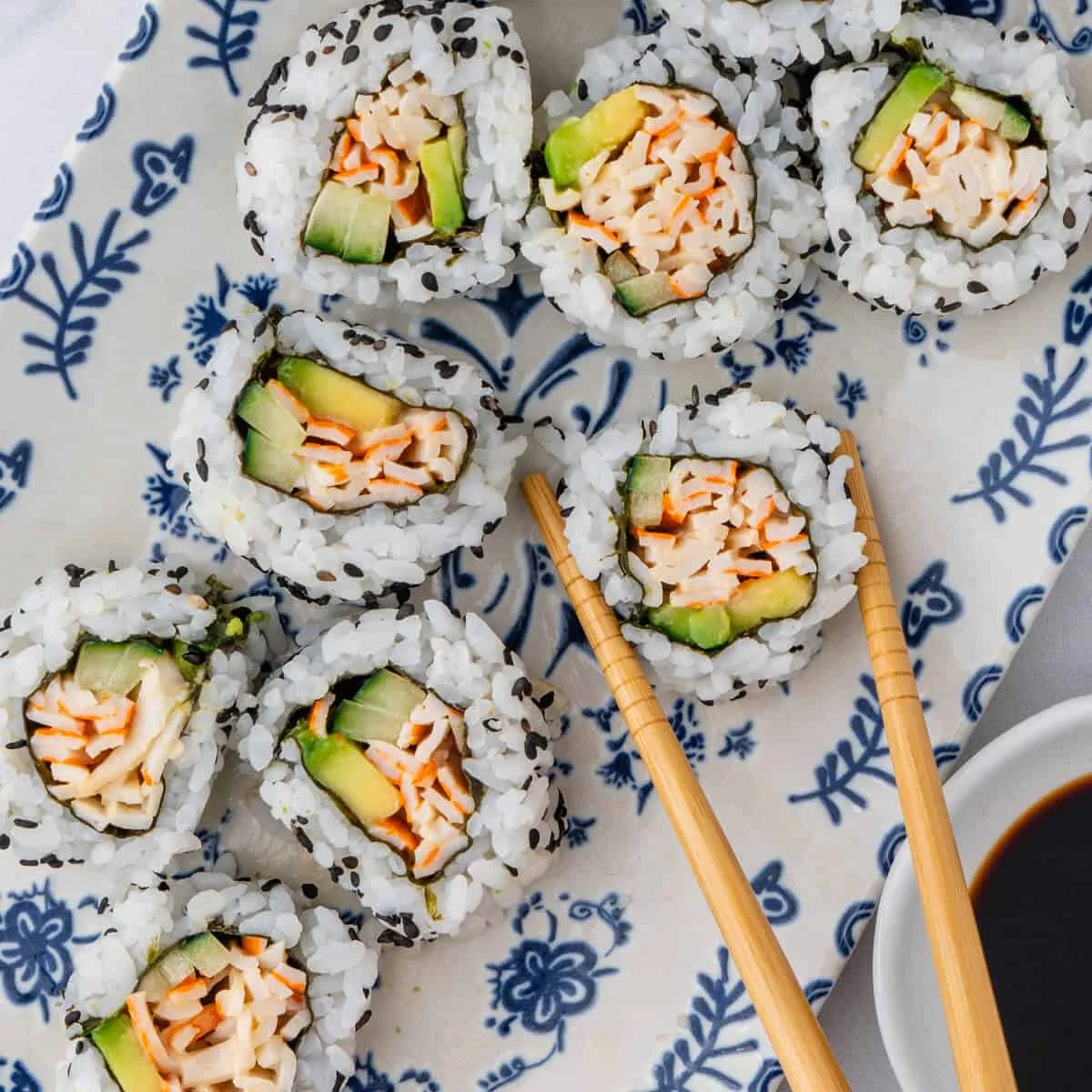
Kani sushi rolls pair spicy, creamy imitation crab with avocado and cucumber, wrapped with seasoned sushi rice and nori. They make a colourful, hands-on choice for a sushi night at home.
Ingredients
- 240 ml (1 cup)Japanese sushi rice
- 30 ml (2 tablespoons)rice vinegar
- 5 ml (1 teaspoon)sugar
- a good pinchsalt
- 180 g (6.5 oz)surimi (imitation crab meat)
- 45 ml (3 tablespoons)Kewpie mayonnaise
- 5–10 ml (1–2 teaspoons)sriracha sauce
- 2nori sheets
- 1/2avocado
- 1/2cucumber
- to tastesesame seeds
Instructions
- 1
Cook the rice
Rinse the sushi rice in a small pot until the water is almost clear. Add 300 ml (1 1/4 cups) water and cook over medium-high heat. When it boils, cover the pot, turn the heat to low and cook for 15–20 minutes, until the water has been absorbed.
- 2
Steam the rice
Take the pot off the heat, keeping the lid on, and let the rice steam for 5–10 minutes.
- 3
Make the seasoning
While the rice cooks, heat the rice vinegar, sugar and salt in a small pot or saucepan for a couple of minutes, until heated through and the sugar has dissolved.
- 4
Season the rice
Transfer the steamed rice to a large bowl and pour over the vinegar mixture. Gently fold and cut through the rice with a wooden paddle or spatula until evenly seasoned; fan it as you work if desired. Avoid overmixing so the rice does not become mushy.
- 5
Prepare the filling
Slice the surimi into thin strips and put it in a bowl. Cut the cucumber and avocado into thin strips.
- 6
Mix the crab
Stir the Kewpie mayonnaise and sriracha into the surimi until coated. Taste and adjust the heat level if needed.
- 7
Set up the mat
Cover a bamboo mat with cling film and have a small bowl of water, a sharp knife and a clean towel ready. Cut a nori sheet in half and place it shiny side down on the mat.
- 8
Spread the rice
With wet hands, spread a thin, even layer of seasoned rice over the nori, leaving a small border along the top edge.
- 9
Turn the nori
For an inside-out uramaki roll, sprinkle sesame seeds over the rice and gently press them in. Flip the nori so the rice faces down on the mat and the nori is on top. Skip this step for a regular kani maki roll with the seaweed on the outside.
- 10
Add the filling
Lay some spicy surimi in a horizontal line across the centre of the nori. Add avocado along one side of the surimi and cucumber strips alongside it, taking care not to overfill.
- 11
Roll the sushi
Lift the edge of the mat nearest you and fold it over the filling, tucking the filling in with your fingertips as you roll forward. Apply gentle, firm pressure to form a cylinder. Moisten the top edge of the nori with wet fingers to seal the roll.
- 12
Shape the roll
Use the mat to tidy the shape and edges, then place the roll on a cutting board.
- 13
Cut into pieces
Wet the sharp knife in the bowl of water and cut the uramaki in half, then cut each half in half again to make 8 pieces. Wipe the knife with the clean towel and wet it before each cut. Repeat with the remaining ingredients.
- 14
Serve the rolls
Arrange the kani sushi on a serving plate and serve with soy sauce for dipping, plus pickled ginger and wasabi as garnishes.
What is kani sushi?
Kani is the Japanese word used for crab, and in this roll it refers to surimi, a prepared imitation crab product. Sushi rolls are a familiar part of Japanese cuisine, with rice, nori and fillings combined in a compact hand-rolled form.
This version brings together creamy, spicy surimi with cool cucumber and avocado. The rice is seasoned with vinegar, sugar and salt, giving the fillings a tangy base.
Nutrition and macros by portion
The nutrition label shows one serving as written: 337 calories, 6g protein, 50g carbs, 12g fat.
| Portion | Adjustment | kcal | Protein | Carbs | Fat |
|---|---|---|---|---|---|
| Lighter | Use less mayonnaise | 236 kcal | 4g | 35g | 8g |
| This serving | As written | 337 kcal | 6g | 50g | 12g |
| Hungry | Make a larger portion | 506 kcal | 9g | 75g | 18g |
The rice supplies most of the carbohydrates, while the mayonnaise and avocado contribute much of the fat. Surimi provides some protein, though this serving is not especially protein-heavy; serve the rolls with an edamame side or another protein-rich dish to make the plate more substantial.
Getting the rice right
Rinsing the rice until the water is nearly clear removes excess surface starch. Once it has absorbed its cooking water, leave it covered to steam before seasoning.
Gentle folding distributes the vinegar mixture without crushing the grains. Fanning while folding can help cool the rice, but avoid stirring it vigorously or it may turn mushy.
The spicy crab filling
Surimi: Slice it into thin strips before mixing so it is easy to distribute in a narrow line inside the roll.
Heat: The recipe uses 1–2 teaspoons of sriracha, so start with the smaller amount if you prefer a milder filling. Mix it through the mayonnaise and surimi, then taste before rolling.
Choose your roll style
Uramaki: For an inside-out roll, spread rice on the nori, add sesame seeds and flip the sheet so the rice faces the mat. Keep the mat covered with cling film to make handling easier.
Kani maki: For a regular roll, leave the nori on the outside and skip the sesame-and-flip step. Both styles use the same filling and rolling method.
Rolling without overfilling
Keep the surimi, avocado and cucumber in a compact line across the centre of the nori. Too much filling makes it harder to tuck the first turn around the ingredients.
Use the mat to guide the roll and apply gentle, steady pressure rather than squeezing hard. A little water on the exposed nori edge helps seal the cylinder.
Cutting and serving
A wet, sharp knife helps slice through the rice and filling cleanly. Wipe it with the towel and wet it again between cuts to keep the pieces neat.
Serve the rolls with soy sauce for dipping, with pickled ginger and wasabi alongside. Their fresh cucumber and creamy avocado also make them a good centrepiece for a wider sushi spread.
Recipe notes & tips
- Keep the rice covered while it steams so it does not dry out.
- Wet your hands before spreading the rice to reduce sticking.
- Leave the small border at the top of the nori clear so you can seal the roll.
- Arrange the filling in a narrow, even line rather than piling it up.
- Use a sharp knife and clean it between cuts for tidier pieces.
Variations
- Adjust the heat: Use 1 teaspoon of sriracha for a milder filling or 2 teaspoons for more spice.
- Make maki: Keep the nori on the outside and skip the sesame-seed flip.
- Add sesame: Sprinkle sesame seeds over the rice before turning it into an uramaki roll.
- Change the garnish: Serve with soy sauce, pickled ginger and wasabi as suggested in the method.
- Cut the vegetables finely: Slice the avocado and cucumber into thin strips so they fit neatly in the roll.
Common mistakes to avoid
- Mushy rice: Fold in the seasoning gently rather than stirring or crushing the grains.
- Rice sticking to your hands: Wet your hands before spreading it over the nori.
- Overfilled rolls: Use a modest line of filling so the mat can tuck the first turn around it.
- Loose roll: Tuck the filling in with your fingertips and use gentle, firm pressure as you roll.
- Ragged slices: Wet the knife before cutting and wipe it clean between slices.
How to store
Refrigerate leftover rolls in an airtight container and eat within 1 day for the best texture. Serve them cold; reheating is not recommended because it can soften the rice and affect the fresh filling.
Frequently asked questions
Can I make these as regular sushi rolls?
Yes. Leave the nori on the outside and skip sprinkling sesame seeds over the rice and flipping the nori.
How spicy is the filling?
It depends on how much sriracha you use. Begin with 1 teaspoon, taste the surimi mixture and add more if you want extra heat.
Why do I need to rinse the sushi rice?
Rinsing until the water is almost clear removes excess surface starch before cooking. This helps you season the cooked rice without overmixing it.
How do I stop the rice sticking to my hands?
Dampen your hands with water before spreading the rice over the nori. Keep the layer thin and even.
How many pieces does each roll make?
Cut each roll in half, then halve each piece again to make 8 pieces.
Can I prepare the rolls ahead?
You can prepare them ahead and keep them covered in the fridge, but the rice and fresh filling are best enjoyed the same day.
Cook it from the original
This recipe comes from cookingwithayeh.com. Their page has the author’s own photos, notes and tips — the best place to cook it from.
Open the recipe on cookingwithayeh.com