
Cold Sesame Noodles
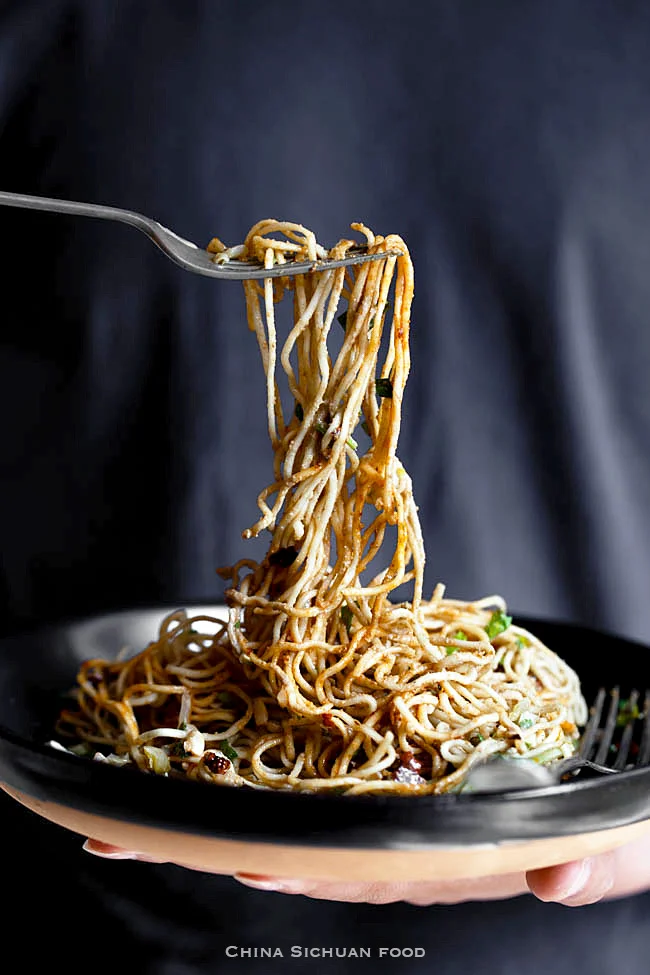
Cold sesame noodles are tossed with a savoury, creamy sesame sauce and finished with Sichuan peppercorn and crunchy toppings. They make a quick meal when you want something bold and satisfying without a long cooking time.
Ingredients
- 500 gfresh noodles
- 3 tbspsesame paste
- 5 tbspcold water
- 1 tbsplight soy sauce
- 1 tspsugar
- 1 tspsalt
- ½ tbspblack vinegar
- 1 tbspsesame oil
- 1 tbsplight soy sauce
- 4 tbspsesame paste (for texture)
- to tastefreshly ground Sichuan peppercorn
- 1 tbspchopped Zha-cai, or crushed peanuts
- ½ tbsphomemade chilli oil
- ½ tbspoil, for tossing the noodles
- a small pinchsalt, for the cooking water
- to tastechopped spring onion
- to tastechopped coriander
- to tastetoasted peanuts
Instructions
- 1
Mix the sauce
Gradually stir light soy sauce, sesame oil, salt and cold water into the sesame paste until combined. Aim for a pourable sauce that is not watery.
- 2
Heat the steamer
Set up a steamer with enough water and bring it to the boil.
- 3
Steam the noodles
Spread the noodles in the steamer and steam for 4–5 minutes. Add a small pinch of salt to the water, then transfer the noodles into it and heat until the water boils again.
- 4
Cool the noodles
Lift out the noodles and immediately toss them with ½ tablespoon of oil to help prevent sticking. Stir and lift them repeatedly with chopsticks to cool them quickly; on a hot day, use an electric fan if needed.
- 5
Assemble each serving
Divide the noodles between 3 servings and mix with the remaining serving ingredients. Garnish with chopped spring onion, coriander, Zha-cai, chilli oil, freshly ground Sichuan peppercorn and toasted peanuts.
What are cold sesame noodles?
Cold sesame noodles are noodles served cool or at room temperature with a savoury sesame-based sauce. Sesame noodles are popular in Chinese cooking, while Sichuan-style versions often bring in chilli oil and the distinctive tingle of Sichuan peppercorn.
This version relies on sesame paste loosened with water and seasonings, then adds crunchy Zha-cai or peanuts for contrast. The quick steaming and cooling method makes it a practical dish for a fast meal.
Nutrition and macros by portion
The nutrition label shows one serving as written: 987 calories, 24g protein, 115g carbs, 49g fat.
| Portion | Adjustment | kcal | Protein | Carbs | Fat |
|---|---|---|---|---|---|
| Lighter | More vegetables, less noodles | 691 kcal | 17g | 81g | 34g |
| This serving | As written | 987 kcal | 24g | 115g | 49g |
| Hungry | Larger noodle portion | 1481 kcal | 36g | 173g | 74g |
The noodles provide most of the carbohydrates, while sesame paste and sesame oil contribute much of the fat; the noodles and sesame paste also supply protein. For a more balanced plate, serve a portion with vegetables such as cucumber or leafy greens.
The sesame sauce
Sesame paste: stir it gradually with the liquids rather than adding everything at once. It can seize and thicken before becoming smooth, so keep mixing until it is pourable.
Seasonings: light soy sauce, black vinegar, sugar and salt bring savoury, tangy and gently sweet notes. The sesame oil adds aroma, while chilli oil can be adjusted at the table.
Cooking the noodles
Steaming: spread the noodles out so steam can reach them evenly, and steam for 4–5 minutes as directed. The following brief boil in the salted water finishes the cooking.
Cooling: toss the noodles with the ½ tablespoon of oil straight away, then lift and separate them with chopsticks. This helps limit clumping as they cool.
Getting the texture right
Sauce: aim for a consistency that coats the noodles without pooling like a thin liquid. If it feels too thick, loosen it with a little cold water.
Toppings: Zha-cai or crushed peanuts add crunch, and toasted peanuts give another nutty note. Add the Sichuan peppercorn freshly ground for its fragrant, tingling character.
Serving and timing
The recipe takes 15 minutes in total, so prepare the sauce while the steamer heats and the noodles cook. Have the garnishes ready before assembling to keep the final step quick.
Serve the noodles as a meal or alongside lightly dressed vegetables. Keep the chilli oil and peppercorn at the table so each person can adjust the heat and tingle.
Choosing the noodles
Fresh noodles are specified here and cook quickly, making them a good match for the short steaming and boiling stages. Separate any tightly packed strands before putting them in the steamer.
Different fresh noodles may vary in thickness, so use the stated cooking time as a guide and check that they are cooked through before cooling.
Recipe notes & tips
- Stir the sesame paste with the liquids gradually to keep the sauce smooth.
- Spread the noodles out in the steamer rather than leaving them in a dense clump.
- Toss the noodles with the oil as soon as they come out of the cooking water.
- Use chopsticks to lift and separate the noodles while they cool.
- Prepare the garnishes before dividing the noodles so assembly stays quick.
Variations
- Extra crunch: use crushed peanuts in place of Zha-cai.
- More tang: add a little extra black vinegar to the sauce.
- Milder finish: drizzle on less chilli oil or leave it at the table.
- More tingle: grind Sichuan peppercorn over each serving just before eating.
- Fresh garnish: add extra spring onion and coriander when assembling.
Common mistakes to avoid
- Thick sauce: add the cold water gradually and keep stirring until it is pourable.
- Clumped noodles: toss them with the oil immediately after lifting them from the water.
- Uneven steaming: spread the noodles out so steam can circulate around them.
- Overcooked noodles: check them after the stated steaming time and avoid leaving them in boiling water longer than needed.
- Flat flavour: taste the sauce before serving and adjust its seasoning with the listed ingredients.
How to store
Store the noodles and sauce separately in airtight containers in the fridge and use within 2 days. The noodles may firm up when chilled; let them come towards room temperature and loosen with a little water before serving. Add the crunchy garnishes just before eating.
Frequently asked questions
Can I make the sauce ahead?
Yes. Mix it ahead and keep it covered in the fridge. Stir it well before serving, adding a little cold water if it has thickened.
Do I serve these noodles hot or cold?
They are intended to be cooled before serving, and are usually served cool or at room temperature.
Can I use dried noodles?
Fresh noodles are specified for this method. If using dried noodles, cook them according to their packet instructions rather than following the steaming time here.
What can I use instead of Zha-cai?
The recipe suggests crushed peanuts for a crunchy alternative. You can also leave the topping out if needed.
How do I stop the noodles sticking together?
Toss them with ½ tablespoon of oil immediately after cooking, then lift and separate them repeatedly with chopsticks as they cool.
How spicy are the noodles?
The chilli oil and Sichuan peppercorn provide heat and a tingling sensation. Add them to taste, or serve them on the side for more control.
Cook it from the original
This recipe comes from chinasichuanfood.com. Their page has the author’s own photos, notes and tips — the best place to cook it from.
Open the recipe on chinasichuanfood.com