
Easy Ginger Scallion Noodles
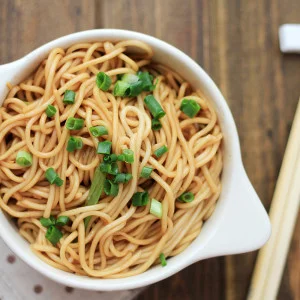
These ginger scallion noodles pair springy noodles with a savoury ginger-soy sauce and fragrant scallion oil. They make a comforting Chinese-inspired meal, with enough sauce and aromatic oil to coat each strand.
Ingredients
- 227 g (or 113 g)fresh noodles (or dried egg noodles)
- 1 rootginger, finely chopped
- 1 teaspoonsoy sauce
- 1 teaspoondark soy sauce
- 1 teaspoonsalt
- 1 tablespoonchopped spring onion
- 1spring onion, shredded (or cucumber or courgette)
- 1 mediumred onion
- 1shallot
- 2spring onions
- 8 clovesgarlic
- 475 mlpeanut oil
Instructions
- 1
Prepare the aromatics
Wash the spring onions and onion, then cut them into sections about 8 cm long. Drain off any water on their surfaces.
- 2
Warm the oil
Heat the oil in a wok for about 30 seconds. When it is warm, add the spring onions and onion, stirring continuously.
- 3
Soften the onions
Once the spring onions and onion have softened, turn the heat down and simmer for about 10 minutes. Toss them from time to time to prevent burning.
- 4
Strain the oil
Strain out the spring onions and onion, keeping the infused oil. Set the oil aside to cool.
- 5
Mix the ginger sauce
Finely chop the ginger and soak it in boiled water. Stir in 1 teaspoon light soy sauce, 1 teaspoon dark soy sauce and 1 teaspoon salt.
- 6
Boil the noodles
Cook the noodles in boiling water for about 5 minutes. Add some shredded spring onion during the final minute.
- 7
Toss with sauce
Add the ginger sauce and about 1/2 tablespoon of the scallion oil, then mix well.
- 8
Finish and serve
Sprinkle the chopped spring onion over the noodles and serve.
What are ginger scallion noodles?
Lo mein is a Chinese noodle dish, commonly served with seasonings and other ingredients tossed through the noodles. This version centres on ginger-soy sauce and oil infused with spring onions and onion.
The method builds flavour in two parts: an aromatic oil and a quick ginger sauce. Tossing both with freshly cooked noodles gives the dish its savoury, fragrant finish.
Nutrition and macros by portion
The nutrition label shows one serving as written: 692 calories, 18g protein, 95g carbs, 26g fat.
| Portion | Adjustment | kcal | Protein | Carbs | Fat |
|---|---|---|---|---|---|
| Lighter | Use less scallion oil | 484 kcal | 13g | 67g | 18g |
| This serving | As written | 692 kcal | 18g | 95g | 26g |
| Hungry | Add another noodle portion | 1038 kcal | 27g | 143g | 39g |
The noodles supply most of the carbohydrates, while the peanut oil is the main source of fat. The noodles also contribute some protein, with soy sauce adding savoury flavour. Balance the plate with a serving of greens or other vegetables alongside the noodles.
Choosing the noodles
Fresh noodles: use 227 g as listed, or choose 113 g dried egg noodles as the alternative. Noodle thickness and brand affect cooking time, so use the package directions as a guide alongside the recipe's approximate 5 minutes.
Spring onion: the recipe uses spring onions both to infuse the oil and as a fresh garnish. Keep the garnish separate so it can be added at the end.
Making the scallion oil
Gentle heat: warm the oil for about 30 seconds before adding the cut spring onions and onion. Stir continuously at first, then lower the heat once they soften and simmer for about 10 minutes.
Watch closely: toss the aromatics from time to time during the simmer. Strain them out and let the oil cool before measuring the amount for the noodles.
Getting the ginger sauce right
Ginger: chop it finely so it can flavour the soaking water and disperse through the sauce. The recipe calls for soaking it in boiled water before adding the soy sauces and salt.
Soy sauce: light soy sauce brings savoury seasoning, while dark soy sauce adds a deeper colour and flavour. Measure both as directed, since the sauce is mixed directly into the noodles.
Checking noodle texture
Doneness: boil the noodles for around 5 minutes, but check them as they cook because fresh and dried noodles can differ. Aim for noodles that are tender but still hold their shape.
Finish: add the shredded spring onion in the final minute of cooking, then drain the noodles well before tossing them with the sauce and oil.
Serving the noodles
Fresh garnish: scatter the chopped spring onion over the noodles just before serving for a crisp, green finish.
On the side: serve with a simple vegetable dish or greens to add contrast to the rich, aromatic oil. The noodles are best eaten soon after tossing, while hot.
Recipe notes & tips
- Dry the spring onions and onion well so water does not splatter when they meet the hot oil.
- Cut the aromatics into similarly sized sections so they soften at a more even pace.
- Keep stirring as the aromatics first cook, then reduce the heat once they begin to soften.
- Check the noodles before the 5-minute mark if they are thin or fresh.
- Drain the noodles thoroughly so the ginger sauce and scallion oil cling to them.
- Measure out about 1/2 tablespoon of the infused oil for the noodle toss.
Variations
- Use dried noodles: substitute 113 g dried egg noodles for the fresh noodles.
- Add cucumber: use shredded cucumber in place of the shredded spring onion garnish.
- Try courgette: shred courgette as the suggested alternative garnish.
- Adjust the ginger: use more or less finely chopped ginger to suit your preference.
- Add greens: serve the noodles with cooked leafy greens for a vegetable accompaniment.
Common mistakes to avoid
- Wet aromatics: surface water can make hot oil splatter, so drain the cut onions well.
- High simmer heat: the aromatics can burn; lower the heat once they soften and toss them occasionally.
- Skipping the strain: remove the cooked spring onions and onion from the infused oil before using it.
- Overcooking the noodles: start checking before 5 minutes, especially when using fresh noodles.
- Too much oil: measure about 1/2 tablespoon for the noodles rather than pouring freely from the batch.
How to store
Refrigerate leftover noodles in an airtight container and eat within 3 days. Reheat gently in a pan or microwave, adding a small splash of water if they seem dry.
Frequently asked questions
Can I use dried noodles?
Yes. The recipe gives 113 g dried egg noodles as an alternative to 227 g fresh noodles. Follow the packet's cooking guidance if it differs from the approximate 5 minutes here.
How much scallion oil goes into the noodles?
The method calls for about 1/2 tablespoon. Strain the infused oil first, then measure the amount you need.
Can I make the scallion oil ahead?
Yes. Strain it after simmering and let it cool before storing it in a clean, sealed container in the fridge. Use it within a few days.
What can I use instead of the shredded spring onion garnish?
The ingredient list suggests shredded cucumber or courgette as alternatives.
Why should I dry the onions before frying?
Drying off surface water helps reduce splattering when the onions are added to warm oil.
Can I prepare the whole dish in advance?
It is best tossed and served soon after cooking. You can prepare the infused oil ahead, then boil and dress the noodles just before eating.
Cook it from the original
This recipe comes from chinasichuanfood.com. Their page has the author’s own photos, notes and tips — the best place to cook it from.
Open the recipe on chinasichuanfood.com